Practical, buyer-focused guidance on finding the best Hyundai for the money—what models offer the strongest value, which model years to watch, how to inspect and test-drive a used Hyundai, and how tools like CARFAX Deals can reduce risk. This in-depth guide blends hands-on buying tips, model-by-model value analysis, negotiation advice, and budgeting strategies to help you find a dependable Hyundai without buyer's remorse.
Carfax coupon codes rarely work, and the codes listed on coupon sites are usually expired. The discounts that do exist are bundles (three reports for $64.99, five for $99.99), AAA member pricing, and free reports from dealers and listings. The simplest guaranteed discount is CarfaxDeals at $7.99 per report versus $44.99 at Carfax.com.
A Carfax VIN lookup takes the 17-character vehicle identification number and returns the car's recorded history: accidents, title brands, odometer readings, owners, and service records. Free VIN tools only decode specs or check recalls and theft. The full Carfax report costs $44.99 on Carfax.com and $7.99 at CarfaxDeals.
You can get a free Carfax report from the Carfax.com used car listings, a dealer website, the seller, Carfax Car Care (for a car you already own), or listing sites that include one. There is no free report for any VIN you type in. When no free report exists, a paid one costs $44.99 at Carfax or $7.99 at CarfaxDeals.
Buying a used Hyundai can be smart and affordable when you match the right model to your needs and verify the car’s history. This guide explains how to identify the best Hyundai for the money, step-by-step inspection tips, negotiation strategies, and how tools like CARFAX Deals fit naturally into a low-risk buying process.
1. The Hyundai Elantra and Tucson consistently offer the strongest value across price, maintenance costs, and resale potential.
2. A professional pre-purchase inspection typically costs a fraction of an unexpected major repair and often pays for itself in peace of mind.
3. CARFAX Deals pairs verified vehicle history reports with pricing labels—useful data: CARFAX’s database includes billions of records to help buyers assess risk quickly.
What is the best Hyundai for the money?
If you’re asking what is the best Hyundai for the money, you’re not alone—Hyundai has built a reputation for offering reliable cars with generous warranties and strong value. In this guide we’ll walk through which Hyundai models typically give the biggest bang for your buck, how to evaluate a used Hyundai the smart way, and practical steps to make a confident purchase.
Why a careful, model-focused approach matters
Hyundai vehicles can be excellent value, but the answer to what is the best Hyundai for the money depends on priorities: fuel economy, low ownership cost, safety features, or cargo space. Buying a used Hyundai is smart when you combine a sensible model choice with a solid inspection and history check. That combination reduces the chance of regret and keeps running costs predictable.
How we define "best for the money"
When we ask what is the best Hyundai for the money, we mean the car that offers the most useful mix of purchase price, expected reliability, running costs, and resale value. That includes:
Strong reliability and known longevity
Affordable parts and service
Good fuel efficiency or low depreciation
Safety features that matter for daily life
With those standards, certain Hyundai models repeatedly appear as top candidates. For additional model rankings see 5 Best Hyundai Models to Buy in 2020.
Top Hyundai models that deliver real value
1) Hyundai Elantra — compact, efficient, and affordable
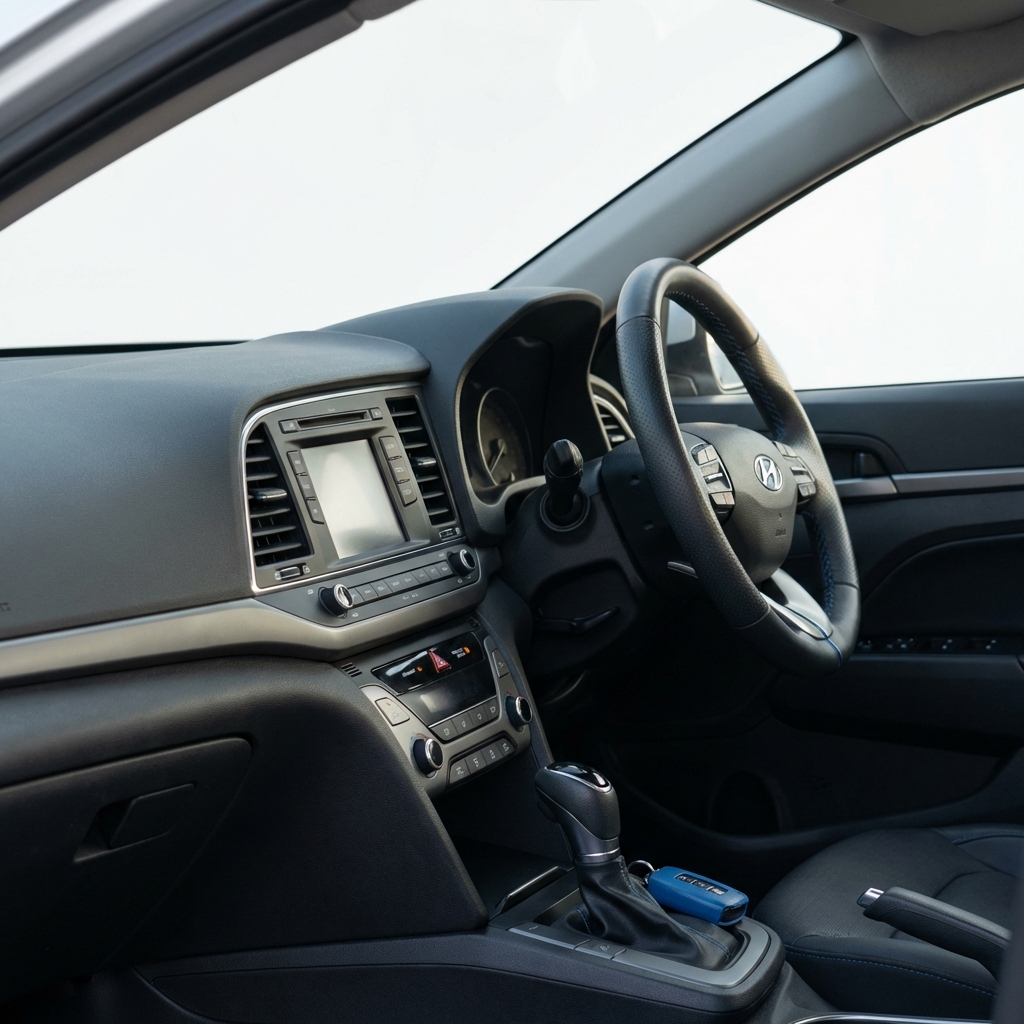
The Elantra often answers the question what is the best Hyundai for the money for budget-minded buyers. It’s a compact sedan that balances fuel economy, lower maintenance costs, and modern safety features—especially in recent model years. Older Elantras with a documented service history can be excellent used-car buys because they’re inexpensive to maintain and have parts that are widely available. For recent model research see Hyundai model research and reviews.
2) Hyundai Sonata — mid-size comfort at a reasonable cost
If you want more space and a smoother ride, the Sonata is frequently proposed when people wonder what is the best Hyundai for the money for families. Mid-size sedans like the Sonata often hold their value well and deliver comfortable daily driving with good safety ratings in recent trims.
3) Hyundai Kona and Venue — small crossovers that punch above their weight
Small crossovers like the Kona and Venue are top answers to what is the best Hyundai for the money if you want higher seating, easier parking, and efficient engines. They’re a good value when you want practical cargo flexibility without heavy fuel costs.
4) Hyundai Tucson — the sweet spot for SUV value
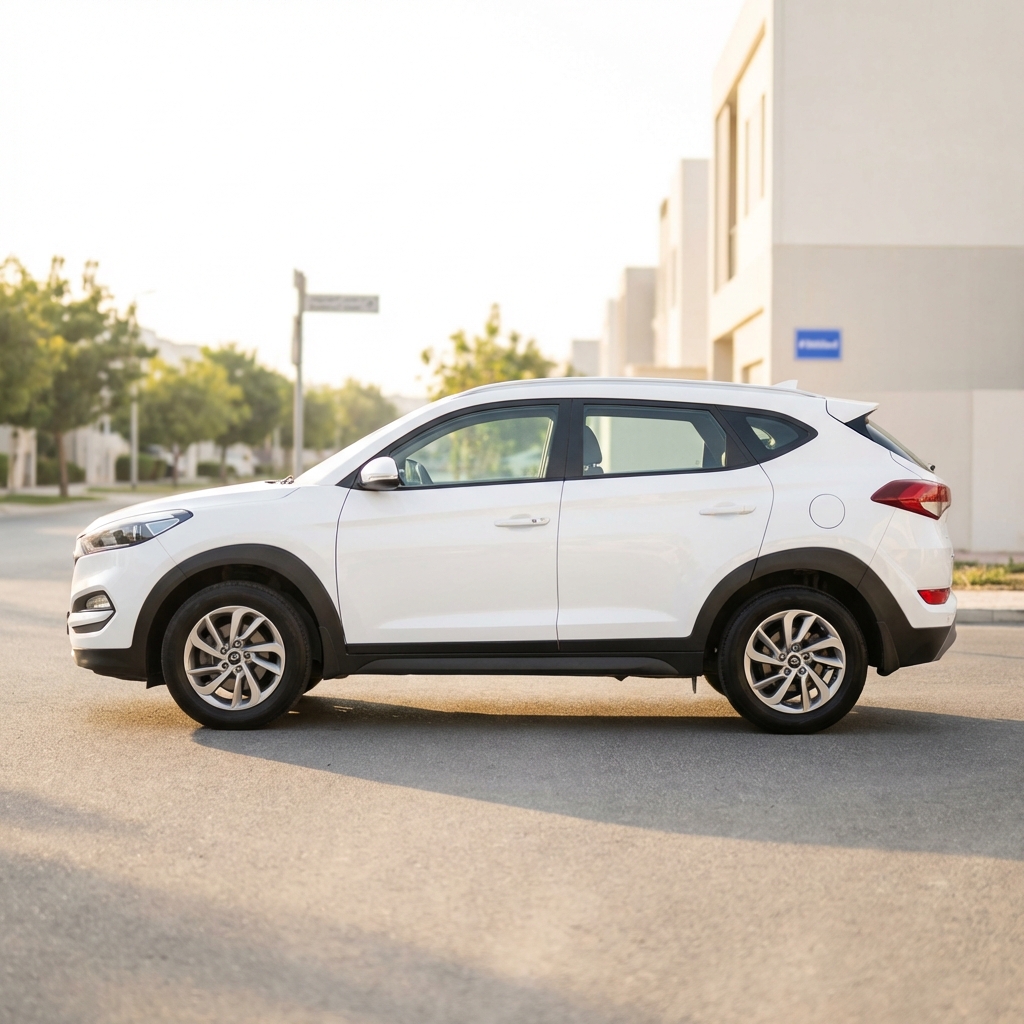
For many buyers the Tucson answers what is the best Hyundai for the money when an SUV is essential. It’s sized for families, reasonably priced on the used market, and parts/service costs are usually affordable. Look for well-maintained examples; they tend to be durable and comfortable long-term.
5) Hyundai Palisade — value-minded three-row SUV
If you need three rows, the Palisade often wins the title of best Hyundai for the money among larger families who want modern safety tech and roomy interiors. While pricier than compact models, used Palisades can still be good value if you plan to keep the vehicle for several years.
Picking the right model year and trim
Model year matters. When evaluating what is the best Hyundai for the money, newer model years tend to have more advanced safety features and longer remaining life, but they command higher prices. Older models can be bargains—especially when well cared for—but watch for known problem years or costly options (like complex turbocharged engines) that can increase maintenance bills.
Trim levels matter too. Some safety features are only available at higher trims, which might be important if you plan to keep the car long-term. For pure value, well-equipped mid-level trims often provide the best balance between convenience and cost.
How to search for used Hyundais and what to trust
When asking what is the best Hyundai for the money, begin on the right platforms like CARFAX used Hyundai listings or other aggregators that pair listings with verified history reports and price context. They help you filter for clean titles, single-owner cars, or recent service history—attributes that often point to better-value buys. A CarFax Deals screenshot can help you compare listings at a glance.
Run a CARFAX report on any Hyundai you’re considering and use CARFAX Deals to compare pricing and history details—this is a practical step many buyers skip at their peril. CARFAX Deals highlights vehicles with transparent histories and helpful price labels so you can quickly find Hyundais that are legitimately good values.
Where to look
Search multiple sources: dealer lots (including certified pre-owned), private sellers, and vetted marketplaces. Each has pros and cons. Dealers may offer limited warranties; private sellers often price lower. Always verify title status and service records—these facts answer the real question behind what is the best Hyundai for the money.
Photos reveal care. Clear interior and exterior shots suggest a seller who takes pride in the vehicle. For Hyundais, check the engine bay for obvious signs of neglect, look for uneven tire wear, and inspect wheel arches for rust (especially in older regional examples).
First impressions from listings: what to watch for in photos and descriptions
Descriptions that list recent maintenance—timing belt or chain work, major fluid changes, or new brakes—are strong signals. If the ad avoids basic facts or hides the VIN, treat that as a red flag. Good listings help answer the question: what is the best Hyundai for the money in practical terms, not just marketing language.
What to ask the seller about a Hyundai
Ask straightforward questions: ownership history, reason for selling, maintenance records, accident history, and any recurring problems. For turbocharged Hyundai engines or earlier model years, ask specifically about timing chain or belt maintenance and any known transmission service.
Setting up a viewing and test drive for a Hyundai
Arrange a daytime meeting. Bring a friend and your driver’s license. Plan a 20–30 minute test drive covering city streets, a highway stretch, and some turns to test steering and stability. Try to duplicate your regular driving patterns—commute roads if that’s your use case.
A simple visual inspection you can do yourself
Open the hood and look for leaks, frayed belts, or signs of poor repair. Check oil color, coolant condition, and battery terminals. For Hyundais, be alert for oil sludge in older engines or coolant staining that may indicate head gasket concerns. Check tires for even wear and undercarriage for rust or fresh paint that hides collision damage.
When to call a mechanic for a pre-purchase inspection
If the Hyundai passes your basic checks and you like the drive, schedule a professional pre-purchase inspection. A mechanic will check engine compression, transmission health, suspension components, and electronics—areas that are hard to test during a short drive. The inspection cost is small compared with the peace of mind it buys and helps you decide if a Hyundai is truly the best Hyundai for the money for your needs.
Red flags that should make you walk away
Significant frame or structural damage, flood signs (musty odor, water stains), a salvage or rebuilt title, or mismatched paint panels are deal-breakers. For Hyundais, also watch for recurring transmission issues on certain older models and repeated check-engine lights tied to costly repairs.
Negotiation tips specific to Hyundais
Negotiate with facts: inspection findings, comparable local prices, and any upcoming service needs. If a Hyundai needs new tires, brake work, or timing maintenance soon, factor these costs into your offer. Maintain a respectful tone; the aim is a fair deal, not a dramatic haggle.
Financing, warranties, and fine print
Compare loan offers and check whether a Hyundai qualifies for certified pre-owned coverage. Dealer warranties add peace of mind but raise upfront cost. Verify the title, VIN, and any existing liens before signing. If buying privately, use secure payment and follow your state’s DMV transfer process.
Budgeting beyond the purchase price
A realistic budget includes fuel, insurance, scheduled maintenance, and a repair cushion. Hyundais generally have competitive parts pricing, but turbocharged trims or rare features can increase cost. Keep maintenance records to preserve resale value and catch deterioration early.
Mileage, age, and the maintenance story
High mileage isn’t always bad—well-maintained Hyundai engines can reach high mileages reliably. Focus on service records and the type of miles driven. A 120,000-mile Hyundai that was highway-driven and regularly serviced can beat a lower-mileage car with spotty maintenance.
Common myths and practical truths about buying Hyundais
Myth: "A single owner always means better condition." Truth: it depends on care. Myth: "Newer always equals trouble-free." Truth: more tech can mean higher repair costs. Use history reports and inspections to sort myth from fact when deciding what is the best Hyundai for the money.
Small repairs to budget for
Brake pads, rotors, sensors, and tires are normal wear items. For some Hyundai models, expect to budget for items like battery replacement, brake fluid, and brake rotors within the first few years of ownership. Ask mechanics for realistic timelines so you can negotiate a price that reflects upcoming maintenance.
When a model has costly, frequent failures
Some models or powertrains have known pain points. Research owner forums and professional reliability data. If a Hyundai generation is known for expensive failures, use that information to answer the practical side of what is the best Hyundai for the money—sometimes avoiding a problematic year is the best value move.
Paperwork and handover day
On the sale day, confirm the title is signed correctly, the VIN matches documents, and the odometer reading is accurate. If emissions or safety inspections are required in your state, define responsibility. Switch insurance and registration promptly after purchase.
Certified pre-owned Hyundais: when they make sense
Certified pre-owned Hyundais can be a solid middle ground, offering manufacturer warranties and inspections at a higher price. Consider CPO if you value reduced risk and plan to keep the car several years—sometimes paying a bit more early avoids surprises later.
Using online tools like CARFAX Deals wisely
Vehicle history reports and marketplace labels are powerful when used as part of a process. They’re not magic, but they highlight issues and reveal whether a car is fairly priced. CARFAX Deals stands out because it pairs verified reports with pricing context—helpful when you ask what is the best Hyundai for the money and want to compare apples to apples. Learn more about how to use the tools at https://carfaxdeals.com/how-to-use.
Find Hyundais with verified history and fair pricing
Always check for open recalls and whether recall repairs were completed. Newer Hyundais often include advanced safety tech that improves daily driving. Decide whether those features are worth incremental cost versus simpler trims with proven mechanical resilience.
Real buyer stories that teach useful lessons
Stories matter. One buyer chose a recent Elantra with a full service history and saved on fuel and repairs for years. Another skipped an inspection and later found costly drivetrain damage. These examples show the value of patience and verification when choosing what is the best Hyundai for the money.
Prioritize maintenance history: a higher-mileage Hyundai with complete service records and mostly highway miles can be a better value than a low-mileage car that was neglected. Focus on documented care, inspection results, and the vehicle’s recent repair history.
The short answer: prioritize maintenance history. A low-mileage Hyundai with gaps in care can cost more in the long run than a higher-mileage vehicle with meticulous service records.
Test drive for at least 20 minutes including highway use
Get a professional pre-purchase inspection
Verify title, VIN, and service receipts
Negotiate based on factual repair estimates
How to prioritize features for value
Decide which features you truly need. A strong answer to what is the best Hyundai for the money balances price with essentials: safety features, fuel efficiency, and reliable engine/transmission combos.
Where Hyundais shine compared to other brands
Hyundai often beats competitors on warranty length, value per dollar, and modern features for the price. When you compare marketplaces, CarFax Deals gives clearer signals about history and pricing than many general classifieds—helpful when choosing the best Hyundai for your budget.
Resale value and long-term ownership
Some Hyundais keep value better than others. Maintain records and treat the vehicle well—this pays off when you sell. The model you choose should align with how long you plan to own the car: pick a reliable, affordable-to-fix model if you’ll keep it many years.
Closing thoughts: answering the question plainly
So, what is the best Hyundai for the money? For many buyers the Hyundai Elantra and Tucson often represent the best balance of purchase price, reliability, and running costs—small sedans or compact SUVs with solid service histories tend to deliver the most consistent value. But the ultimate answer depends on your needs: commute length, family size, and how long you’ll keep the car.
If you combine a smart model choice with a verified history and a mechanic’s inspection, you dramatically increase the odds that the Hyundai you choose will be the best Hyundai for the money for your life.
Next steps
Use this guide as a checklist. Narrow models by need, run history reports, schedule inspections, and negotiate with the facts. A careful approach transforms a used car purchase from a roulette spin into a predictable, manageable decision.
Good luck on your search—and may your next Hyundai give you long, reliable miles without surprises.
The Hyundai Elantra often ranks as one of the best Hyundais for the money because it balances purchase price, fuel efficiency, and low maintenance costs—especially in well-maintained, recent model years. However, 'best' depends on your needs: if you need more space, the Tucson or Sonata may be better value for you.
Vehicle history reports are invaluable for spotting serious issues like salvage titles, odometer discrepancies, or reported accidents, but they don’t replace an in-person inspection and a mechanic’s pre-purchase check. Use reports from trusted providers like CARFAX via CARFAX Deals as part of your decision process.
A certified pre-owned Hyundai makes sense if you value warranty coverage and reduced risk and plan to keep the car for several years. CPO cars cost more upfront but can save money and stress later by covering major repairs and including thorough inspections.
In short: choose the Hyundai that fits your routine, verify its history, and get an inspection—do that and you’ll likely have found the best Hyundai for the money; happy, safe driving and enjoy the ride!

 Blog
Blog