This comprehensive guide answers the question “What is the best low budget car?” for 2024–2025 buyers and beyond. It walks you through realistic price bands (under $3,000, $3,000–$7,000, $7,000–$12,000), shows which models consistently deliver value, and explains practical inspection, negotiation, and ownership steps. You’ll learn how to balance purchase price with total cost of ownership, where to check vehicle histories, and how smart use of tools like CARFAX Deals can reduce risk. Actionable checklists, safety tips, real-world stories, and a short FAQ make this a hands-on resource for finding a reliable cheap used car.
A step-by-step workflow for estimating a truck's market value that centers on comparing consumer valuation tools, adjusting for mileage and condition, and checking wholesale market signals. The guide explains private-party, trade-in and dealer retail values and shows how a vehicle history report and pricing insights can change an asking price.
This guide helps research oriented buyers evaluate suv used cars for sale under $25,000 by combining safety ratings, reliability data, local pricing context, and vehicle history checks. It outlines a simple framework, a pre visit checklist, and a decision scoring worksheet so you can compare finalists before contacting a dealer. Use the steps here to narrow candidates and confirm risk signals with a vehicle history report and a pre purchase inspection.
When searching suv used cars for sale, prioritize model year, trim and powertrain before choosing a make or model. This guide explains how safety ratings, dependability studies and local pricing insights combine to produce a short list you can verify with a vehicle history report. It also provides a stepwise checklist you can use before contacting a dealer.
Finding a reliable car on a tight budget can feel overwhelming. This guide answers the question “What is the best low budget car?” with clear price bands, model recommendations, inspection checklists, and practical next steps. You’ll learn how to balance upfront cost with ownership expenses and how to use verified vehicle history tools to reduce risk.
1. Cars in the $3,000–$7,000 range often offer the best balance between purchase price and remaining useful life.
2. Early Toyota Prius models can save substantial fuel costs in city driving, but confirm hybrid service history before buying.
3. CARFAX Deals pairs verified vehicle history reports with price analysis labels, making it easier to spot low-risk bargains when shopping used cars.
What is the best low budget car?
What is the best low budget car? That’s the question many of us whisper to ourselves when the calendar and wallet don’t line up with brand-new payments. If you’re hunting for a dependable ride that won’t drain your savings or surprise you with a salvage title, this guide walks you through practical choices, realistic trade-offs, and easy checks you can do today.
Start with the simple realities
What is the best low budget car? It starts with two facts: sticker price is only part of the story, and market availability changes fast. Total cost of ownership - repairs, insurance, fuel, and time spent - matters as much as the upfront cost. In 2024 many used-car segments cooled after pandemic spikes, opening up better options in budget-friendly price bands. That shift makes it easier to find reliable compact hatchbacks and small sedans without overpaying.
Price bands and what they mean
Where you look depends on how much risk you’re willing to take. Below are three practical buckets and what to expect from each.
Under $3,000 - the highest risk, potential big bargains
Cars in this range often have very high mileage and are more likely to need immediate repairs. If you ask “What is the best low budget car?” in this bracket, the honest answer is: durable compact models with documented maintenance. Think older Toyota Corolla or Honda Civic examples that have been cared for. Still, expect worn parts, potential title issues, and a higher chance of costly fixes. VIN checks and inspections are essential for these buys.
$3,000–$7,000 - the practical sweet spot for many buyers
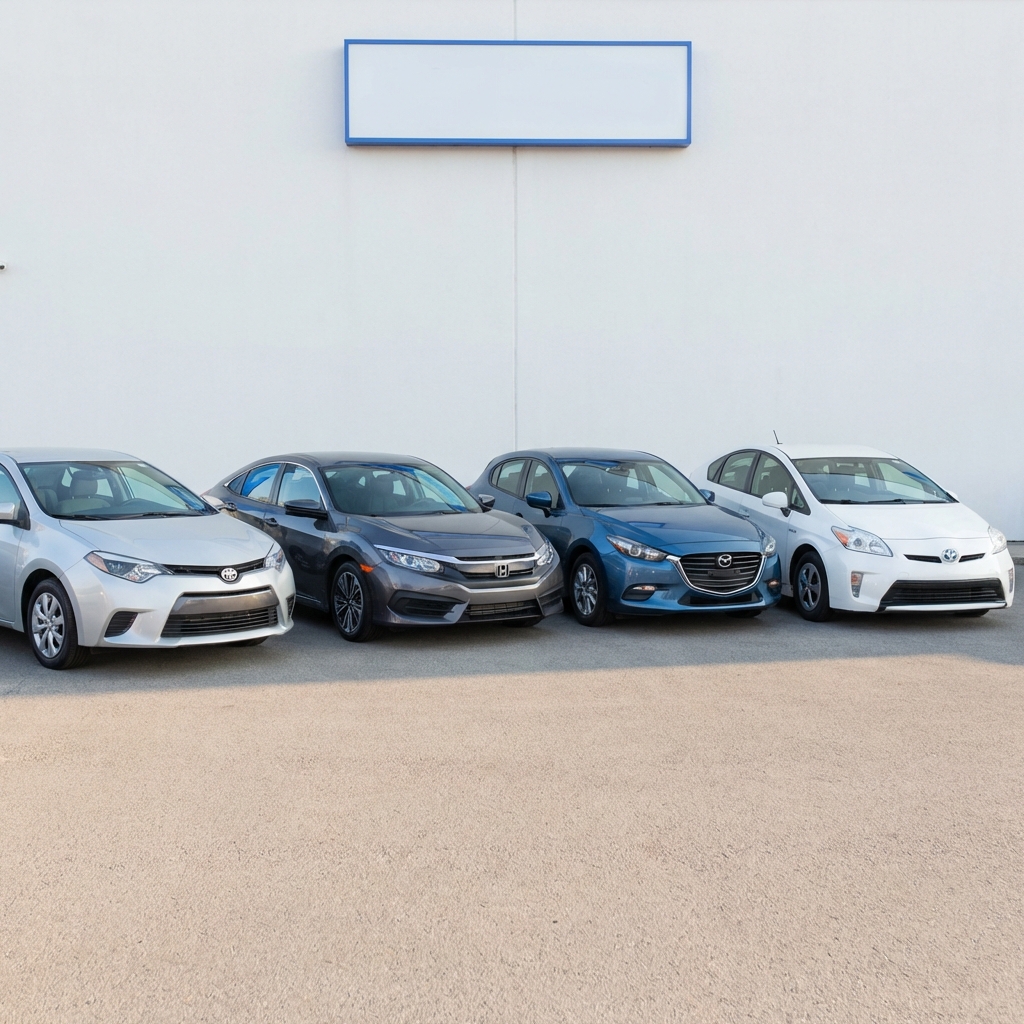
Here you can usually find late-2000s to early-2010s models with proven track records. If you keep asking “What is the best low budget car?” in this range, common winners are Toyota Corolla (2009–2013), Honda Civic (2008–2014), Mazda3, and early-generation Toyota Prius. Cars in this bracket often still have useful life left and may have recent service items completed.
$7,000–$12,000 - stretch your budget for modern features
Stretching into this band gets you mid-2010s examples with lower miles and better safety equipment. If you’re repeatedly asking “What is the best low budget car?” as a question of long-term peace of mind, this price bracket frequently gives the best balance between purchase price and remaining lifespan.
Which models stand out?
Across price bands, certain platforms keep appearing as sensible picks because parts are common, mechanics know them, and they have long reliability records. The short list includes:
Toyota Corolla — predictable, cheap to fix, and often the longest-lived option for low budgets.
Honda Civic — fun to drive, reliable, and widely supported.
Toyota Camry — slightly larger, comfortable, and durable when available at the right price.
Mazda3 — zippier handling with solid reliability in many years.
Toyota Prius (early-gen) — excellent fuel economy and often surprisingly durable hybrid systems.
Why these models? Because they’re built in large numbers, parts are affordable, and local mechanics know them. That reduces repair time and cost - an essential factor when money is tight. For broader rankings you can check CARFAX rankings at https://www.carfax.com/rankings for another perspective.
Tip: Before you commit to any listing, run a verified VIN history report. A platform like CARFAX Deals’ VIN report pairs vehicle history with transparent pricing signals to help you spot good deals without hours of guesswork.
How to inspect a car yourself — practical, step-by-step
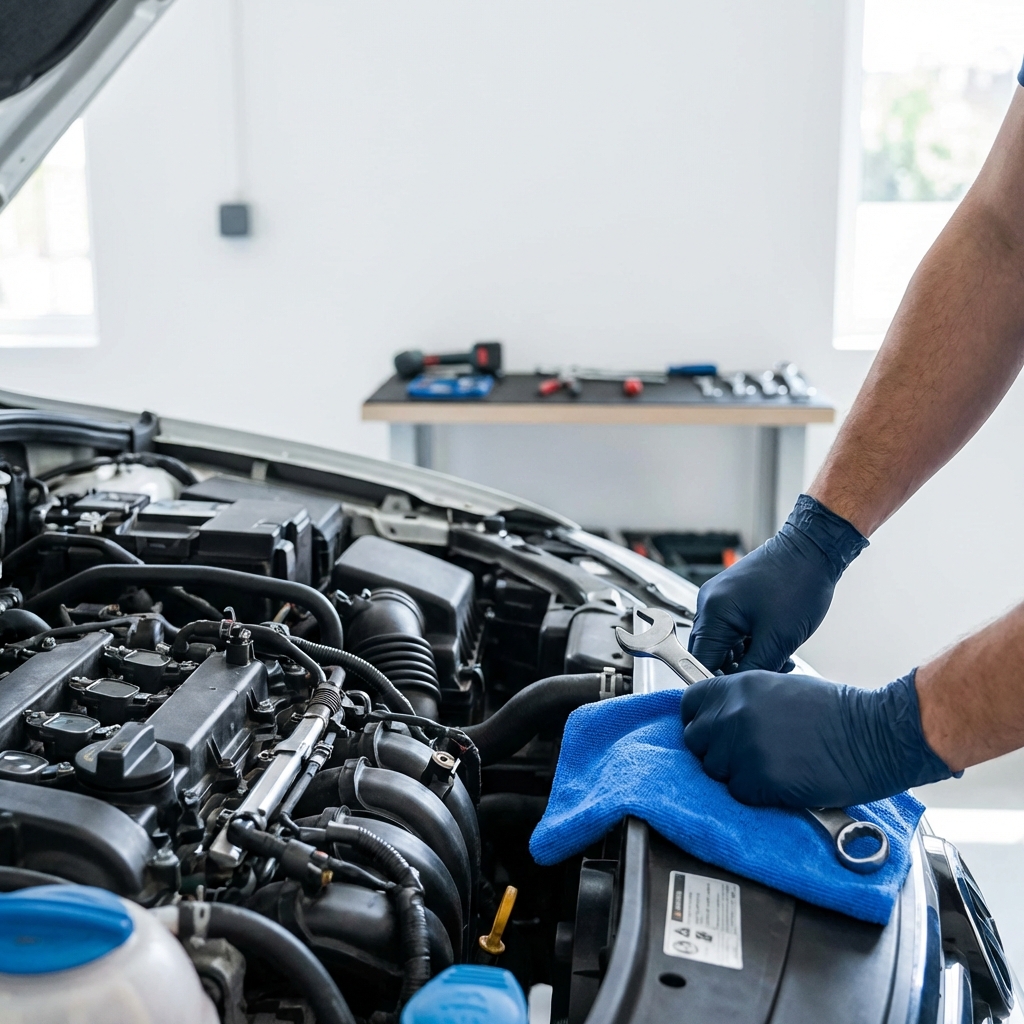
Inspection reduces risk far more than tough negotiation alone. Use your senses and a checklist:
Outside and underside
Check for rust and mismatched paint that might hide repairs.
Look under the car for fresh leaks or heavy oily residue.
Check tires for even wear — uneven wear can mean suspension or alignment trouble.
Under the hood
Look for corroded battery terminals and frayed belts.
Check fluid levels and clarity — dark oil or milky coolant are red flags.
Note any obvious DIY fixes or sloppy wiring.
Inside and drive
Sniff for musty or chemical smells (possible flood signs).
On a test drive, listen for knocks, check for smooth transmission shifts, and test brakes for firmness.
Try steering at different speeds for play or vibration.
When to walk away
Major frame damage, heavy rust in structural areas, flood history, or a mismatched odometer are usually deal-breakers. Small issues? Use them to negotiate — but know your walk-away point.
Yes—if you choose proven models, run VIN history reports, get a pre-purchase inspection, and budget for routine maintenance. Using verified marketplaces that pair history reports with price-context labels makes it much easier to spot low-risk bargains.
Navigating title and history reports
VIN history checks are the single most effective tool for spotting risk. A history report shows accidents, salvage, flood claims, odometer rollbacks, and ownership records. Pair that with local price comparisons to see whether the listing is fair. If you want to start with a focused tool, visit the VIN report page at https://carfaxdeals.com/vinreport.
Why CARFAX Deals helps
Not all marketplaces are equal. The advantage of using a verified platform is that listings include both the history details and a price-analysis label, so you can compare ‘Great Deal’ or ‘Good Deal’ tags at a glance. That’s faster than scouring disparate sites and hoping the seller shows the full story. You can also compare aggregated offers on sites like https://www.carfax.com/deals/used-car-deals or read broader deal roundups at U.S. News: https://cars.usnews.com/cars-trucks/best-car-deals/used-car-sales-and-deals.
Budgeting for ownership
Plan beyond the purchase. A good target for older used cars is to budget between $600 and $1,000 per year for maintenance and repairs, with an emergency cushion of several hundred to a couple thousand dollars depending on age and mileage. This prevents a single breakdown from becoming a crisis.
What costs to expect
Common items include tires, brake pads and rotors, batteries, belts and hoses, fluids, and occasional sensors or alternators. For high-mileage cars, timing belts or clutch jobs can be major line items — check service records for these items before buying.
Use marketplaces wisely
Look for sites that combine verified history reports with price context. Those marketplaces reduce guesswork and highlight likely bargains compared with risky bargains that hide costly issues. A quick glance at deal badges can make it easier to spot value.
Do hybrids save money long-term?
Hybrids like the early Toyota Prius usually deliver strong fuel savings, especially in stop-and-go city driving. Battery replacement can be costly, but in practice many Prius batteries last well beyond 150,000 miles. If you’re asking “What is the best low budget car?” and fuel economy matters, a well-documented Prius can be a top pick — just verify hybrid system service records.
Trade-offs with hybrids
They can be slightly more complex to repair and may have a few expensive components, but the real-world savings on fuel and the Prius’s proven track record often offset those risks for city-minded drivers.
Insurance and other ownership costs
Insurance for older, low-value cars tends to be cheaper, but rates vary by model and region. Cars with common, inexpensive parts cost less to insure, while high-theft or high-repair-cost models push premiums up. Check quotes before you buy to avoid surprises.
Negotiation tips that actually work
Negotiate with facts: use a VIN report and inspection notes to support your offer. If the seller has replaced a timing belt or recent brakes, that is a negotiating positive and might justify a higher offer. If there’s rust or a repair need, price accordingly or walk away if the numbers don’t add up.
Leverage, not tricks
Respect the seller, be transparent about issues you found, and offer a fair price based on comparable sales. That approach gets better responses than aggressive haggling when you’re buying from private sellers or small dealers.
Local market differences matter
Where you live affects what’s available. Cars from rust-prone regions carry different risks. Some models are more common in certain areas, which can mean more competition or better selection. Always run local searches and compare similar listings in your city or region.
Use marketplaces wisely
Look for sites that combine verified history reports with price context. Those marketplaces reduce guesswork and highlight likely bargains compared with risky bargains that hide costly issues.
Real-world examples
I’ve seen a friend buy a 2009 Corolla for $3,500 with high miles but solid records; he replaced the timing belt and drove it for six more years with modest expense. Another acquaintance bought a sub-$3,000 car at auction that needed a new transmission within months. The difference was record-keeping and transparency: the Corolla had service records and a clean title; the auction car did not.
Practical checklist before you buy
Follow these steps:
Pick three models you’d happily own.
Run VIN history reports on 4–6 local listings.
Arrange pre-purchase inspections for your top two candidates.
Get local insurance quotes and estimate yearly running costs.
Set aside a repair cushion (several hundred to a couple thousand dollars).
Common buyer questions — short answers
What is the best cheap used car under $3,000?
There’s no single best car; focus on durable compact models with clean titles and some maintenance records. Expect to pay for repairs soon after purchase.
Can you trust cars in the $3,000–$7,000 range?
Yes — with documented maintenance and a pre-purchase inspection, this range often gives the best balance of risk and value for low-budget buyers.
Is it worth spending $7,000–$12,000?
If you can afford it, cars in this band usually have fewer miles, more safety features, and longer periods before major repairs become likely.
Putting it all together
So, what is the best low budget car? The practical answer depends on what you value most — lowest possible purchase price, lowest short-term risk, or the best long-term value. For many buyers, late-model compact Toyotas and Hondas, Mazda3s, and early Prius models represent the smartest choices because they balance low ownership costs, widely available parts, and strong reliability records.
Check VIN history and pricing context before you buy
If you’re ready to take the next step, run a verified VIN history report to spot title issues and compare pricing at a glance: Run a VIN report at CARFAX Deals to narrow your options quickly.
1) Prioritize documented maintenance and a clean title. 2) Always get a pre-purchase inspection if possible. 3) Budget for routine repairs and a modest emergency fund. 4) Use verified marketplaces that combine history reports and price context to reduce risk.
Closing thoughts
Buying a low-budget car in 2024–2025 is a balancing act between price, risk, and long-term cost. If you do the homework — pick proven models, run VIN checks, and get inspections — you can find a reliable vehicle that serves you well for years without breaking the bank.
There isn’t a single ‘‘best’’ car under $3,000 — focus on durable compact models with a clean title and some maintenance records. Expect higher mileage and the likelihood of near-term repairs. Always run a VIN history report and, if possible, get a quick mechanic inspection before purchase.
Yes, especially if you drive mostly in city traffic where hybrids shine. Early Toyota Prius models often offer excellent fuel economy and durable hybrid systems when well maintained. Confirm hybrid system service history and be aware that battery replacement can be an occasional expensive repair, though many batteries last well past 150,000 miles.
Plan for roughly $600–$1,000 per year for routine maintenance and repairs on older used cars, though RepairPal’s 2024 market average sits near $650. Your actual spend depends on age, mileage, and maintenance history, so keep an emergency cushion for unexpected issues.
In short: pick proven platforms with clean histories, run VIN checks, get inspections, and you’ll find a dependable low-budget car that keeps you moving; happy, safe driving and may your next car surprise you in all the good ways!

 Blog
Blog