A practical, step-by-step guide that shows exactly what not to tell a used car dealer, why certain phrases cost you money, and what to say instead. Learn how to protect your leverage, avoid the monthly-payment trap, use VIN and vehicle history to negotiate smarter, and handle common dealer tactics. Includes scripts, a checklist, a recommended tool to run vehicle history reports, and clear next steps to buy a used car with confidence.
A step-by-step workflow for estimating a truck's market value that centers on comparing consumer valuation tools, adjusting for mileage and condition, and checking wholesale market signals. The guide explains private-party, trade-in and dealer retail values and shows how a vehicle history report and pricing insights can change an asking price.
This guide helps research oriented buyers evaluate suv used cars for sale under $25,000 by combining safety ratings, reliability data, local pricing context, and vehicle history checks. It outlines a simple framework, a pre visit checklist, and a decision scoring worksheet so you can compare finalists before contacting a dealer. Use the steps here to narrow candidates and confirm risk signals with a vehicle history report and a pre purchase inspection.
When searching suv used cars for sale, prioritize model year, trim and powertrain before choosing a make or model. This guide explains how safety ratings, dependability studies and local pricing insights combine to produce a short list you can verify with a vehicle history report. It also provides a stepwise checklist you can use before contacting a dealer.
A focused guide to what not to say to a used car dealer, why certain phrases cost you money, and clear alternatives you can use at the lot. This piece gives scripts, a negotiation flow, and a pre-deal checklist so you can keep leverage and buy with confidence.
1. Ask for the out-the-door price first — this single sentence can prevent hidden fees and stop the monthly payment trap.
2. Separate price, trade-in, and financing; negotiating them one at a time prevents dealers from shifting costs between categories.
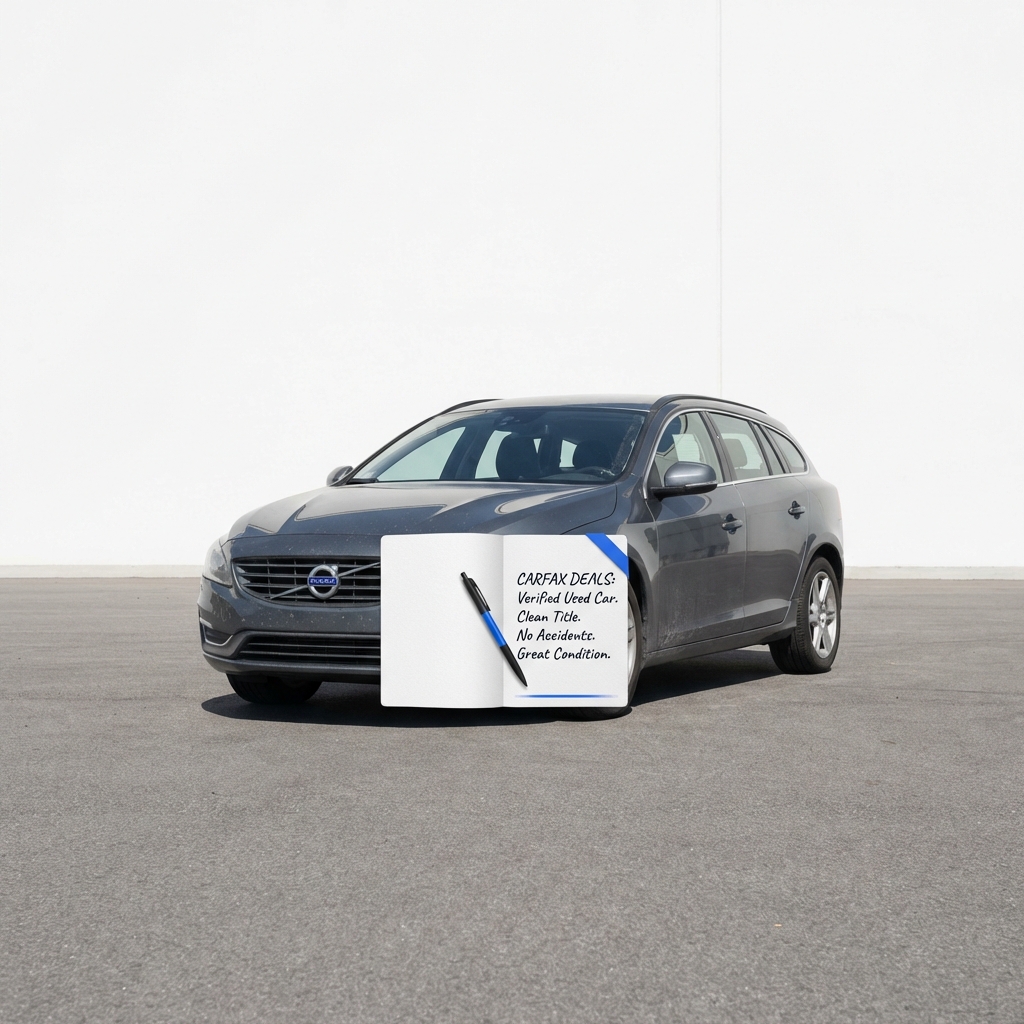
3. CARFAX’s vehicle history database contains over 30 billion vehicle records — using verified history through CarFax Deals helps buyers spot value-impacting issues before visiting a dealer.
What not to tell a used car dealer?
Buying a used car can trigger a mix of excitement and nerves. Right at the start - before numbers, signatures, or test drives - the words you choose shape the deal. This article focuses on what not to tell a used car dealer, practical alternatives, and a clear negotiation flow that protects your wallet.
Simple idea: keep anchors to yourself, insist on the total “out-the-door” price, and separate price, trade-in, and financing into distinct steps.
Why your words matter (anchoring, framing and the payment illusion)
Humans latch onto the first number they hear. That psychological phenomenon - anchoring - gives the other side a reference point they will use to structure offers. Say your monthly budget or your top price too early and a dealer can wrap fees, longer terms, or worse financing around that anchor. See practical steps at How to Negotiate a Car's Price in 4 Steps.
Framing is the same trick wearing a different suit. Frame the conversation around monthly payments and the math hides the total. Stretch a loan term to lower the monthly number and the dealer can increase overall interest. That low monthly number can feel like a win while it quietly costs you more in the long run.
When you prepare to look at cars, use neutral, research-first services to get the facts. For example, consider running a vehicle history report and checking market pricing before you go in. If you want a quick, trusted step to reduce risk, try running a report with CARFAX Deals — it pairs verified vehicle history data with pricing context so you arrive informed and in control: run a vehicle history report.
Personal details also shift power. Tell a dealer you need a car this week, or that you must trade in your vehicle, and you remove the uncertainty that works in your favor. Keep deadlines and bottom lines to yourself until the proper time.
Ask, “What is your best out-the-door price on this vehicle?” — it forces a total-dollar response and prevents the conversation from being steered toward monthly payments or hidden fees.
Common things you should never say — and why
Below are the specific lines that routinely hand leverage to the salesperson, followed by plain alternatives that keep you in the driver’s seat.
1) “I can only pay $X per month” or “My budget is $Y”
Why it hurts: Those are anchors. The dealer will design a deal that hits the headline number while adding fees or extending the loan term.
What to say instead: “What’s your best out-the-door price on this vehicle?” or “I’m looking in this general price range.” Keep numbers vague until you have the full, written total.
2) “I need this car by Friday”
Why it hurts: Deadlines signal urgency and make you easier to sell to. They reduce your willingness to shop around or to walk away.
What to say instead: “I’m comparing a few options and will decide after I review the numbers.” If you do have a time constraint, make contingency plans like a rental so you don’t give the dealer leverage.
3) “Dealer X quoted me $Z”
Why it hurts: Quoting another dealer sets a target and lets the salesperson match the headline while changing hidden variables like fees or rate.
What to say instead: “What is your best out-the-door offer?” Ask for a full money sheet so you can compare totals, not headlines.
4) “My trade-in needs $X in repairs”
Why it hurts: Revealing weaknesses in your trade-in can lead the dealer to lower its value while compensating on the purchase price in ways that favor their margin.
What to say instead: Keep trade-in details private. Negotiate vehicle price first; then ask for a separate trade-in offer backed by written numbers.
5) “I was pre-approved at X%”
Why it hurts: Sharing your pre-approved rate broadcasts a ceiling that dealers can use to limit concessions or to add products that recover margin.
What to say instead: Have a pre-approval, but don’t reveal the rate until you’re actively negotiating financing. Ask the dealer to show APRs and amortization schedules in writing.
Scripts that preserve flexibility
Short, neutral lines keep you cooperative but guarded. Use them to steer the conversation where it belongs: the total cost.
Use these:
• “What is your best out-the-door price on this vehicle?”
• “I’m evaluating a few cars in this range. What can you do for the total price?”
• “I have financing lined up. I want to agree the vehicle price before we talk trade-in or financing.”
• “Can I see the full fee breakdown in writing before we sign?”
Roleplay example
Salesperson: “What’s your monthly budget?”
You: “I’m focusing on total price. What’s your best out-the-door number for this car?”
Salesperson: “We can do $X a month.”
You (firm, friendly): “Thanks, but I don’t want to talk payments yet. Please give the out-the-door price.”
That short exchange forces the salesperson to either give a clear total or show their hand on tactics.
A step-by-step negotiation flow that works
Follow this order at the dealership: 1) vehicle price, 2) trade-in, 3) financing, 4) add-ons and fees. The sequence matters because it stops dealers from shifting dollars between categories.
Step 1 — Price first
Ask for the best out-the-door price and let the salesperson state a number for the vehicle price. If they pivot to monthly payments, reset the convo. Pause when you get a number and ask for a full written quote that includes the VIN and every fee.
Step 2 — Trade-in second
Once the vehicle price is fixed, bring up your trade-in. By then the dealer can’t hide margin in the trade-in without making the math obvious. Still, get an independent estimate and compare it to the dealer’s offer.
Step 3 — Financing third
Only after price and trade-in are set should you discuss financing. Ask to see the APR, term, monthly payment, and a full amortization schedule. Compare the dealer’s offer to your pre-approval carefully.
Step 4 — Add-ons last
Extended warranties, VIN etching, paint protection — they can be legitimate, but they must be priced and considered separately. Ask for written costs and walk away if the numbers aren’t clear.
Practical pre-deal checklist
Before you visit, do this quiet work. It prevents surprises and preserves your leverage.
Checklist:
• Know the vehicle: year, make, model, trim and VIN. Use the VIN to pull a history report (see the VIN report).
• Run a vehicle history report and review accident, title and odometer records. For practical negotiation tips see How to Negotiate the Best Car Price.
• Get pre-approved (or know lender rates). Don’t show your pre-approved rate too early.
• Get an independent estimate for your trade-in.
• Arrange for a pre-purchase inspection or have a mechanic in mind.
• Leave time to walk away if the deal isn’t right.
Why the VIN and vehicle history are key now
Market shifts and higher financing costs have made dealers more creative: smaller sticker markups, but extra margin in interest and fees. That makes vehicle history and transparency more important than ever.
A clear VIN and a trustworthy report reveal accident repairs, salvage titles, odometer issues, or service gaps. That information is negotiation fuel: blemishes lower value; clean histories support asking prices.
The monthly-payment trap tempts buyers with the illusion of affordability. Focus first on out-the-door price. Then, when comparing loans, pay attention to APR and total interest. Ask for an amortization schedule to see how much interest you’ll pay overall.
Be wary of add-ons rolled into monthly payments. If the dealer bundles gap insurance, extended warranty, or other coverage, ask for separate pricing and consider buying them after the sale if you want them.
Questions to ask about financing
• What is the APR and the term?
• Can I see the full amortization schedule?
• Are add-ons included in the loan or optional?
• Can you show the loan in writing now?
Common dealer tactics and how to respond
Dealers use predictable tactics to move the conversation away from total price. Here’s how to respond calmly and effectively.
Tactic: “We need your trade-in to give the price.”
Response: “I’d prefer to agree on the vehicle price first. Can you give me a best out-the-door price without the trade?”
Tactic: “This offer is only good today.”
Response: “I appreciate that, but I need time to review numbers. I’ll decide once I see the full written quote.”
Tactic: “Let me check with my manager.”
Response: “Please bring a written money sheet showing VIN and fees when you return.”
When to walk away — and how walking away wins
If a dealer refuses VIN access, declines to put numbers in writing, or pressures you to sign immediately, walk away. Walking away is not defeat. It’s one of the strongest negotiating tools you have - and it signals you won’t be hustled into an unfavorable deal.
When you leave, you keep the option to buy later or to find a better car elsewhere. Most good vehicles reappear elsewhere; a dealer’s deadline is often a sales tactic, not a market reality.
Scripts for real conversations
Here are longer, practical scripts for the most common moments.
Opening the conversation
“Hi — I’m looking at this vehicle. What’s your best out-the-door price, including all fees and the VIN?”
When they ask about monthly payments
“I’m focusing on total price first. Once we agree on that, I’ll consider financing or a monthly number.”
If they bring up trade-in early
“Thanks — I’ll share trade-in details after we settle on the vehicle price. Can you give your best price without the trade?”
Real-world examples and small wins that add up
Example A: You’re quoted $350 a month and you stop there. A sales rep offers a 72-month loan that hides $3,000 of interest and a dealer fee rolled into the loan. You leave the payment conversation, insist on out-the-door price, and cut the total by $2,000. That’s the difference.
Example B: The VIN shows a prior accident. You ask for a lower price and the dealer drops the asking price by $1,200 to reflect repair history. A small check saved you thousands later.
Negotiation timeline and realistic expectations
Plan for a two-stage timeline: research before you go (hours to a few days), negotiation at the lot (1–3 hours), and final paperwork (often the same day if the numbers are clean). Expect pushback, expect pauses, and expect to walk away if the math changes.
How much time should you spend researching?
At least an hour per seriously considered vehicle: VIN check, pricing comparison, and a quick mechanic referral. If possible, have a pre-purchase inspection scheduled before the final offer.
Why CarFax Deals is a helpful ally
When you’re trying to avoid costly surprises, a reliable view of the car’s past matters. CarFax Deals pairs verified vehicle history with transparent pricing signals so you can compare apples to apples. Use a report to ask pointed questions and to support a lower offer when needed. Compared to generic listings without history, this approach reduces risk and speeds confident decisions. See our pricing or learn how to use the service for best results.
Checklist to print or save
1) VIN and run a vehicle history report. 2) Pre-approval or lender rates on hand. 3) Independent trade-in estimate. 4) Mechanic or inspection scheduled. 5) Time to walk away. 6) Scripts saved on your phone.
FAQs — short answers you can use at the lot
Is it rude to ask for an out-the-door price? No. It’s a fair request and helps you and the dealer get to the real number quickly.
What if the dealer refuses to share the VIN? Treat it as a red flag. Walk away — transparency is the baseline of trust.
Should I accept dealer financing if it’s slightly better than my pre-approval? Maybe. Ask for the full loan schedule, compare APR and total interest, and be wary of products rolled into the loan.
Final tips — small habits that protect dollars
• Take pictures of every written quote. A written piece of paper is harder to change than a memory.
• Read every line of the contract. Small fees can add up.
• Bring a friend. A second set of eyes reduces stress and rush decisions.
Wrap-up
Buying a used car doesn’t have to be a minefield. Keep anchors to yourself, insist on the out-the-door price, check the VIN and vehicle history, and separate price from trade-in and financing. Walk away when things feel unclear and use trusted tools — like a verified vehicle history report — to shop with confidence.
Get the vehicle history and price context you need
If you’re ready for a practical next step, run a vehicle history report and get pricing context so you walk into the dealership prepared: Check this vehicle’s history and pricing
Negotiation is not about tricks; it’s about preserving options. Keep your cards to yourself until it’s time to lay them on the table - and make sure everything on that table is written down and easy to read.
No. Asking for the out-the-door price first is a fair, practical request. It avoids confusion about monthly payments and keeps both parties focused on the total cost. It’s a professional way to ensure transparency.
Have a pre-approval but don’t reveal the rate early in the negotiation. Use your pre-approval as a safety net when discussing financing, and ask the dealer for written APR and amortization before comparing offers.
Run a verified vehicle history report before visiting a dealer. Services like CARFAX Deals pair verified history with pricing context so you can spot issues and judge whether a listing is a good deal. This preparation gives you leverage and reduces surprises.
In short: keep anchors and personal deadlines to yourself, insist on the out-the-door price, check the VIN, and separate price from trade-in and financing — then walk away if the numbers aren’t clear. Happy, confident car hunting — and may your next test drive end with a great deal (and a good cup of coffee).

 Blog
Blog