A clear, data-informed look at which Chevrolet models keep their value over five years — from the Silverado and Tahoe to the Corvette — plus practical buying and selling steps that boost resale. Learn which Chevy models typically retain 50–70% of MSRP, how factors like trim, mileage, and region change outcomes, why full‑size trucks and SUVs often lead the pack, and how verified history reports (like those available through CARFAX Deals) remove guesswork when comparing listings.
A step-by-step workflow for estimating a truck's market value that centers on comparing consumer valuation tools, adjusting for mileage and condition, and checking wholesale market signals. The guide explains private-party, trade-in and dealer retail values and shows how a vehicle history report and pricing insights can change an asking price.
This guide helps research oriented buyers evaluate suv used cars for sale under $25,000 by combining safety ratings, reliability data, local pricing context, and vehicle history checks. It outlines a simple framework, a pre visit checklist, and a decision scoring worksheet so you can compare finalists before contacting a dealer. Use the steps here to narrow candidates and confirm risk signals with a vehicle history report and a pre purchase inspection.
When searching suv used cars for sale, prioritize model year, trim and powertrain before choosing a make or model. This guide explains how safety ratings, dependability studies and local pricing insights combine to produce a short list you can verify with a vehicle history report. It also provides a stepwise checklist you can use before contacting a dealer.
Which Chevrolet car holds its value best? This guide breaks down the Chevrolet models that tend to retain the most value over five years, why they do, and practical, region‑sensitive steps buyers and sellers can take to protect resale. Read on for model highlights, actionable checklists, and tips for using verified vehicle history and market pricing to reduce guesswork.
1. The Chevrolet Silverado 1500 and full‑size SUVs like the Tahoe commonly retain between 50–70% of their MSRP after five years when well maintained.
2. Low mileage, popular trims, and a complete service history are the single most effective ways to preserve resale value.
3. CARFAX Deals pairs verified vehicle histories with price context, helping buyers spot fair deals and reducing the risk of overpaying—an evidence‑backed approach trusted by data‑driven shoppers.
Which Chevrolet car holds its value best? A practical guide to resale and why it matters
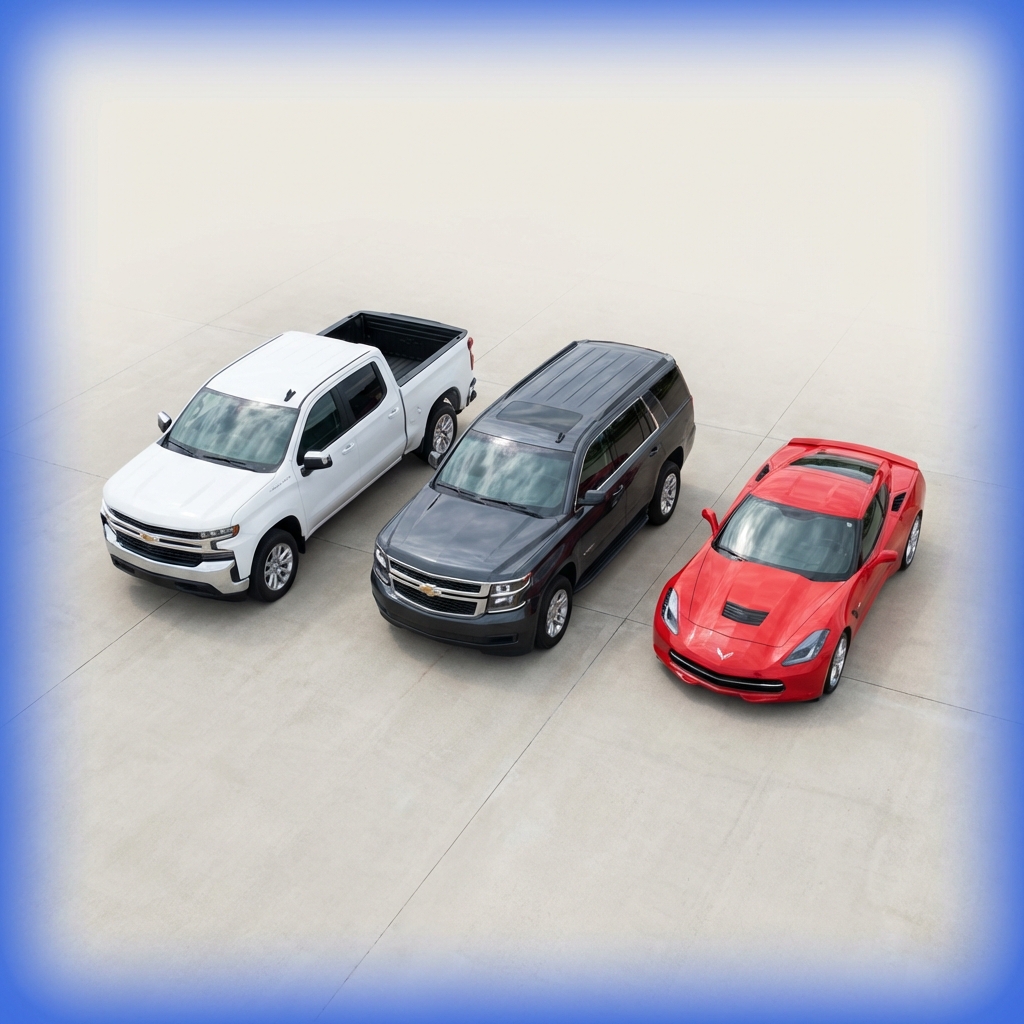
Not every Chevy holds its value the same way. Some models, most notably the Silverado, Corvette, Tahoe, and Suburban, regularly land near the top of Chevrolet’s resale rankings. But beyond model names, value comes from a few simple truths: usefulness, documented care, and configurations that appeal to the widest pool of buyers.
Which Chevrolet car holds its value best? If you want a short answer: full-size pickups (Silverado 1500) and full-size SUVs (Tahoe, Suburban) usually do best among mainstream Chevrolets, while select performance cars like the Corvette can outperform as collector and enthusiast markets remain strong. That pattern is visible across valuation services and dealer transaction trends, including industry lists like Kelley Blue Book's Best Resale Value Awards.
Understanding why a specific Chevrolet retains value helps you buy smarter and sell with confidence. This guide walks through the data trends, the drivers of value, hands-on buyer and seller tactics, and how to use verified vehicle history and market pricing to remove guesswork.
Tip: When you want to compare a listing with clear evidence — service history, title events, and price context — try running a verified report through CARFAX Deals' run report. It’s a quick way to reduce uncertainty and see how a specific vehicle stacks up locally.
How to read this piece: I’ll list the Chevrolet models that typically hold value best, explain what drives those results, and give concrete, region-sensitive recommendations for buyers and sellers who want to protect value.
Start by matching the vehicle to your region and likely future buyers: prefer widely demanded bodies (crew‑cab trucks, full‑size SUVs), popular trims and neutral colors, and keep meticulous service records. Limit avoidable miles and use verified vehicle history and local price comparisons to pick a fair deal—these habits preserve optionality and resale.
Which Chevy models tend to hold value — and why
Across dataset summaries from recent market snapshots, three groups of Chevrolets consistently show stronger five-year retention: full-size pickups, selected performance cars, and full-size SUVs.
1. Full-size pickups: the Silverado 1500
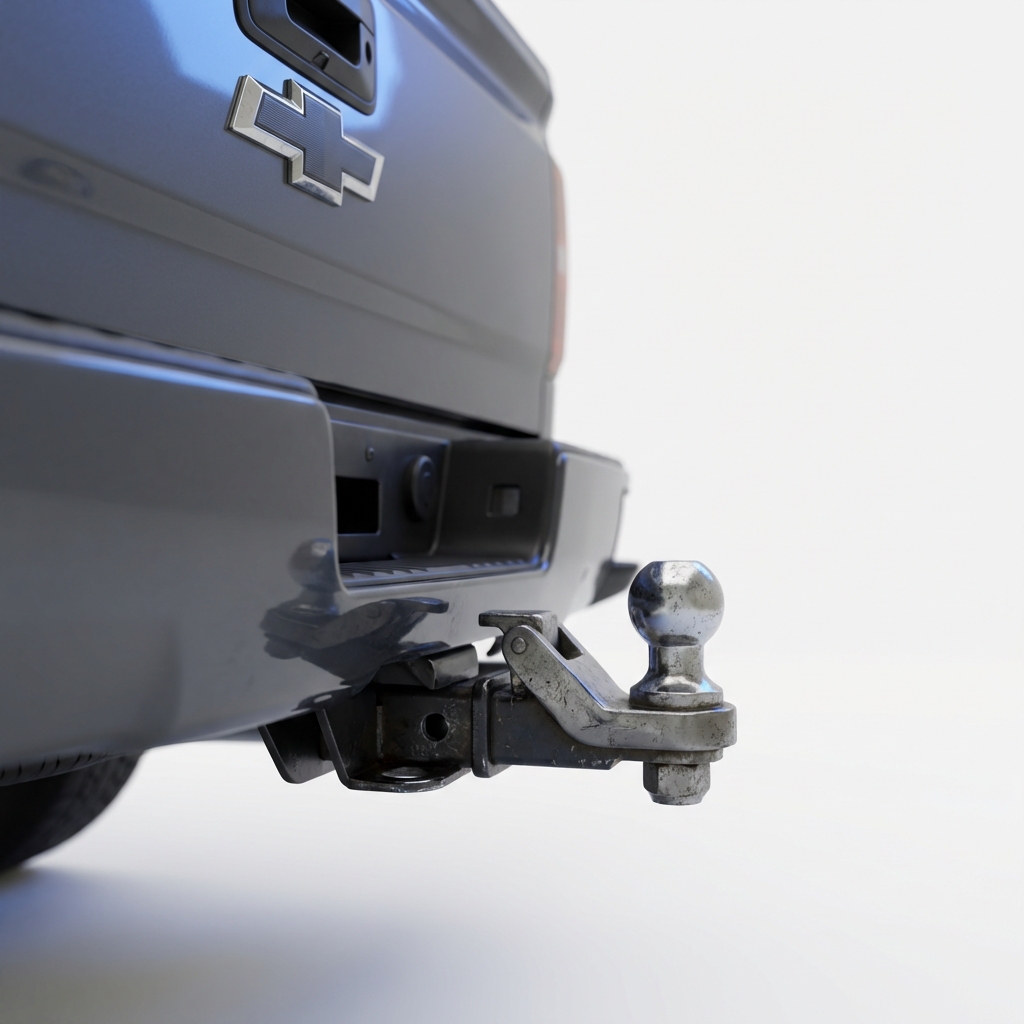
Full-size pickups remain workhorses. The Chevrolet Silverado 1500 stands out because it blends reliable powertrains, common configurations (crew cab, V8 or popular turbo V6), and practical packages like tow and bed options. Buyers who need a truck prioritize reliability and known components - and that steady demand supports resale.
Typical five-year retention for well-configured Silverados often sits in the 50–70% of MSRP band when the truck is cared for and not excessively modified.
2. Full-size SUVs: Tahoe and Suburban
Tahoe and Suburban buyers are often families, shuttle operators, or fleet managers who want lots of passenger and cargo space on a rugged platform. That clearly defined use case keeps demand stable: these SUVs are easy to value because they solve a specific problem for many buyers.
3. Performance: Corvette (and a cautious look at the Camaro)
The Corvette benefits from an active enthusiast and collector base that values low mileage and preserved condition. Limited trims, low production runs, and the right option combos push values higher. The Camaro can also hold value - but it’s usually more volatile: mileage, trim, and how common a given configuration is will swing its resale more dramatically.
How much value are we talking about?
As a practical rule of thumb, the better-performing Chevrolets tend to retain roughly 50–70% of MSRP after five years. Many mainstream small crossovers and economy models land closer to 40–55%. These are averages; the range reflects differences in trim, region, maintenance, and usage. For broader market context see summaries like MarketWatch's five-year resale roundup and brand-specific resale data like ISeeCars' Chevrolet resale analysis.
Remember: averages are a starting point. A low-mileage, well-documented Silverado in a truck-heavy region may outperform the 70% edge, while a high-mileage small Chevy in a crowded coastal market may fall below the mid-40s.
What actually drives resale value?
Some factors are obvious; others matter more than owners expect. Here’s the short list, and why each one changes what buyers will pay:
Trim and option mix
Popular trims and useful options (crew cab, common engine choices, tow package, four-wheel drive in cold regions) widen the buyer pool. Niche appearance packages narrow buyer interest and typically reduce liquidity.
Mileage and documented maintenance
Lower mileage signals more remaining life; documented service reduces perceived risk. Together they reduce the buyer’s expected future repair cost and increase the price a buyer will pay.
Condition and title history
Clear titles and consistent maintenance records increase buyer trust. Flags like salvage, flood, or rebuilt titles drastically reduce value - sometimes to a fraction of comparable clean-title examples.
Color and non-factory modifications
Neutral colors are broadly appealing. Big aftermarket changes are often negative for resale: buyer preference usually leans toward stock, documented configurations.
Macro trends
Fuel prices, new-car incentives, supply chain restrictions, and EV policies change demand. Rapidly rising fuel costs push shoppers toward smaller, more efficient vehicles; generous EV incentives can depress prices for used ICE vehicles in markets where new EVs become much cheaper.
Practical buying checklist when resale matters
Keep this checklist in your wallet when you look at used Chevrolets. It’s short and focused on choices that expand future buyer interest.
1. Choose the right body and drivetrain for your region
If you live where towing and winter traction matter, a crew-cab Silverado with four-wheel drive and a common V6 or V8 will be easier to sell. In dense urban areas, a small crossover with easy parking and decent fuel economy often moves faster - but usually for less money.
2. Favor widely desired trims and packages
Practical options win: tow packages, rear-seat features, and convenience features like remote start or heated seats (in cold regions) matter to many buyers. Avoid rare cosmetic add-ons unless you plan to stay long-term.
3. Keep a meticulous service log
Every stamped oil change, documented repair, and scheduled maintenance visit is trust in a folder. When you sell, that folder reduces perceived risk and can translate directly to a higher asking price.
4. Limit avoidable miles
Combine trips, use rideshares when sensible, and plan errands. Lower mileage is one of the clearest ways to protect value.
5. Choose neutral paint if resale is a priority
White, black, gray, and silver are broadest in appeal. If your heart is set on a bright color, consider whether you’ll accept a narrower buyer pool later.
How to evaluate a listing: tools and red flags
Use a mix of vehicle history, local price comparisons, and direct inspection. The best tools combine verified records with market context; that’s where a VIN report and simple price labels help. A quick visual checklist can help when you're comparing listings.
Key red flags: a rebuilt title, inconsistent mileage, large gaps in maintenance history, signs of flood or structural repair, and aftermarket wiring or fuel system changes. Any one of these can swing a price down sharply.
Tips for sellers who want the best return
Selling well is often a matter of preparation and timing, not just luck. Here are tactical steps to maximize returns:
Clean and fix minor details
A thorough detail inside and out helps photos and in-person impressions. Fix small things that show neglect: worn wiper blades, dirty headlight lenses, and small dents or scrapes that are inexpensive to repair.
Prepare documentation
Compile service records, recall repair receipts, and any ownership documents. Put them in a single folder and mention them in your ad. Buyers pay extra for certainty.
Price realistically and use comps
Research local listings, not national averages. If similar vehicles in your area with similar mileage and history sell for a premium, you can price confidently. If your vehicle needs work, price to reflect that reality and note the items honestly.
Choose timing and channels
Sell a truck in spring in rural markets; list family SUVs when parents plan school trips or when seasonal travel begins. Use well-trusted listing channels and highlight the vehicle history and CARFAX Deals VIN report where available - buyers notice and value that signal.
EVs and the special case of batteries
Used EV prices are more volatile right now than most ICE vehicles. Long-term value depends on battery health, remaining warranty coverage, and local incentives. If you’re choosing between an ICE Chevy and an EV, think through local charging infrastructure, the vehicle’s battery state-of-health report, and whether new incentives could make new EVs significantly cheaper.
Battery replacement costs and perceptions of long-term reliability remain primary buyer concerns. A verified battery health report and clear service history help used EVs command higher prices.
Real-world scenarios that show the difference
Scenario A: A mountain resident buys a Silverado 1500 crew cab with 20k miles per year, four-wheel drive, and consistent maintenance. When they sell after five years, local demand for trucks helps them recover a higher percentage of MSRP.
Scenario B: A coastal city owner opts for a small crossover with a flashy appearance package and higher miles. A narrower buyer pool and higher supply pressure push resale lower.
These examples show the same math: align what you buy with how you’ll use it and the buyers who will be looking later.
Trade-in vs. private sale: which is better for value?
Private sales generally yield higher gross returns, but they take time and preparation. Dealers offer convenience, speed, and often take care of paperwork - but they also need margin. If you need to move quickly, a dealer trade-in might be worthwhile. If you have the time to clean, document, and photograph the vehicle, a private sale is usually the best path to maximize value.
Negotiation tips grounded in resale logic
When negotiating, use verified facts: recent comparable sales in your market, documented maintenance, and clean title status. If you’re buying, ask for a vehicle history report and comparative market pricing - that reduces asymmetric information and often leads to fairer deals. For instructions on how to interpret a report, see how to use a CARFAX Deals report.
Common misconceptions debunked
Myth: "All Chevrolets depreciate rapidly and uniformly." Reality: Depreciation varies a lot by model, trim, and purpose. Trucks and large SUVs often retain value better than small crossovers.
Myth: "Cosmetic mods always add value." Reality: Many modifications reduce the buyer pool. Factory options and documented maintenance are safer bets for resale.
Checklist: If resale is important, do these five things
1) Buy a configuration that fits your region and is widely demanded. 2) Keep all service records and prioritize preventative maintenance. 3) Avoid unnecessary mileage and major aftermarket mods. 4) Choose popular trims and neutral colors when possible. 5) Use verified vehicle history and market pricing tools to evaluate every listing.
How CARFAX Deals makes this easier
CARFAX Deals provides the trust layer by pairing verified vehicle history with simple price-quality labels like Great Deal or Fair Deal. That combination helps buyers and sellers see whether a listing is competitively priced and whether the vehicle has a clean record - and it reduces the time you spend wondering whether a deal is good. Learn more on the CARFAX Deals blog.
Special considerations by region
Cold climates
Four-wheel drive, rust protection, and documented winter use (such as tow packages and service history) matter. Trucks and AWD SUVs often perform better here.
Urban markets
Smaller crossovers with easy parking, efficient engines, and fewer miles tend to be more popular - but they often command lower absolute resale percentages than rugged trucks in rural regions.
Sunbelt and coastal markets
Condition and low corrosion are especially important. Buyers will pay more for cars without frame or body rust and with documented indoor or shaded parking history.
How to read a vehicle history report (practical guide)
When you open a report, look first for title brands (salvage, rebuilt, lemon), recorded odometer events, recorded accident or damage entries, and maintenance logs. If a report lists an airbag deployment, structural damage, or multiple owners in a short period, treat the listing as higher risk.
Pair the history report with local comps; a history that looks clean but is priced far lower than similar clean cars should raise suspicion and prompt further inspection. For direct comparisons, you can always run a report and check local price context quickly.
Numbers and a fun fact
Across recent market snapshots, many well-maintained Silverados and larger Chevrolets kept between 50–70% of MSRP at the five-year mark - a range that’s competitive with other mainstream manufacturers in the truck and large SUV segments. Fun fact: sports-car trims like well-kept Corvettes can sometimes sell for prices that rival late-model crossovers, simply because of the enthusiast demand for low-mileage examples.
Making the data practical: a simple five-year ROI thought experiment
Imagine you buy a new Silverado with an MSRP of $55,000 and plan to sell it after five years. If it retains 60% of MSRP, you might expect to recover about $33,000 before selling costs - a nominal depreciation of $22,000 over five years. Compare that to a small crossover with a $35,000 MSRP and 50% five-year retention - a $17,500 recovered sale price and $17,500 loss. The absolute numbers are different, but what matters is matching use, financing costs, and personal priorities to the expected depreciation path.
Final practical notes
Cars are both emotional and financial decisions. If maximizing resale is a priority, choose configurations and maintenance habits that broaden your buyer pool. If you value driving enjoyment more than resale, buy what brings you happiness - just be realistic about the financial tradeoffs.
And when you want to remove guesswork on a listing, a verified vehicle history combined with transparent pricing insights can be the deciding factor.
Remove uncertainty — check a vehicle’s history and price now
Ready to remove the guesswork? Run a verified report and see where a specific Chevy stands in your local market - it’s an easy way to compare listings and spot the right deal. Run a CARFAX Deals report now and get clear price context.
Whether you’re buying or selling, the same fundamentals hold: usefulness, condition, and documented care drive the best resale outcomes. Equip yourself with facts, stay realistic about your priorities, and you’ll be in a better position to make the choice that fits both your life and your wallet.
Thanks for reading - and safe driving.
It depends on the model. Full‑size pickups like the Silverado 1500 and full‑size SUVs such as the Tahoe and Suburban generally retain value better than smaller crossovers, often sitting in the 50–70% range of original MSRP after five years when well maintained. Performance cars like the Corvette can also hold value strongly, especially low‑mileage, well‑documented examples.
Primary drivers include trim and option mix, mileage, service and title history, regional demand, and macro factors like fuel prices or EV incentives. Neutral paint, common configurations, and a clean service record all help preserve value, while salvage titles, high miles, or heavy aftermarket modifications often reduce it.
Yes. A verified vehicle history report reduces asymmetric information by showing title events, recorded accidents, odometer checks, and service history. Paired with local market comparisons, these reports make it much easier to judge whether a listing is priced fairly and whether the vehicle carries hidden risks.
In short: full‑size Chevrolets like the Silverado and Tahoe generally hold value best due to usefulness and steady demand — pick practical configurations, document care, and you’ll be most likely to sell with confidence. Safe travels and happy car hunting!

 Blog
Blog