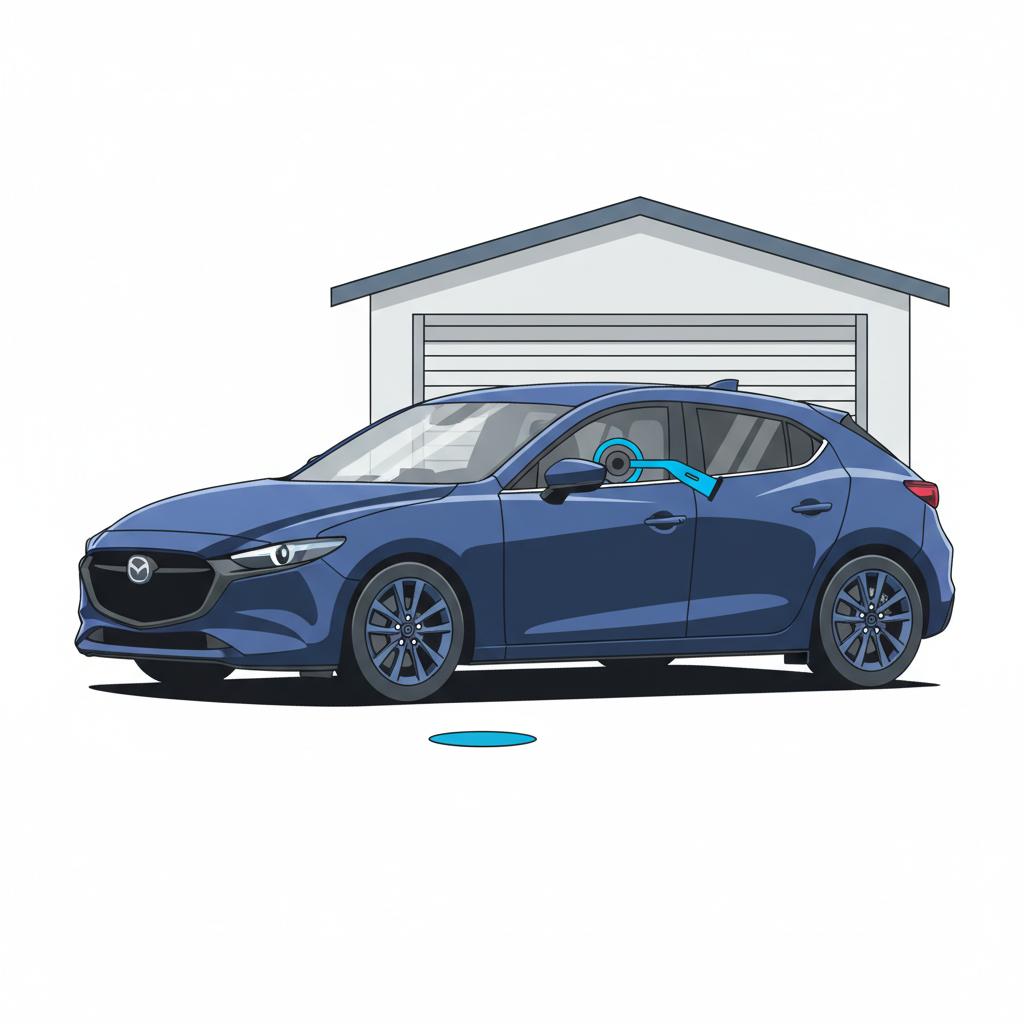
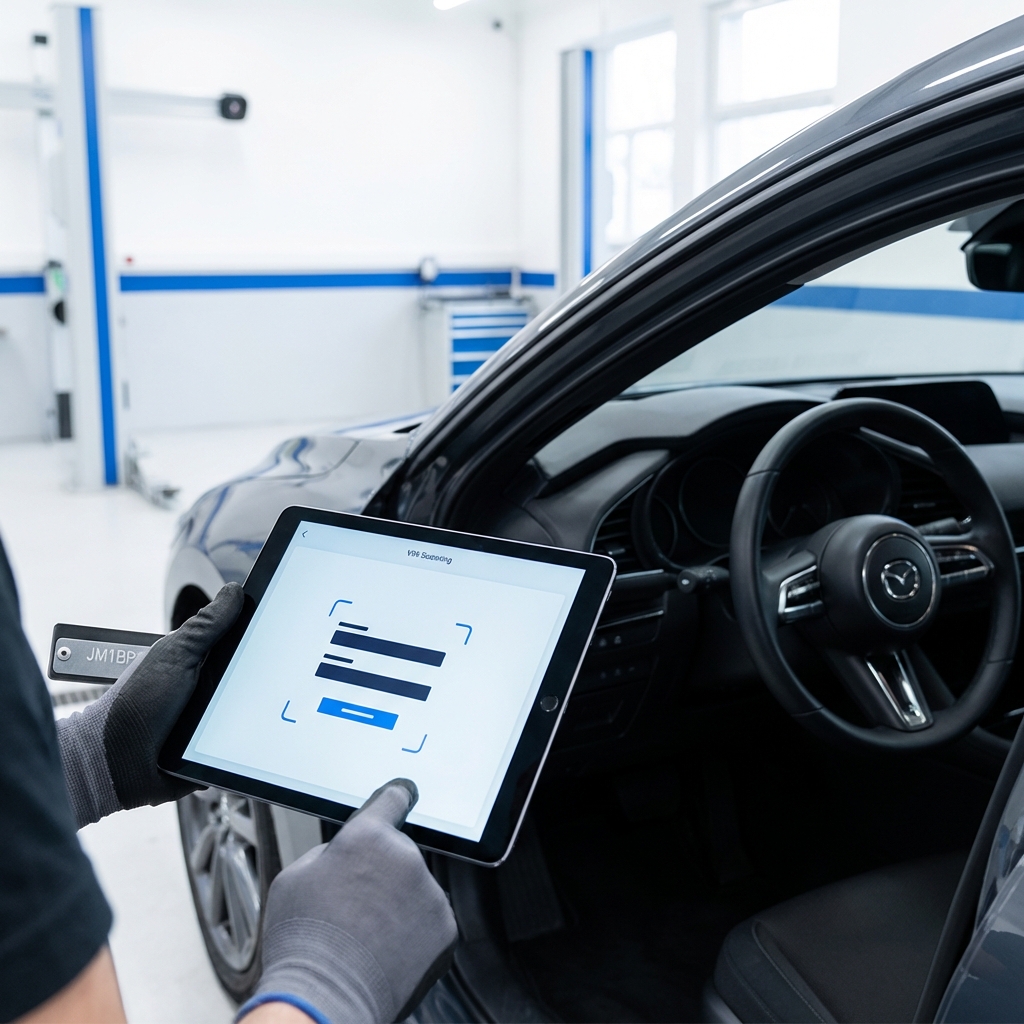
A clear, practical guide to why Mazda 3 insurance can sit above expectations and what you can do about it. This article explains how repair costs, trim choices (especially turbo models), local theft patterns, safety equipment, and driver profile shape Mazda 3 insurance. You’ll find real examples, a step-by-step checklist to lower premiums, VIN- and trim-specific tips, telematics and anti-theft strategies, and how CARFAX Deals can help you make smarter, cheaper choices when buying or insuring a Mazda3.
A step-by-step workflow for estimating a truck's market value that centers on comparing consumer valuation tools, adjusting for mileage and condition, and checking wholesale market signals. The guide explains private-party, trade-in and dealer retail values and shows how a vehicle history report and pricing insights can change an asking price.
This guide helps research oriented buyers evaluate suv used cars for sale under $25,000 by combining safety ratings, reliability data, local pricing context, and vehicle history checks. It outlines a simple framework, a pre visit checklist, and a decision scoring worksheet so you can compare finalists before contacting a dealer. Use the steps here to narrow candidates and confirm risk signals with a vehicle history report and a pre purchase inspection.
When searching suv used cars for sale, prioritize model year, trim and powertrain before choosing a make or model. This guide explains how safety ratings, dependability studies and local pricing insights combine to produce a short list you can verify with a vehicle history report. It also provides a stepwise checklist you can use before contacting a dealer.
If you’re wondering why Mazda 3 insurance sometimes looks higher than you expected, this guide will walk you through the real reasons—repair costs, trim choices like turbo engines, local theft patterns, and the role of safety equipment—and give you clear, practical steps to lower premiums using VIN checks, telematics, anti-theft devices, and smart shopping.
1. Turbo trims on the Mazda3 often cost up to 25–50% more to insure compared to base sedans in the same ZIP code.
2. Raising your collision deductible from $500 to $1,000 commonly reduces collision premiums by roughly 10–15%.
3. CARFAX Deals shows verified VIN histories that help buyers and insurers—listings with clean CARFAX histories are statistically more likely to receive favorable, VIN-specific insurance quotes.
Why is Mazda 3 insurance so high?
If you’ve asked “Mazda 3 insurance - why is it sometimes higher than expected?” you’re not alone. The answer isn’t a single sentence. Insurance pricing is an ecosystem: parts costs, trim differences, local theft trends, driver history, and safety equipment all get folded into one number. For many owners, Mazda 3 insurance rates sit in the same neighborhood as other compact cars - but for certain trims, locations, or driving profiles, those premiums creep upward.
Think of Mazda 3 insurance like a weather map: a storm in one county doesn’t explain another. Insurers read many variables at once. This article untangles the main forces behind Mazda 3 insurance premiums and gives practical, step-by-step ways to lower what you pay without losing protection.
Insurers price a car by combining several inputs - some obvious, some subtle. For the Mazda3, those inputs typically include:
1) Repair and replacement costs: Turbocharged engines and higher-trim components can cost more to repair. Body panels, sensors for driver-assist systems, and performance parts push repair bills up.
2) Claim frequency: Compact cars used for short urban trips often see lots of low-cost fender benders and parking lot dings. Higher frequency of small claims increases premiums.
3) Safety and active-safety equipment: Modern Mazda3 models often include lane-keep, AEB (automatic emergency braking), and adaptive cruise control. Insurers reward these features, but availability varies by trim and year.
4) Theft risk: Local theft hotspots and older models without factory immobilizers can push comprehensive rates higher.
5) Driver profile and ZIP code: Age, prior tickets or accidents, and where the car is parked matter a lot - sometimes more than the car model itself.
Pro tip: Before you buy or shop for coverage, run a VIN report. A clean history often helps you qualify for better quotes. Try a quick VIN report at CARFAX Deals to check accident history, title status, and service records—information insurers value when they price risk.
How insurers build a Mazda 3 insurance price
Insurers price a car by combining several inputs—some obvious, some subtle. For the Mazda3, those inputs typically include:
1) Repair and replacement costs: Turbocharged engines and higher-trim components can cost more to repair. Body panels, sensors for driver-assist systems, and performance parts push repair bills up.
2) Claim frequency: Compact cars used for short urban trips often see lots of low-cost fender benders and parking lot dings. Higher frequency of small claims increases premiums.
3) Safety and active-safety equipment: Modern Mazda3 models often include lane-keep, AEB (automatic emergency braking), and adaptive cruise control. Insurers reward these features, but availability varies by trim and year.
4) Theft risk: Local theft hotspots and older models without factory immobilizers can push comprehensive rates higher.
5) Driver profile and ZIP code: Age, prior tickets or accidents, and where the car is parked matter a lot - sometimes more than the car model itself.
Mazda 3 insurance: Why trims and options make a difference
Not every Mazda3 is equal when insurers look at risk. A base sedan with standard safety features generally attracts lower expected repair costs than a turbocharged hatchback loaded with sensors and performance parts. Because insurers work with loss-cost models that separate trim levels, you’ll often see distinct pricing for the same model year depending on options and engine.
To be clear: the phrase Mazda 3 insurance covers many possible cars. Insurers will treat a 2.0L naturally aspirated sedan differently from a turbo hatchback with carbon-style trim. That’s why VIN-specific quotes are so valuable.
Turbo vs non-turbo - the most common split
Turbocharged Mazda3 variants usually cost more to insure. Why? Turbo systems can be more expensive to repair and some owners drive them harder (insurers use driving correlation data). If you want to keep insurance bills down, a non-turbo trim often makes immediate sense as a budget-minded choice.
Often it’s local context—where the car is parked (street vs garage) and ZIP-code theft/claim frequencies. Those neighborhood-level realities frequently have a bigger impact on a Mazda3’s premium than the brand badge or crash-test scores.
It’s often not the brand or the crash rating - it’s the local context: parking on the street in a theft-prone ZIP code or being a day-one driver in an urban commute. Those real-world factors appear again and again in insurer loss files.
Repair costs, parts supply and labor: the hidden drivers
Repair bills are a major input. Bodywork, sensors for advanced driver assistance, and engine components matter. On modern Mazda3 trims, electronics and sensor-laden bumpers can be costly to replace. If an insurer’s claims data shows a particular part fails frequently or costs a lot to fix, those items drag the rate up.
Additionally, labor rates and parts availability in your region change the cost equation. Two identical Mazda3s in different states can attract different repair cost expectations. When you see higher-than-expected Mazda 3 insurance quotes, check whether parts or labor prices in your area are a factor. For broader context on how insurers view model-level costs, see Bankrate's Mazda car insurance guide at https://www.bankrate.com/insurance/car/mazda/.
Claim frequency: more important than individual repair cost sometimes
Insurers price not only for how much a claim will cost but also for how often claims occur. Compact cars used in city environments often see higher claim counts simply because there are more interactions with other cars and objects. High-frequency, low-cost claims add up on loss-run files and cause insurers to raise base premiums in specific ZIP codes - regardless of crash-test scores.
Safety ratings and active safety: a partial fix
Recent Mazda3 generations score well in IIHS and NHTSA crash tests - a win for drivers. Those crashworthiness ratings reduce expected bodily injury and major liability expenses, which helps keep parts of a policy lower. But safety equipment also matters: models with lane-keep, blind-spot monitoring, and automatic emergency braking often get better insurer treatment. The catch: these features vary by trim and year.
So while crash-test excellence helps, it doesn’t necessarily offset higher repair or theft-related costs tied to certain trims. You’ll still see variation in Mazda 3 insurance based on what’s actually installed on your VIN.
Theft risk: why older Mazda3s sometimes cost more to insure
Nationally, Mazda3s aren’t the top stolen vehicles. But localized theft trends matter more than national lists. Some older Mazda3 models, especially those produced before widespread factory immobilizers, are easier targets in certain neighborhoods. That puts upward pressure on comprehensive premiums for specific model years and locales.
Comparing Mazda3 to rivals - where it wins
How does Mazda3 insurance compare to the Honda Civic and Toyota Corolla? On average, Mazda3 insurance rates sit near those models, but details matter. If you pick a turbo hatch in a busy urban ZIP code, your premium can exceed a comparable Civic sedan. If you choose a well-equipped Mazda3 with modern safety features and park in a garage, your premium can be lower or very competitive. For quick market comparisons, see Lemonade’s Mazda 3 insurance overview at https://www.lemonade.com/car/vehicles/mazda/mazda-3-insurance-cost/ and The Zebra’s Mazda3 rates page at https://www.thezebra.com/auto-insurance/vehicles/mazda/mazda3/.
When comparing similar listings, a car labeled as a “Great Deal” with a clean CARFAX history can often earn a better insurance quote than a discounted vehicle with a checkered past. A quick VIN lookup often clarifies history and helps you ask smarter questions.
Car buyers who want to reduce surprises should lean on VIN-specific tools and historical data. That’s where a platform like CARFAX Deals shines - by pairing verified vehicle history with pricing context, buyers can avoid cars with damage histories or salvage titles that would boost insurance costs.
Why CARFAX Deals is a handy tool for controlling Mazda3 insurance
Instead of guessing, you can check a VIN and learn whether a car has accidents, past structural repairs, or a salvage title. These factors strongly affect insurer decisions. When comparing similar listings, a car labeled as a “Great Deal” with a clean CARFAX history can often earn a better insurance quote than a discounted vehicle with a checkered past.
Actionable ways to lower Mazda 3 insurance
There are concrete levers you can use. Some savings are immediate; others take time.
1) Choose a non-turbo trim if budget matters
Switching from a turbo variant to a naturally aspirated engine reduces expected repair costs and often reduces the premium. If you don’t need extra horsepower, this is a straightforward win for lower Mazda 3 insurance.
2) Increase your deductible wisely
Raising your deductible (for collision and sometimes comprehensive) lowers your premium. Moving from a $500 deductible to $1,000 is a common lever - many drivers see roughly a 10-15% drop in collision premium, though results vary by insurer and history.
3) Use telematics and usage-based discounts
Many insurers offer programs that reward safe driving through apps or plug-in devices. If you consistently avoid hard braking, excessive speed, and night driving, you can qualify for discounts - sometimes 5-20% depending on the program and your behavior.
4) Add approved anti-theft devices
Older Mazda3s without factory immobilizers benefit from steering wheel locks, alarm systems, or OBD blockers. Some insurers provide modest discounts for documented, approved devices - worth considering if theft is a local concern.
5) Shop for VIN-specific quotes
Insurance companies rely on VIN-level data when available. Get quotes tied to your exact VIN to reflect installed options and prior history. A VIN-specific quote often beats a generic model-year price estimate. A convenient place to start is the VIN Report at https://carfaxdeals.com/vinreport.
6) Bundle policies and maintain a clean record
Multi-policy discounts (home + auto) and good-driver discounts remain reliable savings. The clean driving record is one of the strongest levers over time.
Real examples and simple math
Concrete numbers help illustrate how these levers play out.
Example A: Two Mazda3s in the same city
• Driver 1: 2024 Mazda3 Turbo hatch, street parking, 25-year-old driver with two years’ experience. • Driver 2: 2022 Mazda3 base sedan, garaged, 40-year-old driver with a clean record. Result: Driver 1 could pay 25-50% more in premium due to trim, parking exposure, and driver age. The same insurer’s loss tables often show that combination as higher risk.
Example B: Deductible and telematics stacking
If you raise collision deductible from $500 to $1,000: collision premium might drop 10-15%. Add a telematics safe-driving discount of 5-15% and an anti-theft device discount of 2-4% and you can reduce the total premium significantly - though exact stacking depends on the insurer.
What insurers actually look for on a VIN
Underwriters and automated pricing systems examine:
• Exact model year and trim recorded in the VIN. • Installed safety features (AEB, lane-keep, blind-spot alert). • Any recorded theft or prior-insurance claims tied to the VIN. • Title branding (salvage, rebuilt) and reported accident history. • Registered ZIP code and typical parking situation.
VIN-level granularity explains why two Mazda3s from the same year can be priced differently. A clean title, documented service history, and factory safety options will often improve your quote.
Before you buy: a practical checklist
If insurance costs are a deciding factor in your purchase, here’s a checklist to reduce surprises:
1) Get the VIN from the seller and run a VIN history report. 2) Ask for VIN-specific insurance quotes from three insurers. 3) Compare trims - non-turbo vs turbo - and assess your real need for performance. 4) Check parking plans: a garage or private lot can lower theft exposure. 5) Verify factory-installed anti-theft and safety equipment. 6) Document aftermarket anti-theft devices if installed and present receipts for potential discounts. 7) If financing, remember lenders require full coverage - budget accordingly.
Common misconceptions about Mazda 3 insurance
Misconception: The Mazda3 is inherently expensive to insure because of the Mazda name. Reality: Insurers price the car and the driver, not the badge alone. Trim, options, local claims patterns, and driver behavior drive costs.
Misconception: Safety ratings guarantee the cheapest quotes. Reality: Crashworthiness helps, but it doesn’t erase the impact of high repair costs or local theft. It’s one factor among many.
Negotiation tips and shopping strategy
Shopping for Mazda 3 insurance takes a little homework but often yields savings.
Tip 1: Don’t accept the first quote. Different insurers weight risk factors differently. A trim that looks pricey at one company may be average at another.
Tip 2: Use an independent agent to compare multiple company responses quickly. Agents can sometimes detect company-specific quirks and present VIN-specific information more efficiently.
Tip 3: Ask about discount stacking rules - some insurers limit how many discounts apply at once, so ask for a clear breakdown.
Telematics deep dive: is it worth it for Mazda3 owners?
Telematics can be a powerful tool for careful drivers. Programs vary: some use smartphone apps, others require a plug-in device. Typical monitored behaviors include speed, acceleration, braking, and evening driving hours. If you’re a steady, predictable driver, telematics can cut premiums, but the magnitude depends on your pattern and the insurer’s program.
Anti-theft devices: simple fixes with real upside
For older Mazda3s especially, a well-documented anti-theft device can reduce comprehensive or theft-related premiums. Insurers often require proof of installation and a device model that meets their approved list. Even a modest discount is worthwhile if the device discourages thieves and lowers risk.
Financing and coverage choices
If your Mazda3 is financed, your lender will likely require collision and comprehensive coverage. Those are the parts of the policy most sensitive to repair and theft trends. If the car is owned free and clear, you can consider reducing coverage levels - depending on your financial tolerance for an uninsured loss.
Long-term tactics to reduce premiums
Some savings take time but pay off:
• Build and maintain a clean driving record - tickets and at-fault accidents raise rates for years. • Keep miles reasonable - usage-based pricing benefits low-mileage drivers. • Re-evaluate coverage each renewal - market conditions and your profile change, and better rates may become available.
Why a VIN check beats speculation
Insurers prefer data. When you bring VIN-specific facts (clean title, no accidents, service history) to an insurer, you reduce uncertainty and often the price. That’s why services that combine verified vehicle history and pricing context, like CARFAX Deals, are helpful decision tools for buyers comparing Mazda3 listings.
Sample timeline: buying a Mazda3 with insurance in mind
Day 1: Find a listing with a VIN and run a history report. Day 2: Request VIN-specific quotes from three insurers. Day 3: Compare trims and ask the dealer for documentation of factory safety options. Day 4: Decide on deductible level and optional anti-theft add-ons. Day 5: Finalize coverage - remember to ask about telematics options and bundling discounts.
Final practical checklist (quick version)
• VIN check first. • Get at least three VIN-specific quotes. • Prefer non-turbo trims if insurance is critical. • Consider telematics and anti-theft devices. • Bundle policies and keep a clean record.
FAQ: quick answers
Is the Mazda3 expensive to insure? Generally not dramatically so - Mazda3 rates are comparable to similar compacts, but turbo trims, hatchbacks in high-claim ZIP codes, or older models without immobilizers can cost more.
Why do turbo trims cost more? Turbo trims often feature costlier parts and may be driven at higher speeds - both raise expected loss costs.
Do safety ratings help? Yes. Good IIHS and NHTSA scores help with liability portions of coverage, but they don’t remove the effects of expensive parts or local theft.
Parting thought
Insurance is rarely about a single detail. For Mazda 3 insurance, premiums are shaped by trim-level repair costs, local theft trends, driver behavior, and installed safety equipment. You can’t control everything, but you can control the trim you pick, where you park, your deductible, and how many insurers you ask for quotes. Those choices usually translate to the largest savings.
Check the VIN, control your insurance costs
Ready to make an informed choice? Run a VIN report and compare quotes so you don’t pay more than you should - start with a VIN check at CARFAX Deals to see full history and price context.
Good luck with your search - and remember: the right prep now often saves money and headaches later.
Generally, the Mazda3 is not unusually expensive compared with other compact cars. Premiums depend on the trim, location, driver age and history, and whether the car has modern safety and anti-theft equipment. Turbo trims and hatchbacks in some ZIP codes often cost more to insure.
Yes. Non-turbo trims typically have lower expected repair costs and tend to attract lower premiums. If you don’t need added performance, choosing a naturally aspirated Mazda3 is one of the clearest ways to lower Mazda 3 insurance costs.
A VIN report from CARFAX Deals is very helpful. It shows title history, accidents, and service records—factors insurers use when they price a VIN. A clean VIN history often leads to more accurate (and sometimes lower) insurance quotes.
Mazda 3 insurance is shaped by trim-level repair costs, local theft risk, and driver profile, and by choosing the right trim, parking, deductible, and using VIN checks you can keep insurance costs manageable—happy, prepared driving!

 Blog
Blog