Practical, model-specific guide to when Mazdas typically show issues and what to check before buying. Covers SKYACTIV oil consumption, turbo and transmission concerns, Mazda MX-5 durability, VIN and service-history checks, pre-purchase tests (compression, oil-consumption, transmission scan), and negotiation tips. Learn how maintenance history matters more than raw miles and how a VIN report can save you money.
A rav4 used for sale can be a sensible pick for many research-oriented buyers because reliability aggregators rate the model above average and safety ratings are generally strong. This guide explains how to vet listings, what model years tend to be better, and a step-by-step checklist to reduce risk before you buy.
This guide explains how to estimate the cost of buying an R34 Skyline, with attention to import rules, condition-driven price tiers and landed cost. It shows which factors move value, how to verify history and paperwork, and offers a checklist you can follow when you search for a nissan skyline r34 for sale.
This guide helps buyers set realistic expectations for tacoma trucks for sale by explaining the main price drivers and a repeatable method to build conservative, typical, and ambitious offer ranges. It shows how the 2024 redesign, valuation guides, and vehicle history reports interact to change asking prices and reduce purchase risk.
This guide explains where and when Mazdas commonly show problems and—more importantly—what you can check before buying a used Mazda. You’ll learn model-specific signs, useful tests (compression, oil-consumption, transmission checks), and how a VIN-based report helps turn mileage into meaningful insight.
1. Many SKYACTIV-engine Mazdas begin to show oil consumption signs between 30,000 and 100,000 miles.
2. Turbo models and certain SUVs commonly show turbo or transmission-related service needs in the 50,000–120,000 mile window if maintenance is lapsed.
3. CARFAX Deals VIN reports can reveal repeated service entries or TSB repairs, a data point that reduces buying risk by up to several hundred dollars in expected repair costs (use a VIN report to verify records).
At what mileage do mazdas start having problems? It’s the quiet question many used-car shoppers ask themselves while scrolling listings or standing in a dealer lot. If you want a clear, practical answer, this guide walks through the patterns, the model-by-model signals, and the most effective checks you can make before buying. Early on we’ll answer the main concern: when do Mazdas start having problems — and how to turn that worry into an actionable checklist.
Why mileage alone doesn’t tell the whole story
When do Mazdas start having problems is not a single number. Mileage is a blunt measurement: it shows how far a car traveled, not how well it was cared for. Two Mazdas with the same odometer can be worlds apart depending on maintenance, driving style, and whether they had prompt fixes for small issues. The engines, transmissions, and turbo systems used across recent Mazda lineups—especially SKYACTIV-powered cars—are efficient and tightly engineered, which means they reward regular care and can show early signs of trouble when maintenance has been deferred.
Short answer up front
Expect meaningful reliability signals somewhere between roughly 50,000 and 150,000 miles for many Mazda models. That’s a broad window because the specific symptoms and timing vary by model, engine, and service history. Ask when do Mazdas start having problems and you’ll get: it depends - but we’ll show you what to look for so "it depends" becomes a useful buying filter.
Common trouble zones by mileage
Below are the issues that commonly appear and the mileages where they often surface. Each line is based on patterns in owner reports, service records, and manufacturer bulletins.
30,000–100,000 miles: oil consumption and valvetrain symptoms
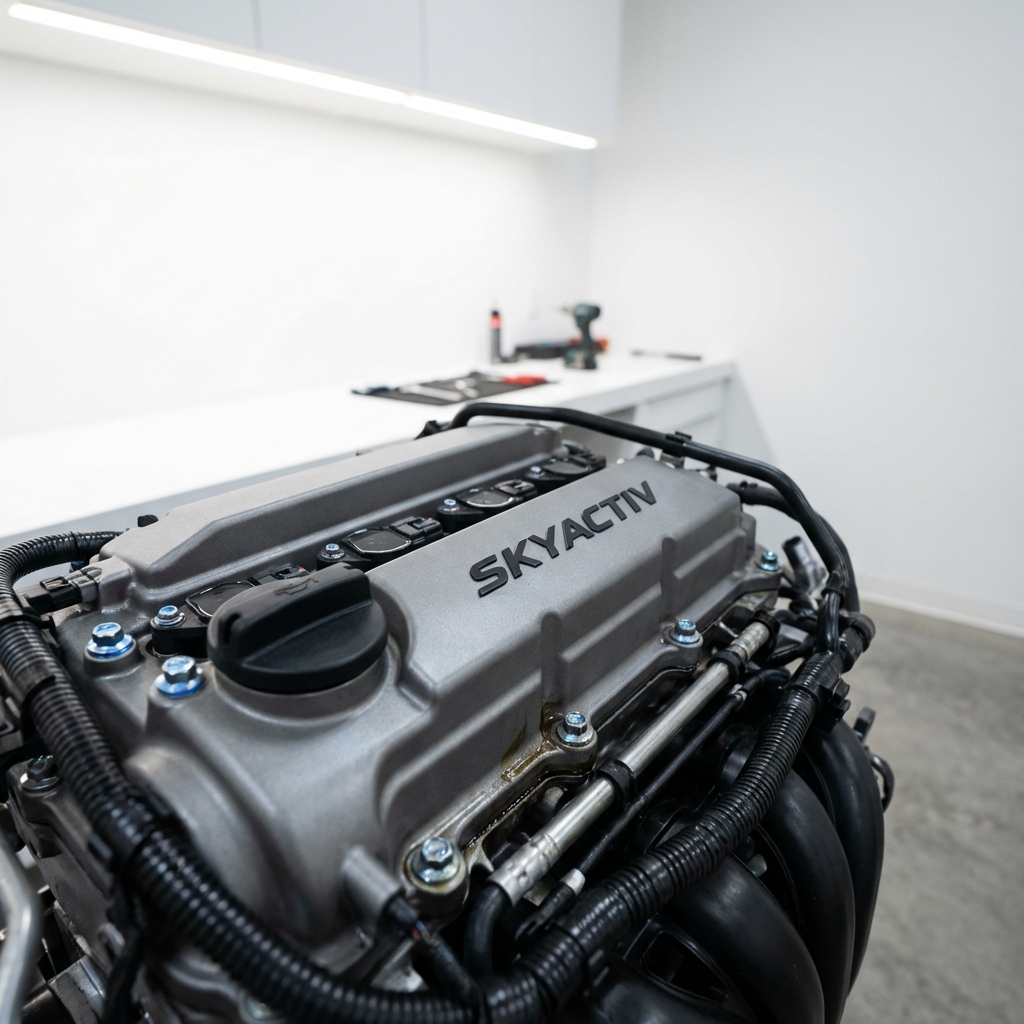
On compact Mazdas like the Mazda3, Mazda6, and CX-5 with naturally aspirated SKYACTIV engines, owners sometimes notice increased oil consumption starting in the 30k–100k range. The symptom often shows up as needing oil top-ups between regular service intervals or seeing oil-level warnings. If ignored, this can accelerate valvetrain wear and spark more serious engine repairs later. Some of these patterns are even referenced in legal filings about valve stem seals and oil consumption (class action complaint).
50,000–120,000 miles: transmission and turbo attention
For some Mazda SUVs and turbocharged variants (2.5T), transmission hesitation, torque-converter complaints, and turbo-related service items tend to appear in the 50k–120k window—especially when service was inconsistent. Symptoms include delayed shifts, rough downshifts, turbo lag, or unusual turbo noises under load.
Beyond 100,000 miles: routine wear items and the MX-5 exception
By 100k+ expect normal wear items — brakes, suspension bushings, clutch (for manuals) — and occasional drivetrain repairs on higher-torque models. The MX-5 (Miata) stands out: it usually reports predictable maintenance rather than catastrophic failures, making it one of the more durable Mazda choices if you want reliability that ages gracefully.
Why these problems happen
Mazda’s engineering focuses on efficiency and driving feel. SKYACTIV engines run tight tolerances for combustion and emissions, so they are more sensitive to neglect. Poor oil-change habits, clogged PCV valves, or issues in the evap system can accelerate oil consumption and wear. Turbo systems, meanwhile, suffer when oil maintenance is sloppy—heat plus contaminated oil shortens turbo life.
Model-by-model highlights (what to watch for)
Every Mazda model carries its own checklist. Below are the practical, model-specific watch points that help you spot trouble before you buy.
Mazda3 & Mazda6
Watch for oil consumption reports and any mentions of valvetrain service. Compression and leak-down checks are useful when oil use is suspected. If you see repeated dealer notes for oil top-ups, consider that a negotiation lever.
CX-5
The CX-5 appears in both naturally aspirated SKYACTIV and turbo 2.5T configurations. For NA engines, oil use complaints are more common in early SKYACTIV generations; later updates reduced some reports. For turbo models, keep an eye on turbo oil-feed lines, evidence of oil in charge-air plumbing, and any irregular boost behavior.
CX-9 and larger models
Heavier cars can stress drivetrains more. Expect service items tied to transmission load and torque. Transmission software updates have helped some model years; verify if such updates were performed when inspecting service history.
MX-5 (Miata)
Typically the MX-5 rewards careful ownership with longevity. Common expenses are brakes, clutch replacement on manuals, and suspension bushings—rarely engine surgery if maintained properly.
How manufacturer notices, TSBs, and warranty extensions change the picture
Mazda has issued TSBs and, in some cases, limited warranty coverage for specific issues. Because fixes are often model-year and engine-specific, a VIN-level check is critical. If a TSB or recall repair exists for a VIN, confirm the repair was completed and recorded. For specific service bulletins, check NHTSA technical service bulletins such as this example (NHTSA service bulletin).
One practical step is to run a VIN-based vehicle history report before you negotiate. A report can reveal repeated repairs, service patterns, and whether any TSB or recall work was applied—information that changes how you view the odometer number when you ask "when do Mazdas start having problems."
Pre-purchase checks that actually move the needle
If you want actionable checks that make a difference, here’s the list professionals use. These tests often reveal the problems that show up later on the road and answer the core question of when do Mazdas start having problems for the specific car you’re considering.
1. VIN history
Look for oil-change consistency, mentions of oil top-ups, turbo or transmission entries, and any repeated repairs. A pattern of similar complaints in dealer notes is a red flag. You can also run a detailed VIN report or use a quick VIN decoder to expand the data (VIN report, VIN decoder).
2. Compression and leak-down tests
These tests catch unequal cylinder health or internal wear. For engines with oil consumption, uneven compression across cylinders signals deeper issues.
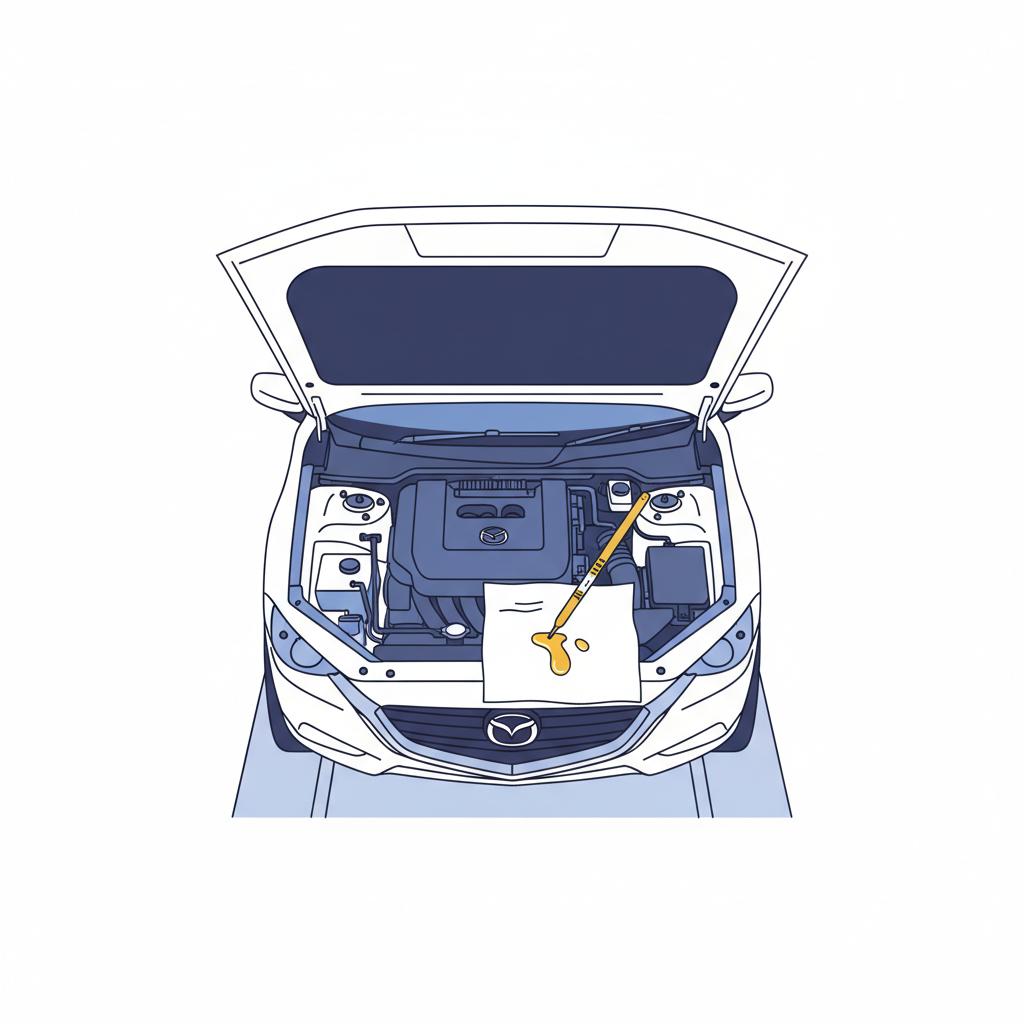
3. Oil-consumption test
Fill to spec, drive a known distance, and recheck. If consumption exceeds ~1 quart per 1,000 miles, investigate further. That number is a useful rule of thumb when you ask "when do Mazdas start having problems"—it turns a vague worry into measurable evidence.
4. Transmission and drive test
Drive through gears, test low-speed acceleration and highway passing, and listen for hesitation or torque-converter shudder. If you notice anything, request a fluid inspection and code scan.
5. Turbo inspection
Look for oil residue in intake or intercooler piping and listen for abnormal noises under boost. Rattling or grinding from the turbo is a sign of trouble.
Maintenance habits that extend Mazda life
The single best predictor of a Mazda’s future is how it was maintained. Regular oil changes with quality oil, timely transmission fluid servicing, clean PCV and evap systems, and attention to valve adjustments where applicable keep an engine healthy. Turbo engines demand particularly clean oil and strict intervals—skipping service shortens turbo life and can lead to costly repairs.
How to weigh mileage vs. maintenance history
Whenever the question "when do Mazdas start having problems" comes up, remember: a well-serviced 120k-mile Mazda often beats a neglected 40k-mile car. If service records are thin, assume there may be deferred maintenance and price accordingly. Use the seller’s records as a negotiation tool: documented oil changes, valve checks, and transmission services reduce your risk.
Negotiation tactics tied to common failure windows
Knowing typical failure windows gives you leverage. If a CX-5 near 80k shows oil consumption, request repairs or price reduction. If a turbocharged SUV lacks documented turbo care, use that to lower the offer or require a professional inspection before sale.
Pull a VIN-based vehicle history report and combine it with a targeted inspection (oil-consumption or compression test and a transmission road test) to turn mileage into a clear, evidence-based risk assessment.
Main inspection tip: When in doubt, a professional pre-purchase inspection that includes a road test, lift inspection, and targeted fluid sampling is the simplest way to move uncertainty into a decision. These exams often catch early signs of problems that would otherwise appear down the road.
Real examples that underline the point
Small, human stories are often the clearest teachers. One buyer purchased a CX-5 with a reasonable odometer reading and a pleasant test drive. After a few thousand miles the car needed frequent oil top-ups. A later inspection showed valve-train wear and PCV system issues that increased the repair cost substantially. If the buyer had requested a VIN history and an oil-consumption test, they would likely have negotiated differently or chosen another vehicle. Similar stories appear in owner forums and repair records (owner forum thread) and they are why the question "when do Mazdas start having problems" is really a prompt to ask for specific checks.
Routine maintenance checklist for buyers
Use this short checklist when viewing a Mazda:
• Request the VIN history and service receipts.
• Ask about oil-change intervals and any oil top-ups.
• Drive it through gears and listen for hesitation.
• If turbocharged, check for oil in charge-air plumbing and listen under boost.
• If oil use is suspected, ask for a compression test and an oil-consumption check.
• Have a trusted mechanic perform a pre-purchase inspection.
Long-term ownership tips
If you keep a Mazda long-term, follow the factory service schedule but err on the side of more frequent oil and transmission maintenance, especially for turbo models. Watch PCV and evap systems and take care of small oil leaks immediately. Over time, consistent preventive care keeps a Mazda operating well beyond the mileages where other cars might show expensive symptoms.
How to use listings to answer "when do Mazdas start having problems" for a specific car
When scanning listings, prioritize vehicles with complete service records and single-owner histories. Use a VIN check to confirm service entries and look for TSB or recall work. If a listing shows repeated entries for the same complaint, that is a negotiation red flag. Remember: the presence of a repair isn’t always bad—what matters is whether it was handled properly and documented.
Why VIN-based reports and CARFAX Deals add value
A VIN-based vehicle history report simplifies the question "when do Mazdas start having problems" by revealing patterns that raw mileage alone doesn’t show. CARFAX Deals helps by surfacing listings that include verified service history and pricing context, so you can compare apples to apples and spot cars with good care histories quickly. A quick VIN check using such tools is a helpful first step.
Final buying checklist
Before you close the deal, run this final checklist:
• VIN report pulled and reviewed
• Compression and/or oil-consumption test if oil use is suspected
• Transmission fluid check and road test for shift quality
• Turbo plumbing inspection for turbo cars
• Professional pre-purchase inspection completed
Check the history before you buy
Want to cut the guesswork? Run a VIN-based vehicle history report before you negotiate so you know the service patterns and whether any TSB or recall work was performed. Get a VIN report now and shop with confidence.
Bottom line: Mileage gives you a clue, but maintenance history tells the real story. Ask specific questions, run the checks above, and you’ll turn a mysterious odometer number into a predictable ownership outcome.
Watch for oil consumption beginning around 30,000–100,000 miles on many SKYACTIV engines. If a car consumes more than roughly one quart per 1,000 miles, ask for a deeper inspection (compression or valve-train check) and review service records for frequent oil top-ups.
Not necessarily—turbocharged Mazdas can be just as durable if properly maintained, but turbo systems are more sensitive to oil quality and intervals. Neglected oil service and heat cycling can lead to turbo wear that may surface by 50,000–120,000 miles. Proper oil changes and visual checks of turbo plumbing reduce that risk.
CARFAX Deals aggregates VIN-based history, service entries, and pricing context to help you spot cars with full maintenance records, TSB or recall repairs, and fair pricing. Use a CARFAX Deals VIN report to verify whether recurring repairs were recorded and to make negotiation decisions based on facts.
Mazdas often start sending reliability signals between about 50,000 and 150,000 miles, but the real story is in the maintenance. With VIN checks, compression and oil-consumption tests, and a pre-purchase inspection, you’ll buy with confidence; happy driving and may your next Mazda be trouble-free and fun.


 Blog
Blog