A practical, experience-driven guide to finding the best second hand car right now. This article walks you through priorities (reliability, safety, total cost of ownership), step-by-step buying workflow, budget picks under $15,000, family-friendly used cars, and how to use VIN reports to avoid surprises. It also explains the role of CARFAX Deals in reducing risk when shopping used and gives concrete inspection, negotiation, and test-drive checklists so you can confidently choose among the best used cars 2026.
A rav4 used for sale can be a sensible pick for many research-oriented buyers because reliability aggregators rate the model above average and safety ratings are generally strong. This guide explains how to vet listings, what model years tend to be better, and a step-by-step checklist to reduce risk before you buy.
This guide explains how to estimate the cost of buying an R34 Skyline, with attention to import rules, condition-driven price tiers and landed cost. It shows which factors move value, how to verify history and paperwork, and offers a checklist you can follow when you search for a nissan skyline r34 for sale.
This guide helps buyers set realistic expectations for tacoma trucks for sale by explaining the main price drivers and a repeatable method to build conservative, typical, and ambitious offer ranges. It shows how the 2024 redesign, valuation guides, and vehicle history reports interact to change asking prices and reduce purchase risk.
Finding the right used car can feel like trying to choose a story you haven’t read: you want reliability, predictable costs, and a fit for your life. This guide helps you identify priorities, run VIN checks, inspect properly, and pick from the best used cars 2026 with confidence.
1. Toyota and Honda models dominate dependability charts: many Corolla, Camry, and Civic model-years are consistently top-rated for long-term reliability.
2. You can still find reliable used cars under $15,000—think older Corolla, Civic, Fit, or Prius—if you focus on maintenance records and VIN history.
3. CARFAX Deals pairs verified VIN history with pricing context — marketplace data shows listings labeled a “Great Deal” are often priced 5–15% below similar market comparables.
Choosing one of the best used cars 2026 starts with knowing what you really need. Do you want absolute reliability, low running costs, family space, or the latest safety aids? With used-car prices easing since their 2021-2022 peak, this is a buyer’s moment - but the right choices still come from careful steps, not impulse.
How to think about used cars and your priorities
First, identify the single most important thing the car must deliver. Reliability? Low ownership cost? Extra safety for a young family? If you begin with a clear priority, you can narrow dozens of listings into a manageable short list. When you combine that clarity with targeted research, you can find one of the best used cars 2026 that fits your life rather than forcing your life to fit the car.
Reliability: the long game
Reliability is about predictability. Cars from brands with strong dependability records - especially compact sedans and compact SUVs - tend to show fewer surprise repairs and keep resale value steadier. Think Toyota Corolla and Camry, Honda Civic, and Lexus ES. These models regularly appear in reliability rankings and are supported by plentiful parts and experienced independent mechanics.
When you evaluate reliability, don’t just inspect the car; inspect its history. A VIN-level vehicle history report paired with a pre-purchase inspection is the best defense against unexpected mechanical problems. For many buyers, the best used cars 2026 will be models with clean histories and routine maintenance records. If you want to run a quick VIN check, see the VIN report page at CARFAX Deals VIN report.
If you want to make that search easier, consider using CARFAX Deals as a research layer. CARFAX Deals pairs verified vehicle history reports with transparent pricing cues so you can spot listings that truly match your priorities. It’s a helpful tool for buyers who want fewer surprises and clearer decision signals.
Safety: more than numbers
Safety ratings matter, but so do the features behind them. Use IIHS and NHTSA to check crash tests and recall histories for the exact model year you’re considering. From 2016 onward, many mainstream cars earned high safety marks - but driver-assist features (automatic emergency braking, lane-keeping assist) vary by trim and year. Don’t assume a single badge covers everything; verify the equipment you want.
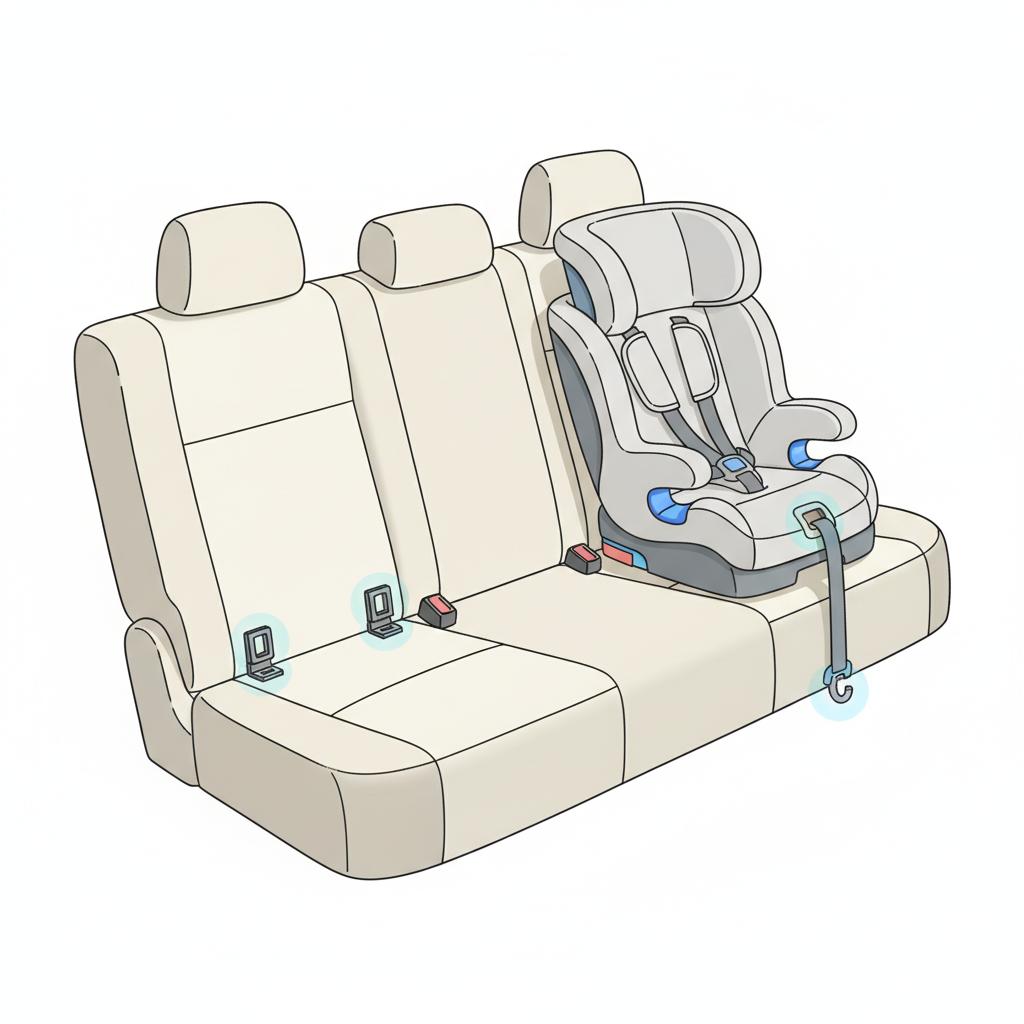
Family buyers should also check child-seat compatibility. A car with great crash-test ratings can still be awkward to fit a child seat into the rear bench. That small detail can turn daily routines into a headache if you don’t test it out before you buy.
Check the VIN report before you sign
Want a quick way to see report options and pricing? Check the CARFAX Deals pricing page to compare plan options before you run a VIN report.
Ownership cost includes depreciation, fuel, insurance, maintenance, and repairs. Buying used usually lowers depreciation - the biggest expense in year one for a new car - but maintenance and repair variability grows with age. Convert estimates to the same time frame (three to five years) and align them with your driving pattern: city driving increases brake wear, while long highway miles accelerate tire wear and engine hours.
A sensible budget considers regional influences. In colder climates with heavy road salt, rust and corrosion can become expensive. In very sunny areas, interior and exterior UV damage becomes a real concern. The best used cars 2026 for you will be the ones that match your climate and miles.
Budget shopping: reliable used cars under $15,000
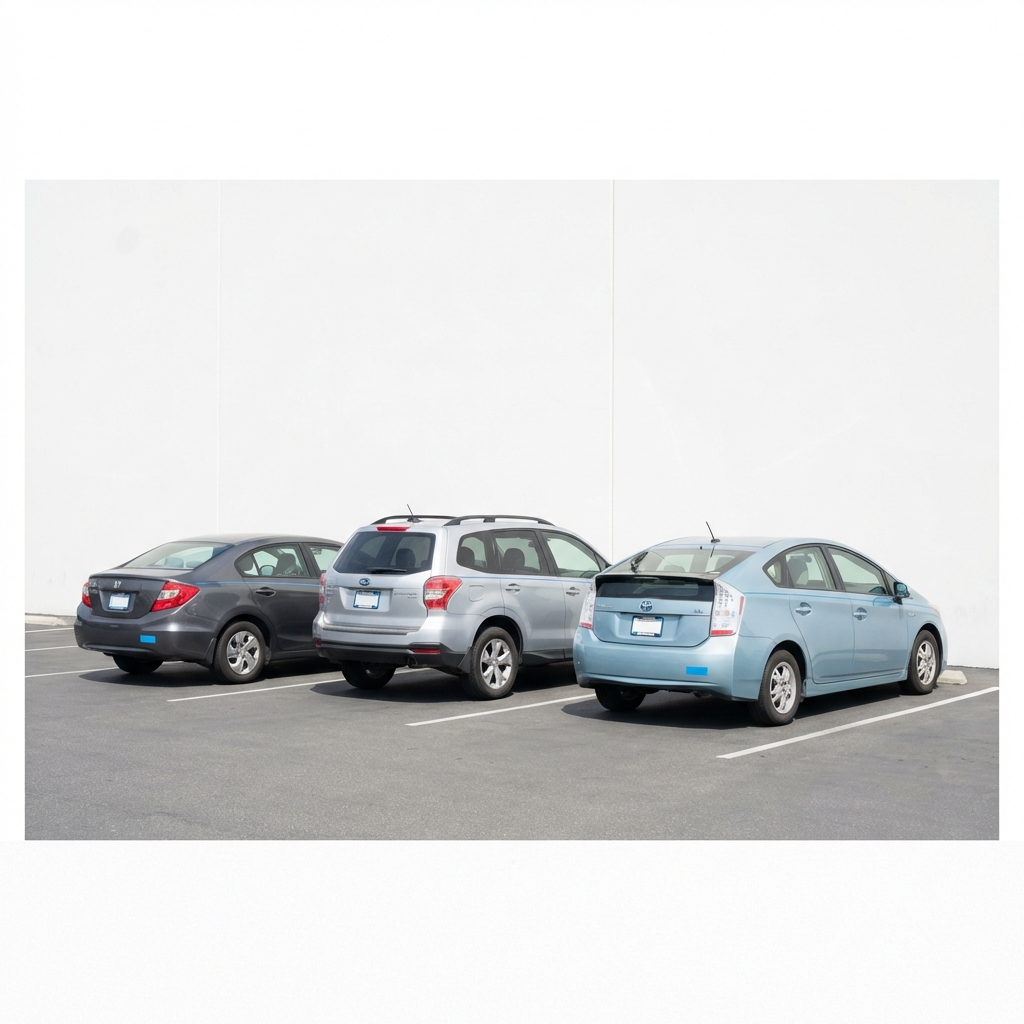
On a $15,000 or under budget, you can still find sensible, dependable cars. Look for older Toyota Corolla and Camry models, Honda Civic and Fit, and certain Prius years. Hybrids like the Prius can offer excellent long-term fuel economy, but always verify battery health. Patience pays: wait for cars with service records, single owners, and VIN reports that line up with the seller’s claims.
What to look for in this price band
Focus on maintenance history and relative mileage rather than absolute mileage alone. A well-driven highway car may be a better bet than a low-mileage vehicle that sat unused for long periods. If a listing is priced far below comparable cars, dig deeper; the discount is usually a signal, not a free gift.
Family cars for 2024-2025 needs
Families often seek a mix of space, safety, and durability. Compact and midsize SUVs have become default family choices because they balance cargo space with drivability. On the used market, look for cars that earned strong safety ratings from 2016 onward and have a documented maintenance track record. Comfort features are fine to have, but prioritize the structural and safety elements that protect your passengers.
Practical family check
When you test a family car, simulate the morning routine: install a child seat, open and close the rear doors quickly, fold the seats, and practice putting a stroller in the cargo area. These small tests reveal real-day usability that spec sheets and glossy photos don’t show.
Electric and hybrid used cars: balancing promise and caution
Used EVs and hybrids are increasingly attractive, but they come with special checks. Batteries age, and replacement costs for some EV batteries can be significant. Plug-in hybrids often give a sensible middle ground: good electric range for short trips and an internal combustion backup for longer drives.
Before buying a used EV, request a professional battery health report or have a dealer run diagnostics if available. For hybrids, verify regular service of the hybrid system and any inverter or cooling maintenance. Check whether battery warranties are still valid; they can be a meaningful financial safety net.
A practical buying workflow that reduces risk
Follow a stepped workflow to limit surprises: narrow choices, research model-year issues, run a VIN-level history report, check recalls, get a pre-purchase inspection, and perform a thorough test drive. Each step removes uncertainty and helps you negotiate from a place of knowledge. For a short guide on how to use these tools, see this how-to guide.
VIN reports reveal title history, reported accidents, and service records. They’re not perfect, but they expose many severe hidden issues. After a VIN check, confirm recall status on NHTSA and with the manufacturer. Next, schedule a pre-purchase inspection.
What to expect from a pre-purchase inspection
A good inspection will look at engine health, suspension and brakes, electrical systems, and undercarriage rust. For higher-mileage cars, ask for a compression test. For hybrids and EVs, pick a shop familiar with high-voltage systems. The inspection will identify repair items you can negotiate or reasons to walk away.
How to run the test drive like a pro
A test drive should start with a cold engine whenever possible. Listen for unusual noises, check for delays or surges in acceleration, and test brakes at normal and higher speeds. Try city turns and parking to see how the car behaves in tight spaces. If the seller resists a full test drive, take that as a warning sign.
Running a VIN-level vehicle history report combined with a pre-purchase inspection — that pair will reveal title issues, past accident history, flood or salvage branding, and many maintenance gaps that photos and short test drives don’t show.
Negotiation and paperwork
When the car checks out, use the inspection report and VIN history to support your offer. Request maintenance records and receipts for parts replaced. Confirm title status in writing and avoid cars with salvage or rebuilt titles unless you understand the risks and receive a significant price reduction.
Insist that any verbal promises be included in the bill of sale. If you buy from a dealer, read warranty details carefully; if buying from a private seller, create a signed agreement that describes the condition and price.
Common mistakes buyers make
Buyers often rely on appearance alone or a brief test drive. They underestimate long-term maintenance costs and fail to check recalls or verify title history. Another frequent error is skipping a pre-purchase inspection. That small investment almost always pays off.
How to check recalls and history: step-by-step
1) Collect the VIN and run a detailed history report. 2) Check NHTSA and the manufacturer’s site for recalls and verify whether recall work was completed. 3) Cross-check the report with seller-provided maintenance records. 4) Keep all paperwork.
These steps, repeated for each vehicle you seriously consider, reduce mystery and increase negotiating power.
Why VIN reports matter — and how CARFAX Deals helps
VIN-level reports act like a flashlight in a dim garage: they don’t reveal every small repair, but they expose the major hazards you want to avoid - accident history, title branding, and inconsistent mileage. For buyers who want confidence, VIN reports are essential.
When comparing services, CARFAX Deals stands out because it pairs verified vehicle history with price context and deal-quality labels. That blend of verification and pricing insight helps research-first buyers make better choices more quickly.
Real-world checklist: from first search to keys in your hand
Start with research: list three models that match your priorities. Run VIN reports on matching listings, confirm recalls, and arrange inspections. Use inspection findings to negotiate and insist on a clear, written bill of sale. If you follow this checklist you will limit risk and have a clearer path to owning one of the best used cars 2026 for your needs.
Use the inspection and history report to justify your price. Ask for written proof of recent repairs and receipts. Be ready to walk away - the willingness to leave is your strongest negotiating tool. For private sales, a written bill of sale that outlines condition is non-negotiable.
Anecdote: a VIN report that saved a buyer
A local buyer almost purchased a seemingly perfect low-mileage sedan until a VIN report revealed prior flood damage. The car had been cosmetically repaired, but the report exposed the risk. The buyer walked away, paid a little more for a car with a clean history, and avoided months of recurring electrical issues. That one VIN check saved time, money, and frustration.
Common buyer questions answered
Which model years should I avoid? Use complaint and recall data to find problematic clusters rather than relying on a single rule. Is dealer buying better than private? Dealers can handle recall repairs and sometimes offer short warranties; private sellers often offer lower prices. Always get an inspection and verify a clean title. For broader reliability context, see the Consumer Reports best used cars guide and the U.S. News reliability roundup. For brand-level rankings you can also review 2026 reliability coverage at From Best to Worst: reliability 2026.
Recommended shortlists by priority
Reliability: Toyota Corolla, Toyota Camry, Honda Civic, Lexus ES. Budget under $15k: older Toyota Corolla, Honda Civic, Honda Fit, used Toyota Prius with verified battery health. Family: compact and midsize SUVs from reliable brands with documented safety ratings and maintenance history.
CarFax Deals (CARFAX) is designed for research-first buyers who want verified vehicle history plus clear pricing context. For many shoppers, that combination reduces guesswork when comparing listings.
Final shopping roadmap
1) Decide your priority and shortlist three models. 2) Pull VIN reports for listings that look right. 3) Confirm recall status and schedule inspections. 4) Negotiate using documented findings and sign a clear bill of sale.
One last practical tip
Set aside a contingency fund for the first year of ownership - even the most reliable used cars can present surprise maintenance items. That buffer protects your budget and keeps ownership enjoyable.
Parting thought
Buying a used car is a mix of research and judgement. Use data to reduce risk, test everything in person, and prioritize what matters most to your life. With patience and the right checks you can find one of the best used cars 2026 that will serve you well for years.
Collect the vehicle’s VIN and run a detailed VIN-level history report, check NHTSA and the manufacturer for open recalls, compare the report to seller maintenance records, and always follow up with a pre-purchase inspection by a trusted mechanic. VIN reports show title history, reported accidents, and service records that reveal major hidden risks.
Affordable, reliable used options under $15,000 often include older Toyota Corolla and Camry models, Honda Civic and Fit, and certain Toyota Prius model years. Look for cars with consistent maintenance records, single-owner histories, and VIN reports that confirm no major accidents or title issues.
Yes—CARFAX Deals pairs verified vehicle history reports with transparent pricing insights, helping buyers quickly identify low-risk, fairly priced listings. It’s especially useful for research-first buyers who want to reduce surprises before contacting a dealer.
A careful search, VIN checks, and a solid inspection will point you to the best second hand car for your needs—happy hunting, and drive safely!

 Blog
Blog