This guide helps buyers understand which BMW X3 model years tend to offer the best balance of safety, reliability and depreciation. It explains why the 2018–2021 G01 generation is often a practical sweet spot, and it gives step-by-step checks buyers should run on each listing, including VIN-level vehicle history reports and a pre-purchase inspection.
A rav4 used for sale can be a sensible pick for many research-oriented buyers because reliability aggregators rate the model above average and safety ratings are generally strong. This guide explains how to vet listings, what model years tend to be better, and a step-by-step checklist to reduce risk before you buy.
This guide explains how to estimate the cost of buying an R34 Skyline, with attention to import rules, condition-driven price tiers and landed cost. It shows which factors move value, how to verify history and paperwork, and offers a checklist you can follow when you search for a nissan skyline r34 for sale.
This guide helps buyers set realistic expectations for tacoma trucks for sale by explaining the main price drivers and a repeatable method to build conservative, typical, and ambitious offer ranges. It shows how the 2024 redesign, valuation guides, and vehicle history reports interact to change asking prices and reduce purchase risk.
The BMW X3 is a compact luxury SUV that attracts buyers who want a premium driving experience with usable cargo and passenger space. For used car shoppers, model year, generation and powertrain tend to change safety, reliability and ownership cost more than a single headline year.
This article explains why the 2018 to 2021 G01 generation is often a practical sweet spot for many buyers. It then gives a step by step framework and VIN level checks you can use to evaluate any listing before you contact a dealer.
The 2018-2021 G01 generation often balances updated safety features with lower depreciation than newer X3s.
Always run a VIN level vehicle history report and verify completed recall remedies before purchase.
3 to 6 year old X3s frequently offer the best trade off between price and remaining useful life depending on trim and local demand.
What the BMW X3 is and why model year matters
Quick model overview and who buys an X3
The BMW X3 is a compact luxury SUV that appeals to buyers who want a premium driving experience with flexible cargo and family space. Research oriented shoppers often compare model year, trim and powertrain when assessing a used X3, because those factors change safety equipment, reliability and ownership cost.
Many people searching for a bmw x3 for sale focus on model year headlines. That can be helpful as a starting point. But generation, powertrain and documented condition typically matter more for long term ownership than a single calendar year.
Check VIN history and pricing context first
Before you contact a dealer, compare vehicle history reports and pricing insights to prioritize listings that match your budget and risk tolerance.
There is no single model year that fits every buyer. Different generations and engine types have different known issues, and trim choices affect features and maintenance cost. Buyers who fixate on one year can miss better matches in the same generation with stronger service records.
The redesign introduced with the 2018 G01 generation brought updated safety hardware and technology that often improves the ownership picture versus many pre-2018 models, making that generation a common sweet spot for used buyers IIHS vehicle ratings.
A simple framework to decide which year is best for you
Start by ranking what matters most to you. If safety equipment and crash protection are top priorities, you may accept a smaller savings to get more recent safety technology. If low short-term cost is the priority, a slightly older well maintained example can fit better.
Document your ownership horizon. A five year ownership plan favors a 3 to 6 year old vehicle for the balance of remaining useful life and depreciation, according to market data trends, but trim and powertrain choices change that calculation KBB used car values.
Step 2: Check generation-level changes and known issues
Match the listing to its generation and note common problem areas for that era. For example, aggregated owner reports identify more engine and oil related complaints on several pre-2018 X3 model years; that can influence whether an older X3 is worth the savings for you RepairPal reliability summary.
Also check for generation specific safety upgrades. Some safety systems and structural changes were added or improved with the G01 redesign, and those differences matter when you compare similar prices across generations.
Step 3: Combine safety, reliability and market depreciation into a decision
Score each listing on safety features, documented maintenance, and asking price adjusted for local demand. Weight each criterion by your priorities. Commuters can place more weight on running cost while families may emphasize safety ratings and space.
Use a simple numeric approach if that helps: assign each factor a weight, total the score, and use that to rank listings. Pair the ranking with VIN checks and an inspection to reduce the chance of surprises when you buy.
Generations and what they mean for buyers: why 2018-2021 is often the sweet spot
Overview of pre-2018 vs 2018-2021 (G01) vs newest generation points
BMW refreshed the X3 substantially in 2018 with the G01 generation. That redesign updated chassis, safety structure and available driver assistance features, which often shifts the value proposition for buyers comparing older models to later ones.
Across the market, many buyers find 2018 through 2021 strikes a balance of modern safety features and lower initial depreciation compared with brand new model years. For many shoppers this generation is a practical compromise rather than the absolute newest option IIHS vehicle ratings.
For many buyers, a 2018 to 2021 G01 X3 often balances improved safety features and lower depreciation, but VIN level checks, service history and a pre-purchase inspection are required to confirm any specific vehicle.
Safety and technology improvements introduced with the G01
The G01 redesign added structure changes and made more advanced crash avoidance systems available on more trims. That means you can often find an X3 from this generation with braking and lane support features that were optional or unavailable on earlier models.
When safety features are a deciding factor, compare the standard and optional equipment lines on model year pages or a trusted safety rating source before you prioritize a listing.
How reliability reports differ by generation
Aggregated reliability resources and owner feedback show more engine related complaints and oil leak issues on several pre-2018 X3 model years, which has a practical effect on repair frequency and ownership cost for those older cars Consumer Reports owner ratings.
That does not mean every older X3 will have those problems. It means VIN level checks and service history matter more for older cars. If a pre-2018 model has a documented maintenance record and recent major service, it can still be a reasonable pick for some buyers.
Powertrain, trim and value trade-offs that change which year you should pick
Why engine choice and powertrain matter more than model year alone
Engine and powertrain selection often have the largest effect on running cost and reliability. Gasoline, diesel and hybrid versions have different maintenance profiles, and some engines have known fault patterns that show up in aggregated owner data.
When comparing listings, check whether the listed engine has a history of specific repairs in the owner reports and factor likely maintenance into total cost to own estimates Edmunds buying guide.
Trim-specific features that affect resale and ownership cost
Higher trims can include features that help resale, like premium sound, adaptive suspension or larger wheels. Those options can increase initial cost and potential repair bills if they fail. Decide whether extra features are worth higher long term support costs for your situation.
Also remember that some trims were only offered with certain powertrains. Verify the model year page for trim and powertrain availability when you compare two similar looking listings.
Common problems, recalls and red flags to watch for
Frequent issues by generation and common engine complaints
Owner reports and repair aggregates list more frequent engine and oil related complaints on several pre-2018 X3 model years, which can lead to higher maintenance bills if neglected RepairPal reliability summary.
These issues are less common in many G01 examples, but they are not impossible. A specific VIN history and recent service records are the only way to reduce uncertainty about prior engine repairs.
How to interpret recall and investigation records
NHTSA records show recalls and safety investigations affecting multiple X3 model years through 2025, so always run a VIN specific recall check and verify any recall repairs are completed before purchase. Also review recent recall coverage such as news reports of major recall actions.
Not every recall has the same safety impact. Use the recall description to decide whether you need a completed remedy before you buy, and document the remedy on the bill of sale or in the servicing records.
Watch for inconsistent mileage, gaps in service history, salvage or branded titles, and photos that avoid close inspection of the frame, underbody and engine bay. These listing cues should trigger a VIN check and a pre-purchase inspection request.
If a dealer or seller resists VIN checks or an independent inspection, treat that as a higher risk signal and consider other listings instead.
How to verify a specific listing before you contact a dealer
What to check on a vehicle history report and why VIN checks matter
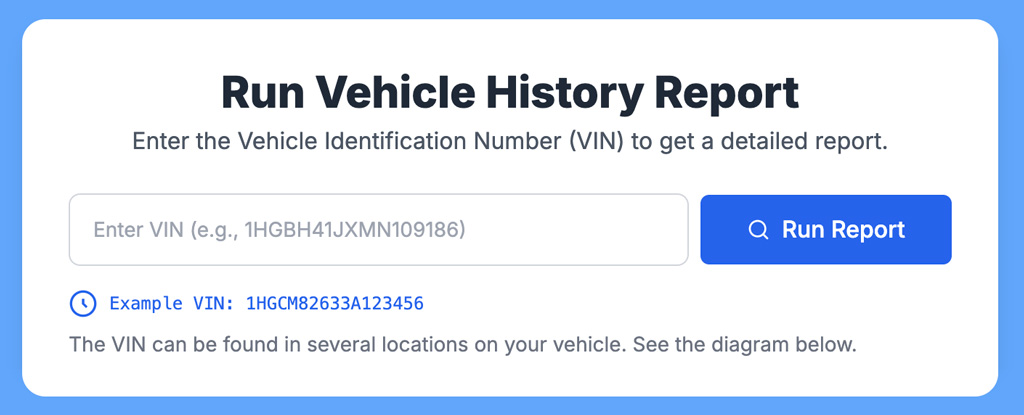
Obtain a VIN level vehicle history report to confirm title status, ownership history and reported service records before you visit a dealer. A vehicle history report can surface branded titles, reported accidents and ownership counts that materially change value Consumer Reports owner ratings.
Even with a favorable history report, plan a physical inspection. A history report reduces risk but does not replace a mechanic's check for wear and hidden damage.
When to get a pre-purchase inspection and how to interpret the results
Get a pre-purchase inspection from an independent shop experienced with European brands when you plan to spend more than you would on a mainstream compact SUV. The X3 tends to have higher than average repair and ownership cost compared with mainstream models, so an inspection helps estimate near term maintenance needs RepairPal reliability summary.
Ask the inspector to focus on engine oil leaks, turbocharger condition if present, and scheduled maintenance items. Use the inspection report to negotiate repairs or to prioritize listings that already addressed common issues.
Using pricing context and market tools to judge if a listing is fairly priced
Compare the listing against local market values and price analysis labels so you understand whether the asking price aligns with condition, mileage and trim. Market data suggests that 3 to 6 year old X3s often balance remaining useful life and depreciation, but local demand and trim availability can change the fair price KBB used car values.
Combine pricing context and market tools with VIN checks to prioritize which listings deserve in person inspections. This pairing helps you focus on listings that match both budget and verified condition before contacting the dealer.
Practical buyer scenarios: three examples of which year to pick
Example 1: Budget-minded commuter who keeps a car 5 years
A commuter who plans to keep an X3 for about five years can usually get the best compromise in a 3 to 6 year old X3, because those cars often avoid the steepest new car depreciation while still offering modern safety and convenience features KBB used car values.
For this buyer, prioritize a well maintained G01 example if possible, confirm service history, and insist on a VIN level vehicle history report before arranging an inspection.
Example 2: Family buyer prioritizing safety and low unexpected repairs
If safety and predictable ownership cost are the top concerns, favor G01 models from 2018 to 2021 that show completed recall remedies and detailed service records. Those years often include more advanced safety technology than many older X3 examples IIHS vehicle ratings.
Non negotiable checks here include a VIN recall check, a full vehicle history report, and a pre-purchase inspection that focuses on any prior structural or airbag repairs.
Quick VIN-level verification checklist for used BMW X3 listings
Use these steps before visiting a dealer
Example 3: Buyer wanting modern tech with moderate budget
Buyers who want newer infotainment and driver assistance often choose late G01 years or early examples of the newest generation. Expect a price premium for near new examples, and weigh whether the added tech is worth the extra depreciation.
For this buyer, confirm the exact trim and option list on the model year page and use pricing context to see if the listing's premium matches the local market demand.
For this buyer, confirm the exact trim and option list on the model year page and use pricing context to see if the listing's premium matches the local market demand.
Conclusion and clear next steps for buyers
Summary of key takeaways
The 2018 to 2021 G01 generation commonly balances improved safety features with lower depreciation than the newest X3 models, making those years a frequent practical sweet spot for many buyers IIHS vehicle ratings.
That said, recalls and investigations affect multiple model years, and aggregated owner reports note engine related complaints on some pre-2018 cars, so VIN level verification and a mechanic inspection remain essential before you buy NHTSA vehicle recalls and investigations.
Quick checklist to use on any listing
Check VIN recalls, order a vehicle history report, confirm service history, get a pre-purchase inspection, and compare the listing to pricing context or price analysis labels. Use these steps to reduce uncertainty before you contact a dealer.
Prioritize generation, powertrain and verified history over a simple model year headline when you evaluate listings.
You can save on purchase price, but aggregated owner reports show more engine and oil related complaints on several pre-2018 model years, so verify service history and get a VIN level vehicle history report before deciding.
The 2018-2021 G01 generation introduced updated crash protection and more available safety tech, which often improves the safety picture compared with many pre-2018 models.
Obtain a VIN level vehicle history report, verify title status and service records, run a recall check, and schedule an independent pre-purchase inspection.
Use generation, powertrain and verified vehicle history to guide your decision rather than a simple model year headline. Run the VIN checks and get an inspection to reduce risk before you sign a purchase agreement.
These steps can help you compare listings more confidently and prioritize the vehicles that best match your budget and ownership goals.


 Blog
Blog