Is 100k miles on a Camaro SS bad? A practical guide for buyers
A Camaro SS with about 100,000 miles is not automatically disqualifying; condition, service history, and documented repairs determine risk. This guide explains common wear items, how to check recalls and Technical Service Bulletins, a prioritized inspection checklist, cost patterns to expect after 100k miles, and a simple decision matrix to evaluate any camaro ss for sale.
A rav4 used for sale can be a sensible pick for many research-oriented buyers because reliability aggregators rate the model above average and safety ratings are generally strong. This guide explains how to vet listings, what model years tend to be better, and a step-by-step checklist to reduce risk before you buy.
This guide explains how to estimate the cost of buying an R34 Skyline, with attention to import rules, condition-driven price tiers and landed cost. It shows which factors move value, how to verify history and paperwork, and offers a checklist you can follow when you search for a nissan skyline r34 for sale.
This guide helps buyers set realistic expectations for tacoma trucks for sale by explaining the main price drivers and a repeatable method to build conservative, typical, and ambitious offer ranges. It shows how the 2024 redesign, valuation guides, and vehicle history reports interact to change asking prices and reduce purchase risk.
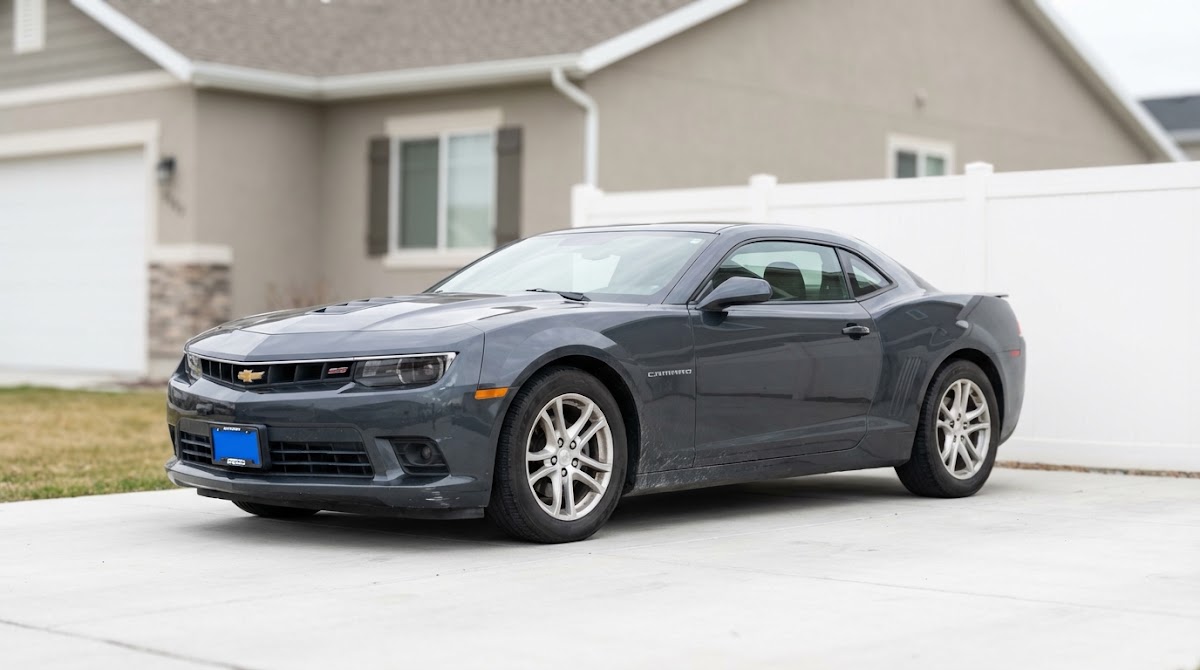
Many shoppers see a Camaro SS listed with about 100,000 miles and wonder whether the odometer makes the car automatically risky. The short answer is no. High mileage increases the probability of wear, but it does not always predict expensive or chronic failure. What matters most is maintenance, documented repairs, title status, and any signs of heavy use or modifications.
This article walks through how to interpret 100k miles on a Camaro SS, what parts are most likely to need attention, how to verify recalls and Technical Service Bulletins, a prioritized pre-purchase inspection checklist, and a simple decision matrix you can use to score any listing. Use the steps here with a vehicle history report to make a calm, evidence-based choice.
100k miles on a Camaro SS is a conditional signal, not a final verdict.
Service history and a clean inspection outweigh mileage for most buyers.
Check VIN-level recalls and TSBs to spot model-year issues before you buy.
Quick answer: Is a Camaro SS with 100k miles worth considering if you see camaro ss for sale?
Short verdict first: a Camaro SS at roughly 100,000 miles can still be worth considering, but the buy decision depends on verifiable maintenance history, evidence of no serious damage, and the results of a professional inspection. For many buyers, mileage alone does not answer whether a listing is a good value; service records and inspection findings matter more than the odometer.
This guide covers what to look for when you find a camaro ss for sale near 100k miles: typical wear items, how to check recalls and Technical Service Bulletins, a prioritized pre-purchase inspection checklist, how to estimate likely maintenance costs, and a simple decision matrix you can apply to a listing. Use the checklist with a vehicle history report to reduce uncertainty and compare listings more efficiently.
What this is not: an absolute pass or fail. Instead, the aim is to give clear steps so you can judge the specific car in front of you, not the model as a rule. The conclusions here are conditional and based on industry reliability summaries and buyer guidance.
Run a vehicle history report before you call the dealer
Before you call the dealer, run a VIN history check so you can confirm title status and reported service events that matter for high-mileage performance cars.
What 100k miles typically means for performance coupes like the Camaro SS
For V8 performance coupes, 100,000 miles is a common endpoint for several scheduled service milestones and for the appearance of wear in driveline and suspension components. A car maintained to factory service intervals often shows predictable wear items at this stage rather than sudden, model-wide failures. Reliability summaries compiled for the Camaro indicate average to above-average service expectations when owners follow proper maintenance, but the difference between a well maintained example and a neglected one is large; that difference is what determines purchase risk RepairPal Camaro overview.
Mileage by itself is incomplete because age, storage conditions, and the type of use change expected outcomes. A 100k-mile Camaro that was used mostly for highway commuting tends to have different wear patterns than one with frequent short trips, towing, or track use. A consistent service history and ownership records reduce uncertainty because they show how the car was driven and maintained.
General mileage context for V8 performance cars
V8 coupes like the Camaro SS typically require more frequent brake and tire service than smaller, lower-powered cars because of heavier weight and higher performance braking. Over time, suspension bushings, control-arm joints, and certain driveline seals can wear faster in spirited use, which matters when evaluating a high-mileage listing.
How use and maintenance change the meaning of 100k
Regular oil changes, timely transmission service if recommended, and records of any major service milestones shift a 100k-mile car closer to acceptable risk for many buyers. Conversely, missing records, signs of abuse, or aftermarket tuning usually increase the probability of near-term repairs.
Common wear and failure items on high-mileage Camaro SS models
Some model years show more transmission-related complaints and torque-converter issues than others; these are common topics in manufacturer complaint databases and reliability summaries, so pay attention to any history of transmission repairs on the VIN or in the listing description NHTSA vehicle listing.
Cooling system leaks, worn suspension bushings, ball joints, and frequent brake or rotor replacement are common maintenance items on high-mileage Camaros. Electrical accessories can also show age-related faults as a vehicle accumulates miles. These wear patterns are consistent across owner reports and inspection guides RepairPal Camaro overview.
Not automatically. The decision depends on service history, a professional inspection, recall and TSB checks, and whether the price reflects expected near-term maintenance.
Aftermarket tuning, track use, or heavy performance modifications accelerate wear on transmission and driveline components, brakes, and cooling systems. If a listing mentions tuning, performance chips, or track days, treat those as higher risk until verified by service records and a focused inspection Car and Driver buying guide.
Driveline and transmission issues
Transmission and torque-converter complaints can be among higher-cost repairs for some Camaro model years. Look for any mention of rebuilt transmissions, slipping, delayed engagement, or fluid-change intervals in both the listing notes and the vehicle history report, and plan to verify through a road test and inspection NHTSA vehicle listing.
Suspension, brakes, and general wear
Expect higher frequency of brake pad and rotor replacement, tires, and suspension bushings at high mileage. Visual inspection often reveals worn rubber components, torn boots, or uneven brake wear that point to needed service. These are normal long-term maintenance items but can add up if deferred Car and Driver buying guide.
Check recalls and Technical Service Bulletins before you buy
NHTSA recall and complaint records identify safety and reliability issues that are specific to model year and production runs, so always check those records for the Camaro model year you are evaluating. Recalls address safety-related repairs the manufacturer must fix, while complaint records can indicate recurring patterns that merit extra attention NHTSA vehicle listing.
Technical Service Bulletins are manufacturer communications that describe known issues and dealer repair procedures. They are not recalls but can show recurring problems dealers frequently address; a TSB on transmission or cooling systems is relevant to a car approaching 100k miles because it may point to repairs owners commonly need to perform NHTSA vehicle listing.
How NHTSA data and TSBs differ and why both matter
Recalls are mandatory safety fixes and will often appear as open or closed items on a VIN-level check. TSBs are guidance for technicians and may explain service patterns you see in maintenance records. Checking both gives a fuller picture of recurring model-specific issues so you know what to probe during inspection.
Steps to look up a VIN for recalls and TSBs
Practical steps: run a VIN on a manufacturer or government recall page, review NHTSA model-level complaint history, and ask the dealer for written confirmation that any open recalls have been addressed. Use a vehicle history report to confirm title status and reported recalls and service events before you invest time in a test drive NHTSA vehicle listing.
Pre-purchase inspection checklist for a Camaro SS near 100k miles
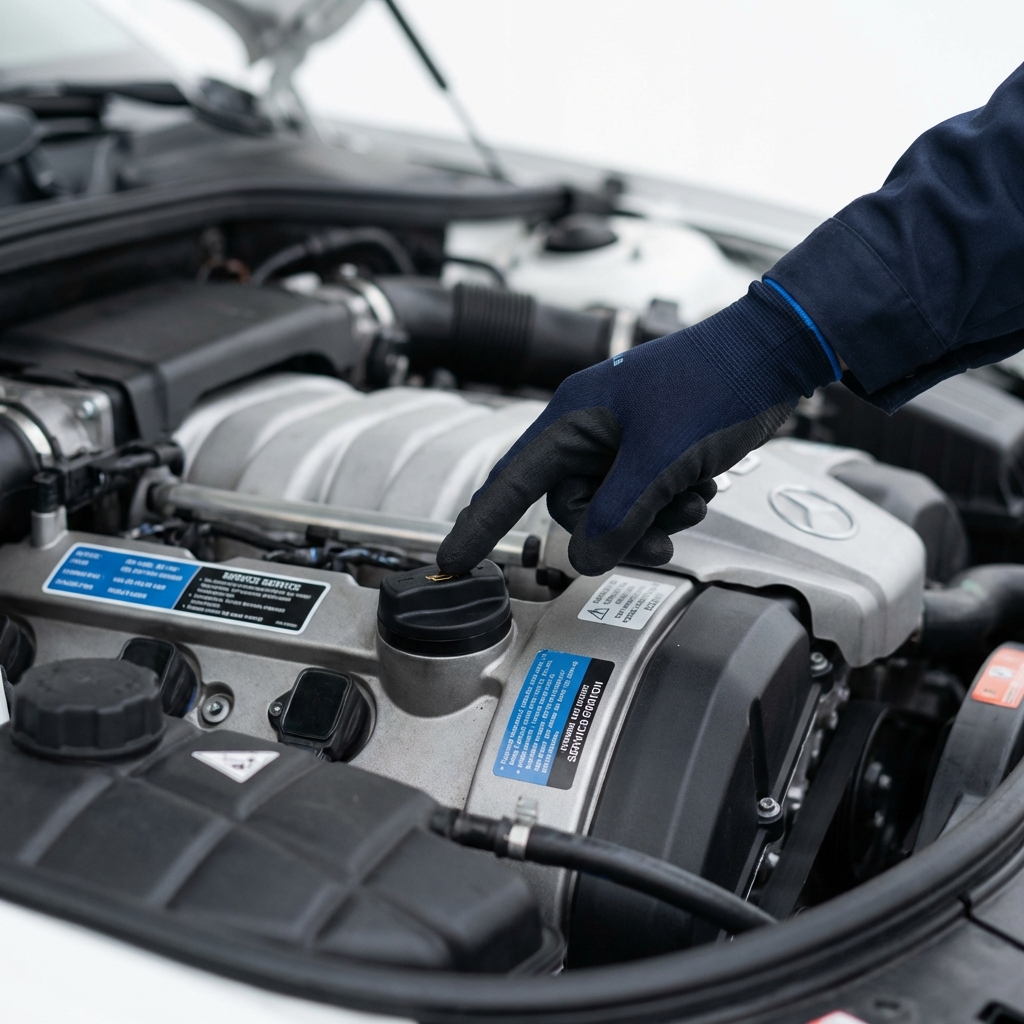
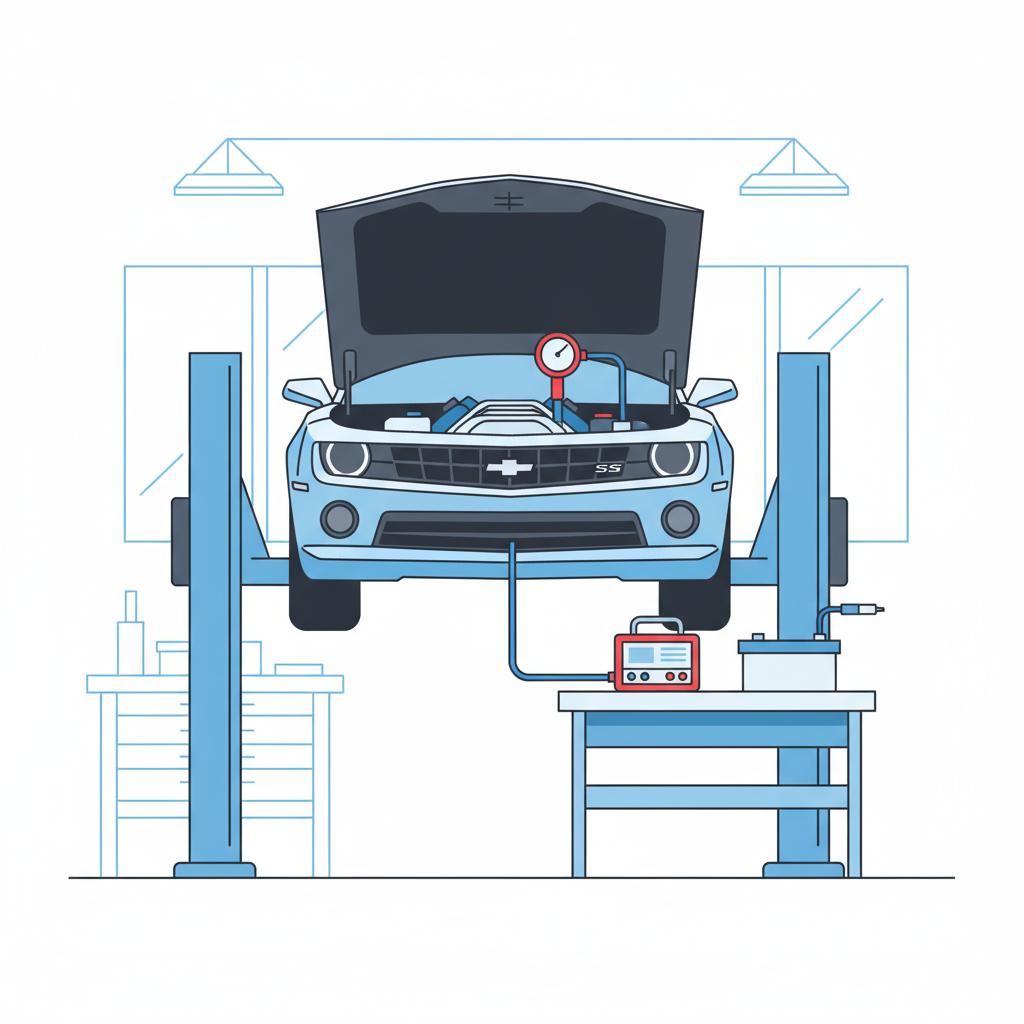
Prioritize these mechanical checks when you schedule an inspection: compression or leak-down test, inspection for oil and coolant leaks, transmission road test with attention to shift quality, differential and axle boot inspection, and a close look at corrosion or structural damage. These items help reveal the true mechanical state beyond surface cosmetics and can detect expensive impending repairs Car and Driver buying guide.
Always combine a professional inspection with a VIN-level vehicle history report to verify title status and recorded service events. The vehicle history report can show whether scheduled maintenance was reported and whether any accidents or title brands exist, which directly affects value and long-term risk.
Compression or leak-down testing evaluates engine health, especially for higher-mileage V8s where wear can reduce compression and performance. Confirm consistent compression across cylinders to rule out internal engine problems that are costly to repair Consumer Reports Camaro ratings.
Transmission checks should include a road test under load and a fluid inspection. Look for delayed engagement, slipping, or metallic debris in the pan if accessible. Differential and axle boot inspections reveal leaks or torn boots that can let lubricant out and contaminants in, leading to expensive rebuilds Car and Driver buying guide.
What a professional inspection should include
A technician should scan for stored fault codes, test drive the car in varied conditions, inspect suspension bushings and ball joints, verify brake rotor and pad wear patterns, and check for coolant or oil leaks around the engine and transmission. Corrosion and unibody damage checks help detect past accidents or structural problems not obvious in photos Car and Driver buying guide.
Ask the inspector to report findings in writing and, if possible, to estimate the remaining useful life for wear items such as brakes and tires. That written report helps you negotiate or walk away with concrete repair cost expectations documented.
How much might repairs and maintenance cost after 100k miles?
Common cost areas for Camaros at and beyond 100k miles are brake and rotor replacement, tires, suspension bushings, and occasional higher-cost driveline repairs such as transmission work. Local labor rates and regional parts pricing produce large variations, so use repair-cost aggregators to model expected expenses for your area Edmunds maintenance and repair costs.
Estimate near-term service and repair exposure for a high-mileage Camaro SS
Use local quotes to replace defaults
Edmunds and repair-cost sites can give typical replacement intervals and estimated labor time, which you can use with local shop rates to produce a rough short-term ownership cost. This helps when you compare listings that appear close in price but differ in likely immediate repairs Edmunds maintenance and repair costs.
For many buyers, the difference between accept and decline hinges on whether near-term, predictable maintenance can be budgeted and absorbed. If inspection reveals imminent costly repairs like a failing transmission, that often tips the decision to negotiate for repairs or walk away.
Typical cost patterns
Brake and tire work are frequent and predictable; suspension bushings and ball joints are common mid-cost repairs on high-mileage performance coupes. Occasional major driveline repairs, such as transmission service or differential rebuilds, are higher cost and less predictable. Repair-cost aggregators and total cost guides help quantify these patterns for local markets RepairPal Camaro overview.
How to estimate local totals
Steps to estimate local totals: use aggregator ranges for parts and labor as a baseline, call a trusted local shop for labor-hour estimates, and add contingency for unexpected discoveries found during inspection. Use the resulting total to adjust your offer if the listing price does not already reflect near-term work Edmunds maintenance and repair costs.
A simple decision matrix: Should you buy this camaro ss for sale at about 100k miles?
Use a three-factor rule: accept if service history is strong, pre-purchase inspection is clean, and the local price aligns with resale values; otherwise decline or negotiate for repairs. Weight each factor and score a listing to make consistent choices across multiple cars KBB used car values.
Scoring method example: give service history 40 percent weight, inspection result 40 percent, and price alignment 20 percent. A combined score above your acceptance threshold suggests moving forward; a low score suggests walking away or negotiating.
Three-factor rule
Service history is the most important single factor. A complete record of oil changes, documented transmission or differential service, and receipts for major repairs reduces uncertainty. A clean pre-purchase inspection that includes compression testing and transmission evaluation lowers the chance of surprise bills. Lastly, price alignment to local resale guides ensures you do not overpay for the risk you accept.
How to score a listing
Example scoring scenario: a listing with full service records, a clean inspection report, and a price slightly below KBB private party value scores high and is often worth an in-person test drive. If records are incomplete but inspection is clean, use the inspection and price to negotiate a lower offer. If inspection reveals issues or records are missing, plan to walk away or demand repairs before purchase RepairPal Camaro overview.
Red flags and common mistakes when evaluating a high-mileage Camaro SS
Red flags include branded titles, large gaps in service history, reports of track use, aftermarket tuning, or evidence of collision repair that is not fully documented. These raise long-term risk and can complicate insurance or resale Car and Driver buying guide.
Common mistakes are overvaluing cosmetic fixes, underestimating the cost of deferred mechanical service, or assuming that lack of listed problems means none exist. Always verify listings with a VIN-level vehicle history report and a thorough inspection before committing RepairPal Camaro overview.
How to read pricing and set a fair target for a camaro ss for sale at 100k miles
Compare the listing price to local resale guides such as KBB and consider the price analysis label the dealer or marketplace shows. Adjust for known near-term repairs from inspection and the vehicle history report to set a realistic offer range KBB used car values.
Factor in dealer transparency signals when present. Clear service documentation, responsive dealer answers, and a transparent dealer profile tend to reduce risk and can justify a smaller price margin compared to a listing with limited documentation.
Using local market context and price analysis labels
Price analysis labels give quick context but should not replace your own checks. Use them to narrow choices, then apply the inspection checklist and VIN checks to the finalists. If a listing is labeled as a fair deal relative to local comparables and inspection is clean, it is likely a reasonable purchase candidate.
When to negotiate or walk away
Negotiate if inspection reveals minor, budgeted items or if service records are partial. Walk away if inspection finds major unresolved mechanical issues, if title branding exists, or if the price does not reflect known repairs. Keep negotiations factual and based on documented inspection findings.
Real-world scenarios: three 100k-mile Camaro SS listings and what to look for
Scenario A: Clean history, full service records. The listing includes receipts for regular oil and filter changes, transmission service, and recent brake work. Inspection confirms no leaks and even compression across cylinders. With a price at or below local private party value, this case often warrants a serious offer and a test drive KBB used car values.
Scenario B: Partial records with mechanical notes. The car has several service entries but a gap between 60,000 and 85,000 miles. Inspection finds worn suspension bushings and tires near replacement. Use the inspection estimates to reduce your offer and require repair credits or dealer fixes before purchase.
Scenario C: Modified or track-used example. Listing notes performance tuning and aftermarket components. Inspection may reveal increased wear on transmission and brakes, and a vehicle history report could show race or salvage events. These cars can be appealing for enthusiasts but are higher risk for buyers who want predictable ownership costs Car and Driver buying guide.
How ownership history and title status change the recommendation
Single-owner cars with consistent service history usually carry less risk because ownership continuity makes it easier to verify how the vehicle was driven and maintained RepairPal Camaro overview.
Branded titles such as rebuilt or salvage increase both immediate and future costs and complicate insurance and resale. Always verify title status through a vehicle history report and state records before making an offer, and treat branded titles as a significant negative in your decision matrix Car and Driver buying guide.
Short checklist and next steps when you find a camaro ss for sale with about 100k miles
Immediate actions before contacting the seller: run a VIN vehicle history report, check NHTSA for recalls and complaint records for the model year, and review local price guides to set a target offer. Use the report to confirm title status and any reported accidents or service events NHTSA vehicle listing.
What to ask the seller or dealer: request documented service records, ask about any track use or tuning, and confirm whether any open recalls or dealer repairs remain unresolved. Get written answers where possible and bring the inspection checklist to the pre-purchase inspection appointment.
Run a VIN-level vehicle history report early.
Schedule a professional inspection that includes compression and transmission checks.
Estimate near-term repairs with local shop quotes and adjust your offer accordingly.
Summary: the honest takeaway on 100k-mile Camaro SS listings
Restated: the three-factor decision rule applies. Accept if the car has a complete service history, a clean professional inspection, and a price that reflects local resale values; otherwise decline or negotiate for repairs. This approach keeps the decision evidence based rather than emotional KBB used car values.
Always run VIN-specific checks for recalls and TSBs and use a vehicle history report to verify title status and reported repairs. Prioritize service history and a clean inspection over the raw odometer number when assessing any camaro ss for sale.
Not necessarily. Mileage alone is not decisive. A complete service history, a clean pre-purchase inspection, and no title branding usually matter more than the odometer reading.
Ask for documented service records, inquire about any track use or tuning, and confirm whether there are open recalls or outstanding dealer repairs. Request written responses when possible.
Price labels are useful for context but should not replace VIN checks and a detailed inspection. Use local resale guides and adjust for near-term repairs identified in inspection reports.
A 100k-mile Camaro SS can be a reasonable buy if the car comes with a full service history, a clean professional inspection, and a price that reflects known near-term maintenance. When in doubt, prioritize VIN checks and documented inspection findings and treat modifications or gaps in records as valid reasons to negotiate or step away.
If you follow the checklist and decision matrix here, you will make more consistent choices and reduce the chance of unexpected, costly repairs after purchase.

 Blog
Blog