Does car color affect trade-in value? — What buyers and sellers should know
A practical, data-aware look at whether car color affects trade-in value. This article walks through what matters most—market demand, model, condition, and regional trends—while showing how to use tools like CARFAX Deals and vehicle history reports to make smarter decisions when trading in or selling. Learn what colors typically hold value, how to price strategically, and simple steps to protect your trade-in's worth.
A rav4 used for sale can be a sensible pick for many research-oriented buyers because reliability aggregators rate the model above average and safety ratings are generally strong. This guide explains how to vet listings, what model years tend to be better, and a step-by-step checklist to reduce risk before you buy.
This guide explains how to estimate the cost of buying an R34 Skyline, with attention to import rules, condition-driven price tiers and landed cost. It shows which factors move value, how to verify history and paperwork, and offers a checklist you can follow when you search for a nissan skyline r34 for sale.
This guide helps buyers set realistic expectations for tacoma trucks for sale by explaining the main price drivers and a repeatable method to build conservative, typical, and ambitious offer ranges. It shows how the 2024 redesign, valuation guides, and vehicle history reports interact to change asking prices and reduce purchase risk.
Buying or trading a used car is about minimizing surprises. While colors catch the eye, the real drivers of value are condition, service history, and market demand. This guide explains where color matters, when it doesn’t, and how to use vehicle history tools and smart presentation to protect the value of your trade-in.
1. Neutral colors (white, black, silver, gray) are consistently easier to resell and often help secure slightly higher trade-in offers.
2. Poor-quality repainting or mismatched panels cost more in trade-in discounts than the car's original uncommon color would.
3. CARFAX Deals pairs verified vehicle history reports with price context—buyers using certified history data report quicker, more confident decisions and fewer surprises.
Does car color affect trade-in value? What buyers and sellers should know
Does car color affect trade-in value? It's a question many people ask when they're ready to trade in or sell a vehicle. The short answer: color can matter, but it's rarely the sole or decisive factor. In most cases, condition, maintenance history, mileage and model demand carry more weight than paint. Still, color can tip the scales in competitive situations - especially when many similar cars are on the market.
Color affects perception, resale desirability, and sometimes regional demand. A buyer walking into a dealer lot will often choose a car that feels current and clean. A neutral color can feel safer and easier to sell. But color alone rarely turns a good trade-in into a bad one; it usually nudges the final offer by a small percentage rather than by hundreds or thousands of dollars.
Below you'll find a clear guide to how color interacts with trade-in value, practical tips for sellers and buyers, and ways to use trusted tools to measure and protect value.
How color influences trade-in value: the mechanics
When dealers evaluate a trade-in they look at several objective factors first: title status, mechanical condition, mileage, service history, accident record, and how the car compares to current market demand. Color comes into play after those basics. Think of color as a tie-breaker or a crowd-pleaser: when two vehicles are otherwise similar, the one in a more popular or neutral color can be easier to resell.
Popular colors that generally help resale: white, black, silver, gray. These colors attract a wide audience, are easier to match for repairs, and tend to show wear less obviously in some cases. Less common or very bold colors - bright yellow, unusual custom shades, or flashy two-tone schemes - can narrow the pool of potential buyers and slow resale, which may lower the dealer's trade-in offer. See what Kelley Blue Book says about top colors Kelley Blue Book.
However, there are exceptions: for some sporty models or limited editions, unique colors can be a selling point and actually increase value. Conversely, an otherwise desirable car with poor-quality repainting or mismatched panels will reduce the trade-in offer because it signals past damage or sloppy repairs.
Regional and cultural differences matter
Color preference varies by region. In sunny climates, lighter colors that reflect heat (like white or silver) are often more popular. In colder, snow-prone areas, darker colors can look cleaner for longer when salt and grime are common - but they also show scratches more. Urban buyers might prefer compact, practical colors, while rural buyers could favor trucks in rugged or traditional tones.
Dealers price to sell where they operate. If a dealer expects to retail a car locally, they'll factor in what local buyers prefer. That means the same car in the same mechanical condition might fetch different trade-in offers in different markets because of color trends.
When color can be a real factor
Color affects trade-in value most when:
There are many similar cars available and the dealer must pick the most marketable one.
The color signals potential repair challenges - rare factory colors that are expensive to match can lower offers.
The paint job is low quality or mismatched, suggesting hidden damage.
The vehicle is a model where specific colors are in high demand (e.g., sports cars with manufacturer-offered performance colors).
In all other cases, color’s impact is limited and secondary.
Practical tips for sellers: maximize trade-in value regardless of color
No matter your car’s color, there are steps that protect and often increase trade-in value:
Keep it clean and presentable. A freshly washed and vacuumed car creates a much better first impression than one with visible dirt, and dealers often offer more for cars that look cared-for.
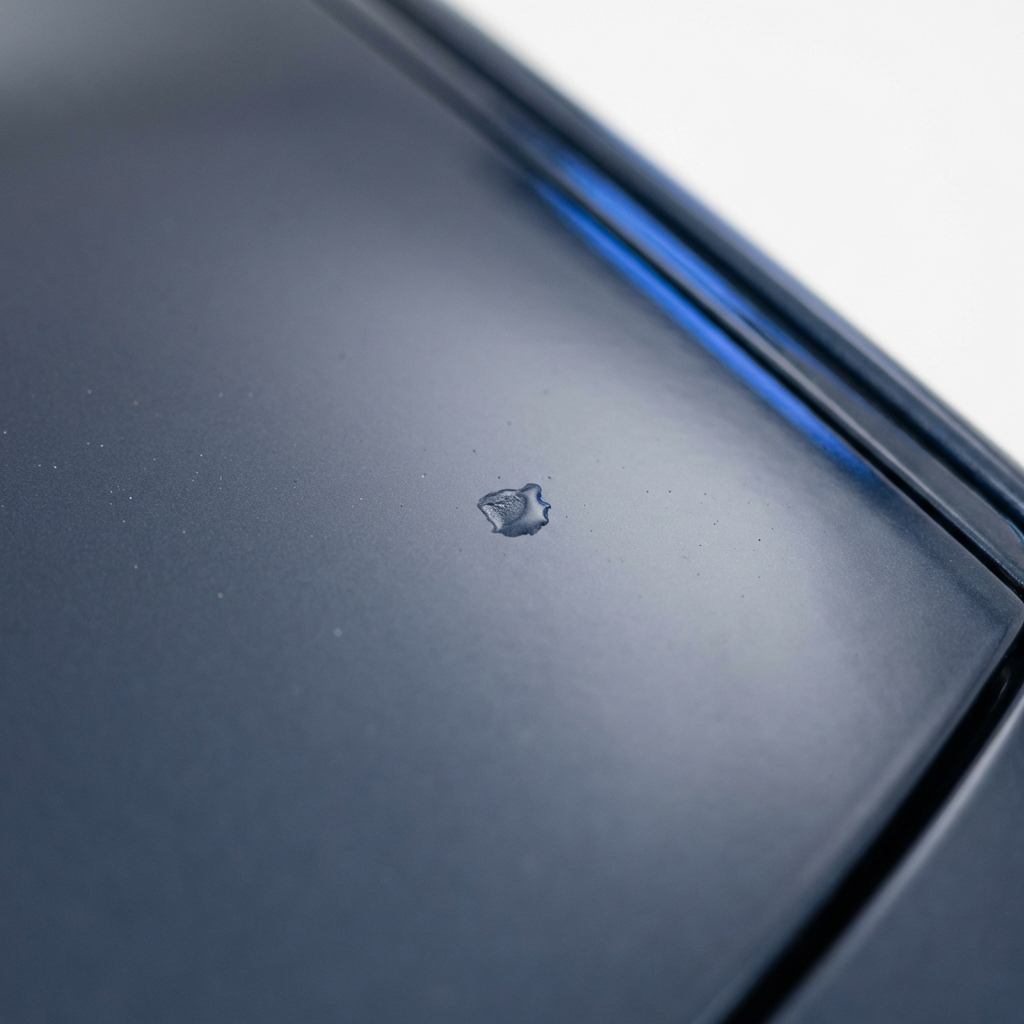
Fix small paint chips and scratches. Quick, inexpensive touch-ups can remove visual red flags that would otherwise reduce offers.
Provide a full maintenance history. A great service record trumps an odd paint choice every time.
Correct obvious body mismatches. If panels are different shades or there are amateur repairs, consider a professional respray for visible parts - or price honestly to reflect it.
Use demand to your advantage. If you live near a market that prefers your color, shop around for the best offer rather than accepting the first one.
If you want an easy way to compare offers while showing buyers that your car’s history is verified, consider running a trusted report like those available through CARFAX vehicle history reports. CARFAX Deals pairs listings with verified histories and market pricing context so sellers and buyers can make clearer choices.
Practical tips for buyers: does car color affect trade-in value for you later?
If you’re buying used and thinking about future resale, consider these points:
Choose a popular color if you want the easiest future sale. Neutrals keep options open.
Don’t overpay for a rare color expecting a premium later. Upside for unique colors is usually limited unless the model is collectible.
Check the paint quality. Poor repainting is a red flag for past damage.
Ultimately, your comfort and long-term intentions matter. If you love a car in a bold color and plan to keep it for many years, the color won’t hurt you the way it would a short-term flipper.
Does car color affect trade-in value? - The numbers and examples
Hard data on color impact can be sparse because dealers rarely publicize how they weight color specifically. But industry patterns suggest color differences usually translate to small percent changes in resale price - often in the low single digits. That means on a $20,000 vehicle color might influence trade-in value by a few hundred dollars rather than thousands in most situations. Some reporting even notes that in certain datasets yellow cars have retained value better - see the Fox59 article.
Examples:
A common sedan in white vs. a rare custom purple: white is likely easier to sell and might get a slightly higher offer. Purple could take longer to move and might lead to a lower trade-in estimate.
A limited-edition sports car with a factory-only performance color: the rare color might actually add value to the right buyer.
Any car with a poor repaint after an accident: dealers will discount offers because repainting often signals structural or accident history.
So while color matters, it’s one factor among many - and often not the most important.
How dealers evaluate trade-ins step by step
Understanding the dealer perspective helps you make better choices:
Initial screen: Year, make, model, mileage, visible condition, and title status.
Vehicle history check: Accident records, title brands, service history.
Physical inspection: Mechanicals, tires, brakes, and paint/body condition.
Market analysis: How similar cars are priced locally and online; color is one variable here.
Offer calculation: Dealer estimates wholesale value minus reconditioning costs and margin; color adjustments are applied at this stage.
Because the dealer’s job is to minimize risk and maximize resale potential, anything that increases time on lot - like an unpopular color - can lead to a lower trade-in figure.
Repairing or repainting: worth it or not?
If your car’s color is unique or has damage, should you repaint before trading in? Generally:
Small scrapes and chips: fix them. They’re inexpensive and improve first impressions.
Large mismatched panels and poorly matched resprays: get quotes. A professional, well-matched repair can help. A bad DIY respray will not.
Full color change: rarely worth it purely for trade-in unless the repaint is also part of restoring a collectible or highly desirable model.
Dealers are more willing to accept standard factory colors and quality finishes. If repainting costs more than the likely increase in trade-in value, skip it and instead use the lower offer to negotiate or sell privately.
Private sale vs. trade-in: color matters more for private buyers
If you sell privately, color can have a bigger influence because private buyers may be searching for a specific look. Some buyers will pay more for a color they love. That said, the private market also narrows the buyer pool - an unusual color might attract a smaller but more enthusiastic buyer and could sometimes fetch a higher price.
Trade-in convenience trades value for speed. Dealers often give lower net offers than private sale prices because they need margins and will bear the risk of resale. If your car is in a color with niche appeal, consider testing the private market if you have time and patience.
Seasonal and trend effects
Color popularity shifts over time. What’s fashionable now might not be later. For example, certain SUVs saw spikes in demand for earth tones as outdoor-lifestyle branding grew. Trends ebb and flow, so if you’re planning to sell within a short period, current local demand will matter more than long-term trends. For a deeper look at how hot hues and cold colors affect resale, see this Forbes analysis.
That said, neutral colors remain consistently popular - and that stability is valuable for resale.
How to present color advantages to a dealer
If your car is in a color that helps its marketability, highlight that in conversation. Mention that it matches common fleet or regional preferences, or that it’s an original factory color in good condition. Show photos in sunlight. Presentation can make a difference.
Using data to measure color impact
Platforms that combine vehicle history with pricing context - like CARFAX Deals - make it easier to assess whether similar cars in your area are selling faster or at higher prices when painted certain colors. That concrete market context turns color from an abstract factor into something measurable.
If you want evidence beyond gut feeling, use listing sites and tools to compare selling prices for cars in different colors. Look for the same make, model, year, and trim in different colors and compare final sold prices or how long listings stayed active. You can also review listings on our blog to get local examples and pricing context.
Negotiation scripts: talk about color the right way
When you trade in, use facts not emotions. Try lines like:
"This is the original factory paint and it’s in good condition - service records are available."
"I checked similar listings in our area and cars in this color are moving quickly."
"If you have any concerns about the repaint, I can show receipts and the repair shop’s notes."
These statements position you as informed and calm, which helps get a fair offer.
Quick checklist before you accept any offer
1. Verify title is clean and the VIN matches the report. 2. Confirm service history and recent maintenance. 3. Note paint condition and any mismatch - get photos. 4. Compare dealer offer with private sale estimates. 5. Ask what reconditioning they plan and how it affects the final trade-in number.
Main question
Between two similar cars, which small detail makes them sell faster - color, or something more obvious like recent service?
Maintenance history almost always matters more. A clean service record and verified vehicle history will beat color as the deciding factor because they reduce buyer risk and uncertainty.
Most often it’s recent service and clear maintenance history. Color helps, but a well-documented service record and clean vehicle history almost always beat color when buyers and dealers choose between otherwise similar cars.
How to use a vehicle history report when color raises questions
If you see signs of repainting or mismatched panels, run a vehicle history report and ask for repair records. A reputable report - paired with a mechanic’s inspection - will reveal whether repainting followed an accident and whether structural work was done. That context matters far more than color alone.
Real-world anecdote: a color that cost confidence
A driver traded an older sedan in a striking orange after a local bike shop mistakenly left paint marks that were partially sanded and poorly retouched. The dealer discounted the offer for repainting cost and for the uncertainty about previous damage. The lesson: visible, poorly done paintwork is a red flag, even if the color itself isn’t the issue.
When a unique color helps value
Collectors and enthusiasts look for originality. A rare factory color on a sought-after model can increase value - especially if it’s documented and original. In those cases, the color is a feature, not a flaw. But such situations are the exception rather than the rule.
Final practical example: two trade-in scenarios
Scenario A: A common sedan, 60,000 miles, silver, full service history, clean title. Dealer offers solid retail margin and resells quickly. Scenario B: Same sedan, 60,000 miles, custom bright blue with patchy repaint and no service records. Dealer discounts for repaint cost and risk. The difference usually comes from repair and history concerns, not color preference alone.
Key takeaways
1. Color matters, but it’s rarely decisive. Condition, history, and demand matter more. 2. Neutral colors are consistently easier to resell. 3. Poor or mismatched paint lowers offers more than an unusual but clean factory color. 4. For limited or collectible cars, original, rare colors can add value. 5. Use verified vehicle histories and local market data to measure color’s real effect.
Where to go from here
If you’re preparing a trade-in, start by cleaning the car, documenting service, fixing small chips, and getting a vehicle history report. Compare dealer offers and private sale prices, and remember - you can always walk away if an offer doesn’t reflect the evidence you’ve collected.
Strengthen your trade-in with a verified vehicle history
Want a clear way to show a buyer your car's history and price it right? Run a trusted vehicle history report and get pricing context to strengthen your trade-in position: Run a CARFAX report.
Color influences trade-in value mostly as a secondary factor. A neutral, well-maintained finish helps speed resale. A poor repaint or mismatched panels dent confidence. For most drivers, focusing on maintenance, a clean title, and clear documentation produces far greater returns than a color change ever would. Use market data and vehicle history reports to measure real effect in your local area.
Above all: present your car well, be ready with facts, and use trusted tools to back up your asking price.
Small, professional touch-ups for chips and scratches often improve first impressions and can slightly increase a trade-in offer. Full color changes or expensive resprays are rarely worth the cost purely to boost trade-in value unless the repaint corrects low-quality repairs or restores a collectible model. Dealers prioritize condition, history, and marketability—so only repaint if the likely value gain exceeds the repaint cost.
Yes, in some cases. For collectible, limited-edition, or performance models, an original rare factory color can be a selling point and sometimes increase value to the right buyer. For ordinary models, however, uncommon colors usually narrow the buyer pool and may lower trade-in offers because they can be harder to resell.
Provide documentation whenever possible: factory build sheets, service records that mention paint or body work, and receipts for any professional repairs. Run a vehicle history report to check for accident records and have an independent mechanic inspect the car. A clean vehicle history and a mechanic's note that bodywork was cosmetic (not structural) will help dispel concerns.
Color can nudge trade-in value, but condition, maintenance history and market demand matter far more—so focus on clean presentation and verified history, and happy motoring!


 Blog
Blog