What year to stay away from a Honda CR-V? A practical 2026 used-buyer's guide
Looking at used CR-Vs can be efficient when you know which years tend to show more problems. This guide flags the 2017 to 2019 CR-Vs for 1.5-L turbo oil dilution and calls out some early 2010s fourth-generation models for transmission or CVT complaints. Use VIN-level checks, vehicle history reports, and a mechanic inspection before you buy.
This article explains why retail asking prices for used trucks often sit above reference values like the Kelley Blue Book retail estimate and gives a step-by-step method to convert a KBB baseline into a realistic out-the-door cost. It shows how dealers commonly add Additional Dealer Profit and other line items, and how verified vehicle history reports can help buyers spot unexplained markups.
A step-by-step workflow for estimating a truck's market value that centers on comparing consumer valuation tools, adjusting for mileage and condition, and checking wholesale market signals. The guide explains private-party, trade-in and dealer retail values and shows how a vehicle history report and pricing insights can change an asking price.
This guide helps research oriented buyers evaluate suv used cars for sale under $25,000 by combining safety ratings, reliability data, local pricing context, and vehicle history checks. It outlines a simple framework, a pre visit checklist, and a decision scoring worksheet so you can compare finalists before contacting a dealer. Use the steps here to narrow candidates and confirm risk signals with a vehicle history report and a pre purchase inspection.
Buying a used Honda CR-V can be straightforward if you know which years to scrutinize and what to look for on a test drive. This guide highlights common problem patterns by generation, explains practical inspection steps, and points to VIN-level checks you should run before you visit a seller.
We focus on the most commonly reported trouble areas through 2024 so you can prioritize a vehicle history report, recall lookup, and a mechanic inspection. Use the steps here to reduce uncertainty and compare listings on documented risk and price context.
2017 to 2019 CR-Vs with the 1.5-L turbo are most often cited for oil dilution and hard-start complaints.
Early 2010s fourth-generation CR-Vs can show clustered transmission or CVT service reports.
VIN-level recall checks and vehicle history reports should guide any final purchase decision.
Short answer: which Honda CR-V years to be cautious about
Quick verdict by model year range
If you are searching for a honda crv used for sale, treat 2017 through 2019 as the years most often flagged for 1.5-L turbo oil dilution and related starting or turbo complaints, based on aggregated owner reports and reliability summaries RepairPal overview
Some earlier fourth-generation CR-V model years in the early 2010s also show clustered transmission and CVT complaints, so those model years deserve focused transmission checks before purchase CarComplaints owner reports
Run a VIN check and view pricing context
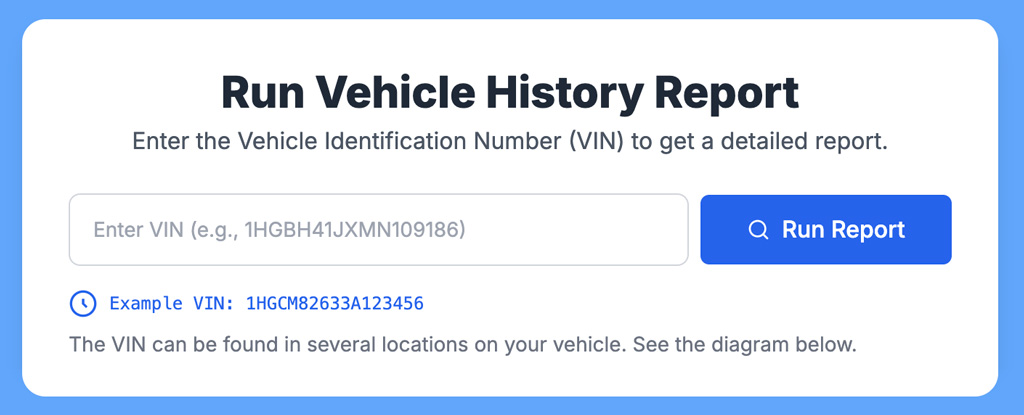
Run a VIN check and view pricing context before you visit the seller. It can help surface open recalls and service entries without assuming the vehicle is problem free.
These short recommendations are meant to steer your inspection focus, not to replace VIN-level verification. NHTSA records and owner-aggregated sites show recall and complaint patterns that vary by VIN and trim, so a clean year-level view is only a start NHTSA vehicle page
Always pull a vehicle history report and confirm any open recalls before you make a decision. That step may reveal seller disclosures, prior repairs, or title flags that change the risk calculus.
Why model year and generation matter for the CR-V
Generational changes in powertrains and transmissions
Honda moved from the fourth generation to the fifth generation with notable changes to engines and transmission options, and those changes affect common failure patterns. Fourth-generation CR-Vs often shipped with older automatic setups while the fifth generation introduced the 1.5-L turbo and updated CVT calibrations.
Because the 1.5-L turbo was new to some markets and later software updates changed behavior, model year boundaries matter when you compare listings and service histories Consumer Reports reliability page
Safety and equipment differences by year
Safety equipment and crash-test performance evolved across generations. Newer trims and later years commonly add active safety assists that older trims lack, so a model year alone does not guarantee specific features are present.
Check the exact trim and safety-package options on the listing and confirm active features on the vehicle itself. For crash-test context, consult the IIHS ratings for the exact model configuration IIHS ratings
Known trouble areas by generation: a quick map
Fourth generation: transmission and CVT focus
Early 2010s fourth-generation CR-Vs most commonly produce transmission-related complaints, typically requiring diagnostics or service to resolve shifting or shudder symptoms.
When a listing is an early 2010s model, prioritize transmission behavior in your test drive and consider a professional diagnostic scan if anything feels off RepairPal overview
Fifth generation: 1.5-L turbo era and updates
The fifth generation introduced the 1.5-L turbocharged engine in many markets, and owner reports concentrate on oil dilution, hard starts, and turbo-related complaints in 2017 to 2019 examples.
Later model years and software updates may have reduced some symptoms, so treat post-2019 cars as potentially improved but still verify the VIN history and service record before relying on that assumption CarComplaints owner reports
Other recurring categories
Across multiple years buyers report electronics and infotainment fixes as a common minor repair category. These issues are typically less threatening to safety but can add to ownership cost and annoyance.
Engine oil-system interventions and periodic maintenance items also show up frequently on aggregated repair sites, and they are worth checking against the vehicle service history RepairPal overview
Deep dive: what owners report about 2017 to 2019 1.5-L turbo CR-Vs
For a used buyer, the practical consequence is a higher chance of engine or turbo-related service needs if dilution has been recurring; a mechanic can test oil condition and inspect for fuel contamination and related wear CarComplaints owner reports
What owner-aggregator sites document
Aggregated sites collect owner reports and typical repair categories and show a higher volume of reports for the 2017 to 2019 1.5T era compared with some other years. Use those summaries to decide which systems to probe during inspection.
They are useful starting points for a VIN-level check and for planning a focused inspection, but you should confirm any finding with specific VIN data and a mechanic assessment RepairPal overview
Transmission and CVT issues: what to expect and test for
Model years with more CVT/transmission reports
Some fourth-generation CR-V years in the early 2010s show clustered transmission or CVT complaints that often required service and diagnostics, so be wary of listings from those ranges and prioritize transmission verification.
When a listing falls in that range, ask for service records that show transmission fluid changes, diagnostics, or software updates where applicable Consumer Reports reliability page
On the road, check for hesitation under load, delayed engagement, shuddering at low speeds, or odd noises during upshifts and downshifts. Try varying throttle while climbing a gentle hill to see if the transmission hesitates.
If you notice hesitation or shuddering, stop the test and flag the vehicle for a diagnostic scan; those symptoms often need professional evaluation before a purchase moves forward RepairPal overview
When to insist on a mechanic check
If recorded complaints, service gaps, or test-drive behavior suggest transmission risk, insist on a pre-purchase inspection that includes a transmission diagnostic scan and a fluid condition check.
Transmission or CVT repairs can materially affect total cost to own for older cars, so budget for a professional check rather than relying on a seller assurance Consumer Reports reliability page
Recalls and investigations: why VIN-level checks are essential
How to read an NHTSA recall listing
NHTSA recall pages list recall and investigation campaigns by model year and VIN scope; an open campaign may affect only specific VIN ranges or particular options, so a year-level check is not sufficient on its own.
Before you buy, use the vehicle VIN to confirm open recalls and then request proof of completed repairs or dealer service records when applicable NHTSA vehicle page
What recalls and investigations have covered for CR-Vs
CR-V recalls have covered both safety and non-safety items across several years, and open campaigns can appear on older or newer units depending on the affected component. That variability makes the VIN lookup step essential.
Always verify completion of recall work with service paperwork or a dealer certification where possible to reduce the chance of buying a vehicle with outstanding campaigns.
Step-by-step framework to evaluate a specific CR-V listing
Step 1: confirm year, trim, powertrain and ask for VIN
Ask the seller for the exact model year, trim, and powertrain, and request the VIN before you visit. Exact trim and powertrain determine what features and potential issues apply to that vehicle.
The years most often flagged are 2017 to 2019 for the 1.5-L turbo and some early 2010s fourth-generation models for transmission issues, but always verify with a VIN-level vehicle history report and a pre-purchase inspection.
Step 2: check vehicle history report and price analysis label
Obtain a vehicle history report to review title status, ownership history, accident entries, and service records. Combine that with a price analysis label to decide whether the listing’s price reflects its condition and history.
Price analysis labels and history details can help you prioritize listings and avoid ones with unresolved risk signals RepairPal overview
Step 3: verify recalls, maintenance, and get a pre-purchase inspection
After the VIN check, confirm any open recalls and request maintenance receipts for major services. If the vehicle has the 1.5-L turbo or shows transmission flags, schedule a pre-purchase inspection that focuses on oil dilution, turbo condition, and transmission diagnostics.
Use the inspection results and the vehicle history report together to decide if the asking price and expected repair reserves make sense for your budget and risk tolerance NHTSA vehicle page
What to look for in a vehicle history report for CR-Vs
Key fields: title status, ownership history, service history
On the report, confirm title status and look for salvage, branded, or lemon history entries. Single-owner records and consistent maintenance entries tend to lower uncertainty, while gaps in service or multiple owners increase it.
Service stamps and recorded maintenance entries are especially useful if you want to verify routine oil changes and turbo service where applicable CarComplaints owner reports
Interpreting accident and mileage entries
Small incidents may not disqualify a car, but pay attention to structural repairs, frame damage, or odometer discrepancies. Mileage checks should match maintenance stamps and service dates when possible.
Large gaps between service entries or mileage inconsistencies can indicate missed maintenance that raises repair risk and ownership cost RepairPal overview
How history affects price analysis labels
Price analysis labels typically factor in title status, accident history, and comparable local market listings. A listing with a clean title, single owner, and regular service history often receives a more favorable label.
Use those labels as context, not proof; always confirm the underlying report entries before you rely on the label in negotiation discussions.
Typical repair categories and cost impacts for older CR-Vs
Engine and oil-system repairs
Engine and oil-system interventions are commonly reported for the 1.5T era and older engines, and they can range from diagnostic work to oil-service-related repairs if dilution or contamination is present.
Because these repairs can be costly depending on severity, factor potential engine work into your total cost to own estimate rather than assuming routine maintenance will suffice RepairPal overview
Transmission and CVT service costs
CVT and transmission diagnostics or repairs, especially on older fourth-generation examples, can be meaningful on the cost side. Diagnostics often reveal whether a fluid change, software update, or mechanical repair is needed.
Include reasonable repair reserves in your negotiation if a vehicle is in a model-year range known for transmission complaints CarComplaints owner reports
Electronics and infotainment fixes
Electronics and infotainment issues commonly appear as minor but frequent repairs. They tend to be lower in direct repair cost than driveline problems but can erode ownership satisfaction.
Check that the listed vehicle’s infotainment, cameras, and ADAS indicators function on a test drive and confirm related service entries where present RepairPal overview
Safety features and crash-test changes across CR-V years
Which safety equipment changed by generation
Active safety systems such as automatic emergency braking, lane-keep assists, and adaptive cruise control were added or improved across model years and trims, so a later year or higher trim often includes more features.
Reference IIHS pages for crash-test context and verify the actual vehicle has each active feature listed on the trim sheet IIHS ratings
How to verify safety options on a listing
Ask the seller to confirm package content and show the feature functioning during the test drive. For added certainty, look for service records that reference ADAS calibrations or sensor repairs.
Do not assume a trim badge guarantees every option; verify the hardware is present and working on the car you will buy.
Common buyer mistakes and how to avoid them
Relying only on photos and seller claims
Photos and seller descriptions can be incomplete or omit service gaps. Always request the VIN and a vehicle history report before making a site visit to reduce surprises.
Even when a listing looks clean, a report can reveal prior repairs or title events that change how you approach inspection and negotiation RepairPal overview
Skipping VIN-level recall checks or a mechanic inspection
Skipping VIN checks or mechanic inspections is a common mistake that raises purchase risk. Use the VIN to confirm open recalls, then verify recall completion through dealer paperwork when possible.
A pre-purchase inspection is especially important when the listing falls into a model-year range known for turbo or transmission reports NHTSA vehicle page
Assuming a later year always fixes earlier problems
Later model years often include updates, but that does not guarantee every vehicle in a later year is free of the earlier problem; verify the VIN-level service history and any TSBs or software updates that may apply.
Use documented maintenance and completed recall records as confirmation that an update was applied to the specific VIN you consider.
Inspection checklist: what to test on a drive and what to ask the seller
Engine and turbo checks
On cold start, note cranking time, idle stability, and any smoke. Listen for unusual turbo noises and look for oil smell that could suggest contamination or dilution. Ask for oil-change receipts and any turbo-related service records.
Having a mechanic sample the oil for smell and basic condition can help decide whether a deeper diagnostic is needed CarComplaints owner reports
Transmission and shifting checks
Test for smooth engagement from a stop, no shuddering at low speed, and consistent response under load. If anything feels off, do not proceed without a diagnostic scan and a fluid condition check.
Photograph or record any unusual noises during the drive and insist the seller disclose transmission service history if present RepairPal overview
Documentation and service-record questions
Request VIN, complete service receipts, proof of recall repairs, and documentation of any major work. Compare service dates with mileage stamps to spot inconsistencies.
If the seller cannot provide records that line up with the mileage, treat that as a risk signal and consider walking away or adjusting your offer accordingly.
Practical scenarios: choosing a CR-V by buyer profile
Family commuter on a budget
If you need a reliable daily family commuter, favor non-turbo or later-updated model years with documented maintenance and no open recalls. A single-owner vehicle with regular service entries will usually reduce uncertainty.
Pay for a pre-purchase inspection focused on brakes, suspension, and any driveline checks relevant to the model year you consider Consumer Reports reliability page
Buyer prioritizing long-term resale and reliability
For long-term resale, prefer model years with fewer owner complaints and documented software or mechanical updates for known issues. Verify maintenance and recall completion closely for peace of mind.
Use price analysis labels and vehicle history reports to compare similar listings in your area before making an offer RepairPal overview
Buyer focused on low upfront price
If minimizing upfront cost is the priority, accept that you may need a larger repair reserve. Budget for potential turbo or transmission work when shopping older model years, and insist on a thorough inspection.
A clear vehicle history report and a fair price analysis label can help you decide whether the immediate savings offset likely near-term repair costs CarComplaints owner reports
Conclusion: practical recommendations and final checks before you buy
Summary of years to be cautious about
In short, 2017 to 2019 CR-Vs with the 1.5-L turbo are the most frequently reported for oil dilution and related starting or turbo complaints, while certain early 2010s fourth-generation CR-Vs show clustered transmission or CVT issues.
These year-level signals can guide inspection focus but do not replace VIN-level checks, vehicle history reports, or a targeted mechanic inspection RepairPal overview
Final pre-purchase checklist
Before you buy: get the VIN, run a vehicle history report, verify open recalls and completed recall work, review maintenance records, schedule a pre-purchase inspection for turbo and transmission concerns, and use pricing context to set a repair reserve.
Using these steps consistently can reduce uncertainty and help you compare listings based on documented risk rather than year alone.
Owner-aggregated reports point to 2017 through 2019 CR-Vs with the 1.5-L turbo as the period with the highest volume of oil dilution and related starting or turbo complaints.
Not necessarily; some early 2010s fourth-generation CR-Vs show clustered transmission or CVT complaints, so focus on test-drive behavior, service records, and a diagnostic inspection rather than rejecting a year automatically.
Obtain the VIN and run a vehicle history report, then confirm open recalls and schedule a pre-purchase inspection targeted to any flagged systems.
Always confirm the vehicle’s VIN history, completed recall work, and maintenance records before committing. A focused pre-purchase inspection for turbo and transmission concerns can save money and time compared with discovering issues after purchase.
If you follow the VIN check, history review, and inspection steps, you will be better positioned to judge whether a specific CR-V listing fits your budget and tolerance for repair risk.


 Blog
Blog