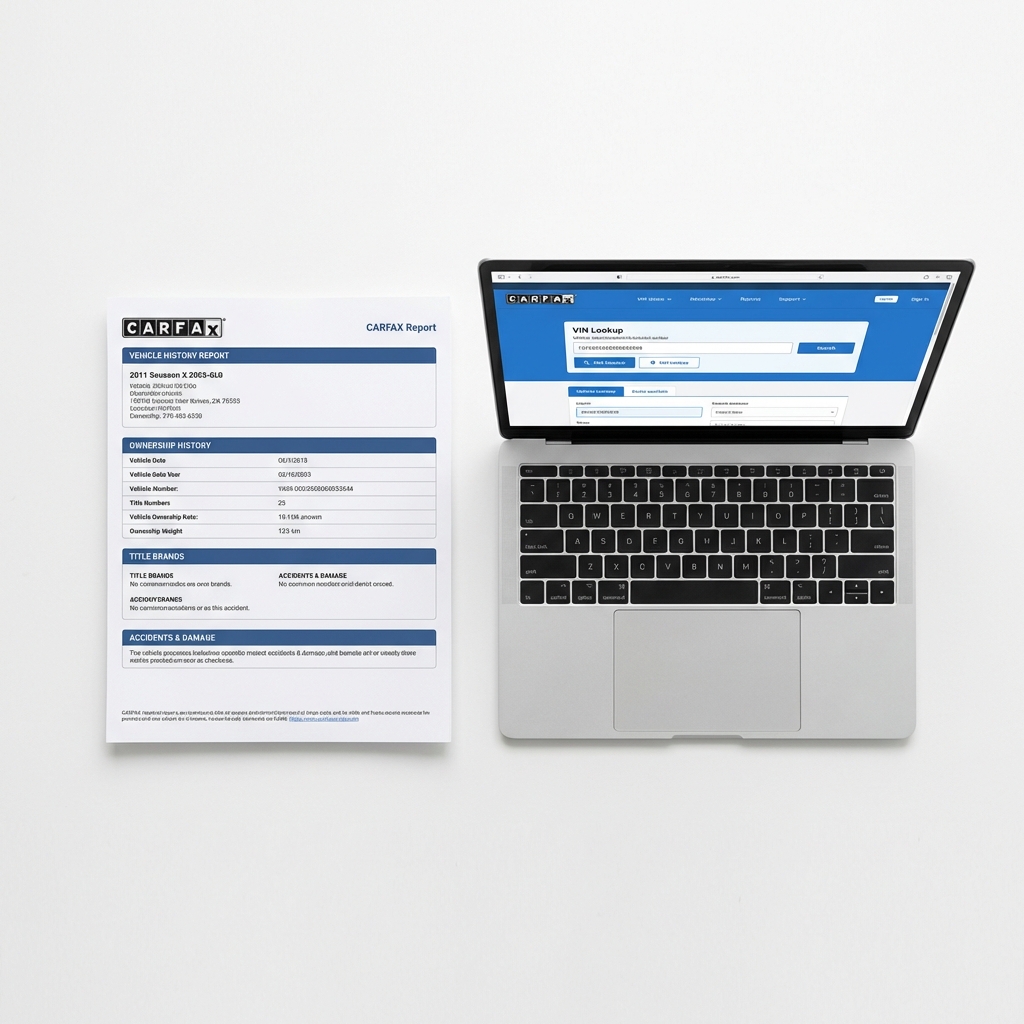
Learn step-by-step how to run a VIN lookup and read a CARFAX report so you can buy a used car with confidence. This practical guide explains what a CARFAX report includes, how to interpret title brands and mileage flags, where CARFAX data comes from, limits of the report, and how to use CARFAX Deals to find verified listings. Includes a simple VIN-check workflow, negotiation tips, inspection checklist, and answers to common buyer questions.
A rav4 used for sale can be a sensible pick for many research-oriented buyers because reliability aggregators rate the model above average and safety ratings are generally strong. This guide explains how to vet listings, what model years tend to be better, and a step-by-step checklist to reduce risk before you buy.
This guide explains how to estimate the cost of buying an R34 Skyline, with attention to import rules, condition-driven price tiers and landed cost. It shows which factors move value, how to verify history and paperwork, and offers a checklist you can follow when you search for a nissan skyline r34 for sale.
This guide helps buyers set realistic expectations for tacoma trucks for sale by explaining the main price drivers and a repeatable method to build conservative, typical, and ambitious offer ranges. It shows how the 2024 redesign, valuation guides, and vehicle history reports interact to change asking prices and reduce purchase risk.
Buying a used car can feel uncertain—beautiful photos don’t reveal everything. This guide explains, in plain language, how to run a VIN lookup and read a CARFAX report so you can spot red flags, verify title histories, and use verified marketplaces like CARFAX Deals to prioritize listings worth your time.
1. A CARFAX report aggregates over 20 categories of vehicle data—accident records, title brands, service history, and odometer checks.
2. Run a VIN lookup before you travel: a report can save hours of time and prevent costly mistakes like buying flood-damaged vehicles.
3. CARFAX Deals pairs verified vehicle history reports with transparent price labels—helping buyers quickly find well-priced, lower-risk cars.
How do I look up a CARFAX report?
Buying a used car can feel like stepping into a story you didn’t start reading—beautiful cover, glossy photos, but the inside pages hold the surprises. A CARFAX report helps you read those pages. It gathers records tied to a vehicle’s VIN and shows accident history, title brands, ownership, service entries and mileage checks so you can make smarter choices before you spend time or money.
Below you’ll find a friendly, practical walkthrough: how to get a CARFAX report, how to read the key sections, what to do when you see red flags, and how to use verified marketplaces to narrow your search. This guide is written for shoppers who want clear, usable steps—not jargon.
First, quick guidance before the details: get the VIN, run the report, match the VIN to the title, and use the facts the report provides to shape your inspection and negotiation. Treat the CARFAX report as a powerful tool, not a final verdict.
If you want a fast and trustworthy starting point, consider a marketplace that pairs verified CARFAX reports with pricing context—for example, you can run a CARFAX report on CARFAX Deals to see both the vehicle history and how the asking price compares to the local market. That combination makes your research much faster and helps you prioritize which cars deserve an in-person look.
Now let’s walk through the steps and the details that will actually help you spot problems and feel confident about your next used-car decision.
No — a CARFAX report compiles documented events and reveals many red flags, but it can miss private repairs, out-of-country incidents, or unreported damage; always cross-check state titles, NMVTIS where available, and get an independent pre-purchase inspection.
What is a CARFAX report and why it matters
A CARFAX report consolidates records tied to a car’s 17-character VIN—the vehicle’s fingerprint. Since 1981, VINs have encoded model year, manufacturing plant and other unique identifiers. For a readable guide to VIN structure see VIN Lookup – VIN Decoder on CARFAX. When you enter a VIN and order a CARFAX report, you get a compiled view of the vehicle’s recorded past: accidents, title brands, ownership history, service and maintenance entries, mileage checks, airbag deployment notes, and more.
The strength of a CARFAX report is its breadth. It aggregates official records from insurers, DMV/title offices, service facilities that report, and other public sources. While not every event is captured, the report highlights documented events that should shape your inspection and questions.
Step-by-step: How to run a VIN lookup and get the right report
Follow this simple workflow before you invest time traveling or negotiating:
1) Find the VIN
Most listings show the VIN. If it’s a private seller, ask for it early. If a dealer, request it. If a seller refuses to provide the VIN or is evasive, treat that as a red flag.
2) Run the VIN through a trusted source
Use CARFAX directly or a marketplace that shows verified CARFAX reports, such as CARFAX Deals' VIN report page. A full CARFAX report is usually paid, though many sites offer quick VIN checks or teaser info for free. The full report gives you deeper data and a unique Report ID you can reference during negotiations.
3) Match the VINs
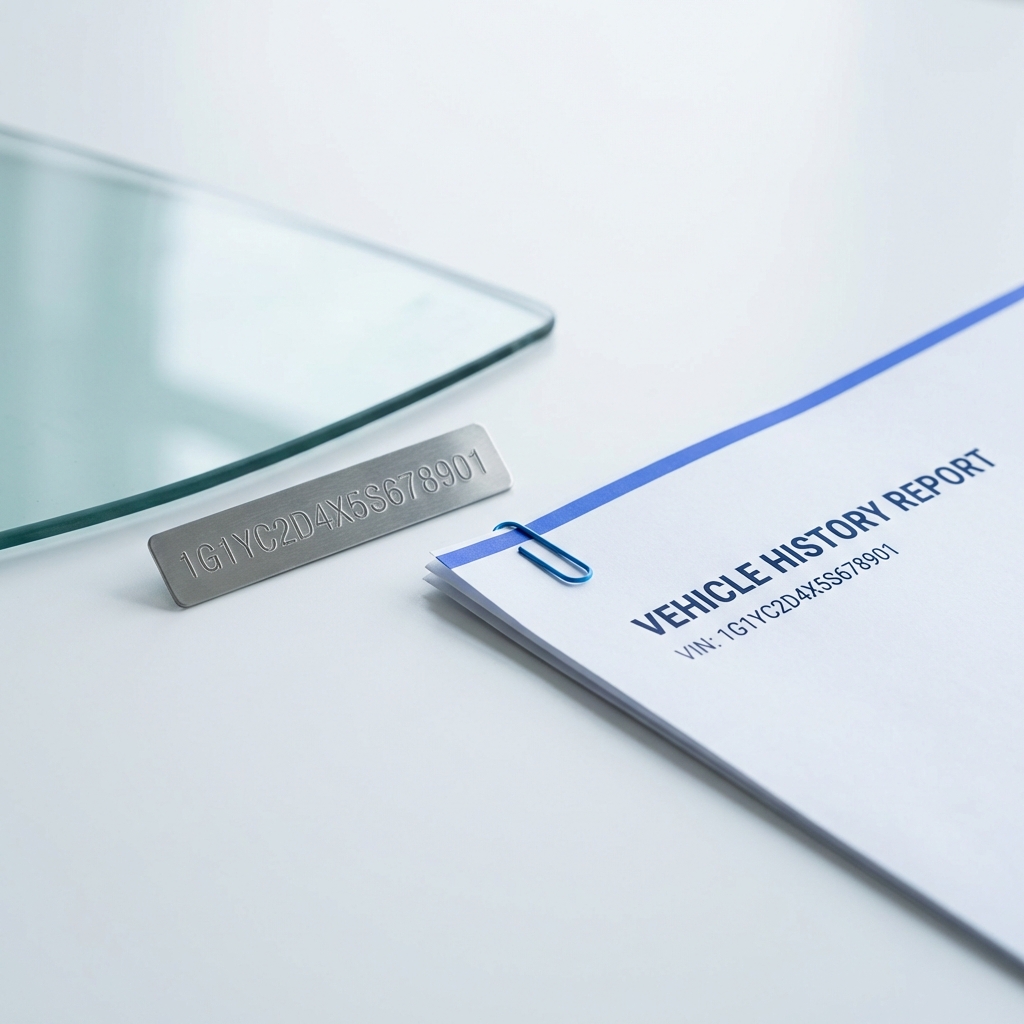
When you get a CARFAX report, compare the VIN on the report with the VIN on the vehicle (windshield, driver door jamb, engine bay) and the title. A mismatched VIN is a major warning sign and requires immediate clarification.
4) Scan the title status
Look for branded titles like salvage, rebuilt, or flood-damaged. Those labels change value and can affect insurance and resale. If the title is branded, ask for detailed repair records and an independent inspection.
5) Use the report to plan your inspection
Highlight accident entries, mileage inconsistencies, and service records that require proof. Ask the seller for receipts when possible. Even with a clean report, always get an independent pre-purchase inspection.
What the key sections of a CARFAX report mean
When you open a CARFAX report, certain headings deserve immediate attention. Knowing what each entry typically implies helps you prioritize follow-ups.
Accident and damage history
An accident entry varies from minor fender-benders to serious structural damage. If airbags deployed or the report notes structural damage, treat that as a serious concern and insist on an inspection focused on frame and alignment issues.
Title brands (salvage, rebuilt, flood)
Title brands have long-term implications. A salvage or rebuilt title usually indicates the car was declared a total loss and later repaired. Flood damage is particularly problematic because corrosion and electrical faults often appear over time. A vehicle with such a title can sometimes be acceptable if repairs were professional, fully documented, and the price reflects the history - but financing and insurance can be harder to secure.
Mileage and odometer checks
CARFAX compares reported odometer readings over time. A single missing reading isn’t automatically disqualifying, but rollbacks or improbable jumps should trigger skepticism. Look for matching wear patterns inside the car and compare service records that list mileage to the reported numbers.
Ownership and registration history
Frequent owners in a short time can indicate recurring problems; long, single ownership with consistent dealer service often signals careful maintenance. Consider regional history: a car moved through states may have gaps if records didn’t migrate between systems.
Service records
A robust service history—especially entries from manufacturer dealerships—boosts confidence. But remember many local garages and private sales don’t report into the national databases CARFAX uses, so missing entries are common and don’t always mean neglect.
Using CARFAX alongside state titles and NMVTIS
CARFAX is powerful but not exhaustive. Cross-checking the CARFAX report with state title records and the National Motor Vehicle Title Information System (NMVTIS) gives a broader view. NMVTIS is a federal system focused on title fraud and salvage/total-loss records, so it can confirm or reveal branding that’s missing from other databases.
What CARFAX does not capture (and why that matters)
No report is complete. CARFAX won’t necessarily show private repairs, out-of-country incidents, or events from shops that don’t share data. Odometer tampering may be hidden if readings weren’t reported. Knowing these gaps helps you treat the CARFAX report as one essential input, not the final judgment.
A short story: how a CARFAX report saved someone from a flood-damaged car
I once knew a buyer who admired a compact SUV with great photos and a low price. They ran a full CARFAX report before driving two hours to see it. The report revealed a flood-damage title filed years earlier in another state—information the seller hadn’t disclosed. Walking away avoided time, money, and likely electrical headaches down the road. That real-world example captures the practical value of a report: it lets you say no early and confidently.
How to read a CARFAX report line by line: a practical checklist
Use this quick checklist when reviewing the report:
Checklist:
- Confirm VIN and Report ID match the listing and the vehicle.
- Check title status for salvage, rebuilt, or flood brands.
- Scan accident entries for airbag deployment and structural notes.
- Compare mileage readings over time; note any large jumps or rollbacks.
- Review ownership history: numbers of owners and length of ownership.
- Inspect service history for dealer entries and regular maintenance.
- Note recent severe repairs or entries added shortly before listing.
How to turn a report into negotiation leverage
Information is bargaining power. If the CARFAX report shows significant repairs, accident history, or inconsistent mileage, use documented entries to justify a lower offer. If service history shows manufacturer maintenance and one careful owner, it can justify your full or near-full offer. Always be factual: present the report and ask the seller to explain discrepancies or provide receipts.
Common red flags and how to act
Some entries should trigger immediate scrutiny:
Salvage or rebuilt title: Ask for full repair invoices and an expert inspection. Be prepared for reduced resale value and insurance difficulty.
Flood damage: Look for corrosion, electrical oddities and smell; test all electronics carefully. If flood-damaged, walk away unless inspections and documentation are exceptional.
Airbag deployment or structural damage: Inspect frame alignment and confirm repairs used OEM parts if possible.
Mileage rollback or mismatch: Ask for service receipts, registration history, and consult state title and NMVTIS records.
Troubleshooting: the seller’s story doesn’t match the report
Discrepancies happen. Sometimes there’s a simple reason—late reporting, out-of-state title transfers, or proprietary repair shops that don’t report to national systems. Ask the seller specific questions, request receipts, and verify with state records. If the answers are fuzzy or documents absent, treat that as a reason to pause.
When a flagged car can still be a good buy
Not every flagged entry means immediate rejection. If a car has a rebuilt title but detailed repair records from reputable shops and an independent inspection confirms quality, it may still be a reasonable purchase at the right price. The key is documentation and professional verification.
Why marketplaces that surface CARFAX reports help
Sites that display verified CARFAX reports next to pricing context—like whether a car is a “Good Deal”—save time by letting you filter and prioritize. CARFAX Deals pairs the report with dealer disclosures and a price analysis so you can triage listings and focus on the best prospects. That saves hours of digging and helps you avoid listings that need more caution. A quick visual snapshot can help you remember key pricing signals later.
Independent inspections: what to ask the mechanic
Even a spotless CARFAX report can’t replace a trained mechanic’s assessment. When scheduling a pre-purchase inspection, ask the shop to check:
- Frame alignment and weld quality
- Signs of rust or flood corrosion
- Odometer consistency and wear patterns
- Engine and transmission condition (leaks, noises, codes)
- Suspension, brakes and wheel bearings
- Electrical systems and advanced driver-assistance features
International history and imports: special considerations
Vehicles imported from other countries may have repair and accident histories invisible to U.S. databases. If buying an import or a vehicle recently brought into the U.S., request full documentation from the seller and pay extra attention to signs of repair or modification that might not appear in the CARFAX report.
Cost and coverage: what a CARFAX report includes and what it costs
CARFAX typically charges for full, detailed reports; however many marketplaces offer teaser checks for free. Think of the fee as a small investment compared to the cost of a bad purchase. The report’s coverage depends on how much data is reported to CARFAX by insurers, shops and title agencies; it’s a mosaic of what’s been officially recorded.
How evolving car tech may change vehicle histories
Connected cars and telematics promise more detailed records in the future - fault codes, crash sensor events, and remote service logs could all become part of a vehicle’s history. That will increase transparency but also raise new privacy questions. For now, rely on available records and independent inspections.
Practical tips to get the most from a CARFAX report
- Run the VIN before you travel to view the car in person.
- Save the Report ID and keep a copy of the report for negotiation reference.
- Verify the VIN on the car in multiple locations: windshield, door jamb, engine bay.
- Request original repair invoices where possible, not just summaries.
- Take photos of wear or mismatched panels and ask an expert to inspect them.
Sample conversation using a CARFAX report
Use the report to ask precise questions. For example: “I see a reported accident on 05/12/2020 with airbag deployment; can you share who repaired it and the invoices? Was OEM hardware used?” That framing makes the seller accountable and keeps the conversation factual.
How to detect odometer tampering
Look beyond the numbers: inconsistent interior wear, mismatched service mileages, and registration records can indicate manipulation. If in doubt, consult state title histories and NMVTIS and have a mechanic inspect the vehicle.
Why a clean CARFAX report is encouraging — but not a guarantee
A clean CARFAX report reduces risk but doesn’t eliminate it. Some repairs and incidents never make it into national databases. Use a clean report as a green light to continue with an inspection and test drive, not as a full endorsement of perfection.
Where to go next: practical resources
Run a CARFAX report, cross-check NMVTIS and state titles, and schedule a pre-purchase inspection. If you want a smoother starting point that bundles history with price signals, try a listing that shows a verified CARFAX report and market-based labeling to speed selection. For an overview of vehicle-history tools and how they work, see this guide: Understanding Vehicle History with CARFAX Reports and VIN Lookup Tools.
Run a VIN lookup and view verified vehicle history
Ready to check a VIN and get a verified vehicle history? Run a CARFAX report now on CARFAX Deals to see the history and how the price compares—then decide which cars deserve a closer look.
Q: Is a CARFAX report always correct? A: CARFAX compiles many sources but may miss unreported events. Use it as a thorough starting point, then verify titles and inspections.
Q: Can I get a free CARFAX check? A: Some sites offer limited VIN checks or teaser info for free; full reports are usually paid. Some community discussions have suggested cheaper options; see this thread for perspectives: Is there actually a way to get a free Carfax in 2025? Not ....
Q: If a CARFAX report shows a branded title, should I automatically walk away? A: Not always. Evaluate the documentation, the inspection, and whether the price reflects the increased risk.
Final practical checklist before you buy
- Run the CARFAX report and save it.
- Cross-check state title and NMVTIS where available.
- Match VINs on the vehicle, report and title.
- Ask for repair invoices and service receipts.
- Schedule an independent inspection.
- Use report findings to negotiate or walk away.
Closing thought
A CARFAX report gives you recorded facts to ask better questions and make more confident choices. Use it early, use it often, and combine it with title checks and a trusted mechanic’s inspection. The result: fewer surprises and a clearer path to the right used car.
CARFAX reports compile data from many official sources and surface documented events, but they don’t capture every incident. Use a CARFAX report as a thorough starting point—verify title records with state DMV and NMVTIS where possible and always get an independent pre-purchase inspection before finalizing a purchase.
CARFAX and some marketplaces offer limited VIN checks or teaser information for free, but full CARFAX reports that aggregate all available records are typically paid. Free checks can flag obvious issues, but a full report is worth the cost when you’re serious about a purchase.
A branded title (salvage, rebuilt, flood) doesn’t automatically mean the car is unusable, but it does affect value, insurance and financing. Request full repair invoices, confirm the quality of repairs with an independent inspection, and ensure the price reflects the increased risk before proceeding.
A CARFAX report helps you find documented facts so you can ask smarter questions and make a confident used-car choice — good luck, and happy (and careful) hunting!

 Blog
Blog