Is a Kia car a good car to buy? — 2024 Buyer’s Guide
Thinking “Is a Kia car a good car to buy?” This practical 2024 guide breaks down Kia reliability, safety ratings, ownership costs, resale trends, and the best models to consider — new or used. Learn how the 10-year/100,000-mile warranty, crash-test performance, and model-specific differences affect real-world ownership. Get step-by-step shopping tips, what to watch for with EVs and hybrids, and how to use verified vehicle history tools like CARFAX Deals to buy with confidence.
A rav4 used for sale can be a sensible pick for many research-oriented buyers because reliability aggregators rate the model above average and safety ratings are generally strong. This guide explains how to vet listings, what model years tend to be better, and a step-by-step checklist to reduce risk before you buy.
This guide explains how to estimate the cost of buying an R34 Skyline, with attention to import rules, condition-driven price tiers and landed cost. It shows which factors move value, how to verify history and paperwork, and offers a checklist you can follow when you search for a nissan skyline r34 for sale.
This guide helps buyers set realistic expectations for tacoma trucks for sale by explaining the main price drivers and a repeatable method to build conservative, typical, and ambitious offer ranges. It shows how the 2024 redesign, valuation guides, and vehicle history reports interact to change asking prices and reduce purchase risk.
Is a Kia car a good car to buy? This practical guide answers that question with up-to-date reliability info, safety test highlights, ownership cost expectations, and step-by-step buying advice for both new and used shoppers in 2024. You’ll learn which Kia models tend to be the safest bets, how to evaluate EVs and hybrids, and how to use vehicle history tools to reduce risk.
1. Kia’s US powertrain warranty (10 years / 100,000 miles) remains one of the longest and most protective in the mainstream segment.
2. Popular SUVs like the Telluride often depreciate less and retain value better than smaller Kia sedans, with many mainstream Kia models showing ~20–30% depreciation over two years (2023–2024 snapshots).
3. CARFAX Deals integrates verified CARFAX history reports with local price context, helping buyers spot better-priced, low-risk used Kia listings quickly.
Is a Kia car a good car to buy? It’s a short question with a layered answer. In many cases, yes - Kia makes dependable, well-equipped cars that often give strong value for the money. But reliability and ownership experience depend on the specific model, model year, maintenance history, and how you plan to use the vehicle. This guide walks you through what truly matters: warranty coverage, independent reliability ratings, safety testing, ownership costs, resale expectations, and practical buying steps so you can choose a Kia with confidence.
Why the question matters - and why the simple answer isn’t enough
Asking “is a Kia car a good car to buy?” is the right starting point because brand-level answers hide important detail. A manufacturer’s strengths vary by segment (compact cars vs. SUVs), by powertrain (ICE vs. hybrid vs. EV), and from year to year. Kia’s recent track record shows meaningful improvements in quality, design, and features - but that doesn’t mean every Kia model or every model year is the same.
Think of brand reputation like a weather forecast: favorable overall, but you still check the hourly report for your location. For a car buyer, the “hourly report” is the model-year reliability data, crash-test results, and the vehicle’s service history.
If you’re shopping used, a smart, low-effort first step is to check a vehicle history and price-context report. Try checking a VIN-backed history combined with local price data via a trusted service like CARFAX Deals’ run report to see accidents, service history and how the asking price compares to similar cars nearby.
Where Kia stands in 2024: the big picture
Over the past decade Kia has moved from “budget alternative” toward mainstream and even premium-feeling offerings in some segments. That progress shows up in two clear ways: improved scores from independent testers (like J.D. Power and Consumer Reports) and the widespread availability of advanced safety and convenience features across trim levels. Another practical signal is Kia’s long powertrain warranty - 10 years or 100,000 miles in the U.S. as of 2024 - which directly reduces risk for many owners.
Are Kia cars reliable? Quick facts to start
Check VIN history & local price context before you buy
If you want to check a specific vehicle before you dive deeper, you can run a VIN report to verify accident history, title status and service records quickly.
Short answer: Many Kia models are reliable, but depend on the model and year. You’ll see above-average reliability for several SUVs and sedans, while older or entry-level models sometimes show more complaints. Check model-specific ratings before you buy.
Kia’s long powertrain warranty is a major advantage that reduces risk in the first decade of ownership, but long-term durability still depends on model, maintenance and driving habits; choose a well-reviewed model and verify the service history to secure the best long-term outcome.
Safety scores and recalls - how does Kia perform?
Safety is central to any buying decision. In recent testing cycles, multiple Kia models earned strong results from IIHS (Insurance Institute for Highway Safety) and NHTSA (National Highway Traffic Safety Administration). Some models, like higher-trim Telluride variants and the Sorento, have earned IIHS Top Safety Pick designations thanks to strong crash protection and effective active-safety systems like forward-collision warning and automatic emergency braking.
Recalls are part of modern automotive reality and Kia has had recalls on specific years and models - like many automakers. The key for buyers is not to avoid the brand because recalls exist, but to check whether the recall work was completed on the VIN you plan to buy. A vehicle history report will flag open recalls and show if repairs were performed.
Resale, depreciation and what truly affects long-term cost
Resale varies by model. Generally, larger, popular SUVs hold value better than compact sedans. For example, the Telluride and certain Sportage trims tend to retain value more strongly than budget compacts. Across many Kia models, two-year depreciation numbers in recent years often fell in the 20-30% range - not the best in the industry, but not the worst either. Lower initial prices and that long powertrain warranty can offset faster depreciation for buyers who plan to keep a car several years.
Ownership costs: what to expect
Routine maintenance costs for Kia cars are typically moderate and in line with mainstream competition. Insurance, brakes, tires and oil changes follow industry norms. The advantage for many buyers is the lower purchase price and the strong warranty which reduces the chance of a major out-of-pocket repair in the early ownership period.
Which Kia models are safest bets in 2024?
Some models have stood out in reliability and owner satisfaction:
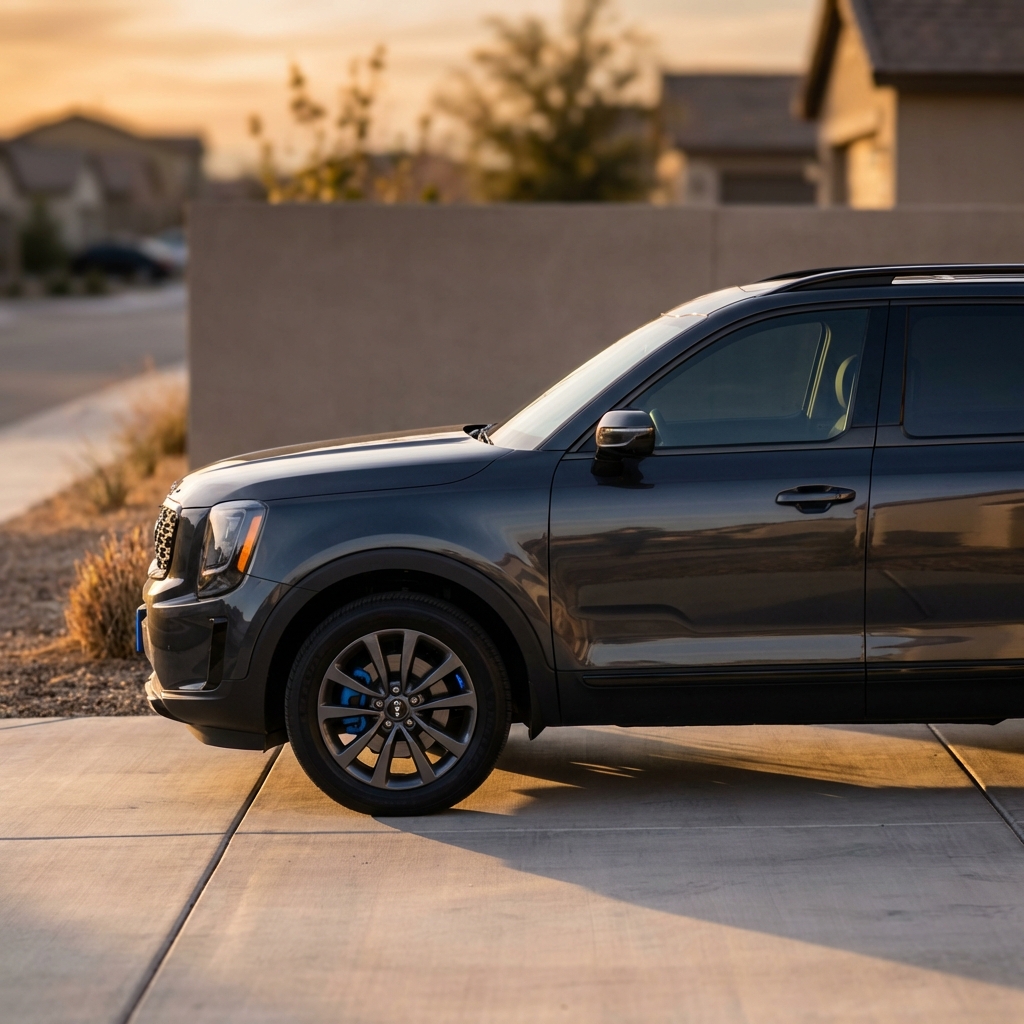
- Telluride: Often praised for build quality, family-friendly design and strong safety scores.
- Sorento & Sportage: These SUVs offer balanced packages of reliability, safety tech and value.
- Forte & K5: On the sedan side, these models deliver solid feature content and respectable reliability relative to mainstream competitors.
Model selection matters: buy a well-reviewed Telluride and you’ll likely have a far different experience than buying a base trim of an older compact Kia. See a hands-on review such as this CARFAX Telluride review for specifics on trim and equipment differences.
Electric and hybrid Kias: promising but ask the right questions
Electrified models (EV6, Niro hybrids, plug-in variants) offer lower fuel costs and fewer mechanical parts that wear, but they add battery-health considerations. The EV market is still settling on long-term used values and battery longevity patterns. If you buy a used Kia EV or hybrid, require battery state-of-health documentation when possible and check remaining battery warranty.
Fast DC charging use history and consistent rapid-charging cycles can affect battery life. Ask sellers about charging habits and prefer cars with mostly home charging when possible. If a model still has transferable battery warranty coverage, that’s a big plus.
Practical red flags for electrified Kias
Watch for big drops in advertised range compared to factory specs, inconsistent charging speeds, and any warning lights tied to battery modules. When in doubt, a dealer or independent shop that can read battery management data is worth the cost.
Shopping checklist - new and used
Follow a clear, repeatable process: define priorities, research model-year reliability, use history reports, and test-drive carefully. Here’s a step-by-step checklist you can follow:
1. Define your ownership horizon and priorities
Decide whether you want low monthly payments (short-term ownership may favor lower sticker price) or stable ownership costs for five-plus years (warranty and vehicle robustness gain importance).
2. Check model-year reliability and recall history
Read recent J.D. Power, Consumer Reports and IIHS summaries for the exact model year. Some model-year refreshes fix previously reported issues; others introduce new features that can change reliability profiles.
3. Use a verified vehicle history and price-context tool
For used cars, get a VIN report. It reveals accidents, title issues, prior damage and service records. Tools that add local pricing context help you see if a listing is a “Great Deal” or priced higher than comparable cars nearby. CARFAX Deals pairs verified histories with price labels to help buyers spot well-priced, lower-risk listings quickly.
4. Test drive with purpose
Drive in city traffic and on the highway. Listen for odd noises, pay attention to brake feel, transmission shifts, ride comfort and infotainment responsiveness. Test any driver-assist systems to see how they behave in real conditions.
5. Get a pre-purchase inspection
An independent technician who knows Kia vehicles can spot deferred maintenance, previous repairs, and items likely to need attention soon. This step is very inexpensive compared to unexpected post-purchase repairs.
6. Verify recall work and remaining warranties
Confirm open recalls were addressed and document remaining factory warranties - especially powertrain and battery warranties for electrified models.
Negotiation and pricing strategies that actually work
Negotiate using data, not hunches. Use local market comparisons and VIN-backed history to show comparable listings. Ask for service records and compensation for recently discovered issues. For cars listed significantly below market rate, proceed cautiously - low price can indicate hidden problems.
When you spot a car that looks like a deal, check for subtle signs: consistent service history, clean title, and no unexplained gaps in ownership or mileage are positive indicators.
Common problems reported and how to spot them
Kia’s most common complaints (varied by model and year) often involve electrical bugs, infotainment glitches and, on certain older model years, specific mechanical issues that may have been covered by warranty or later corrected. On used cars, watch for:
- Transmission hesitation: jerky accelerations or delayed shifts.
- Recurring warning lights: codes that reappear after being cleared.
If you’re buying a hybrid or EV, battery degradation and inconsistent range are the top concerns - require battery test data or warranty coverage if possible.
Practical scenarios: two buyers, two sensible outcomes
Maria needs a family SUV and plans to keep it eight-plus years. She chooses a Telluride with a well-documented service history. The long powertrain warranty and strong safety scores fit her low-risk strategy.
Ethan wants the lowest monthly cost and will likely trade his car in three years. He selects a lightly used compact Kia with strong short-term resale history and a clean vehicle history report. For his horizon, a lower up-front price and good current condition matter more than the 10-year warranty.
Both buyers used the same core checklist: research, test drive, VIN history check, and pre-purchase inspection - but they weighted factors differently.
How Kia compares - and why it often wins for everyday buyers
Compared to many mainstream competitors, Kia’s strongest advantage is its combination of aggressive pricing, rich features (even on mid trims) and that reassuring powertrain warranty. If other brands may do slightly better in long-term resale or in certain reliability metrics, Kia often offers lower short- and mid-term ownership costs and more standard features for the money. For many buyers that mix wins - especially for families and first-time buyers who want more features without a premium price.
Real numbers and examples
Depreciation snapshots in 2023-2024 often showed some Kia sedans and SUVs depreciating roughly 20-30% over two years, depending on model and trim. Popular, well-equipped SUVs like the Telluride typically performed better in resale than smaller sedans. Those numbers change with market cycles, fuel prices and supply-demand dynamics, so always check local pricing tools for up-to-date context.
Checklist before you sign - the final walk-through
Before purchase, confirm these items:
- VIN history report: no unaddressed recalls, clean title.
- Service records: consistent maintenance history.
- Pre-purchase inspection: no hidden issues or imminent repairs.
- Warranty transferability: confirm powertrain and battery warranty terms if used.
When a Kia might not be the best choice
If you prioritize the absolute highest long-term resale or you need a very specific performance niche (track use, heavy towing beyond rated capacity), another brand may suit better. But for everyday transportation, family use, commuting, and balanced ownership costs, Kia often represents one of the most compelling options.
Final tips for getting the best Kia deal
Buy with data: use VIN-backed history and price comparison tools, insist on a pre-purchase inspection, and align your choice with how long you plan to keep the car. For electrified models, prioritize battery documentation and remaining warranty coverage.
Extra money-saving ideas
Consider certified pre-owned (CPO) Kias for additional warranty coverage, shop late in the month when dealers are more motivated, and be prepared to walk away - that’s often the strongest negotiation position.
What buyers often ask - concise answers
Are Kia cars reliable 2024? Many Kia models show good reliability in 2024, but always check model- and year-specific reports.
Are Kia cars reliable compared to the competition? Kia has closed the gap with many mainstream names; resale may lag leaders but the warranty and pricing often compensate for everyday buyers.
Which Kia is best to buy used? Telluride, Sorento, Sportage, Forte and K5 have stronger reputations. Prioritize documented maintenance and clean titles.
Wrap-up - practical takeaways
Kia today offers many reliable, well-equipped vehicles that can be sensible, cost-effective choices for a broad set of buyers. The 10-year/100,000-mile powertrain warranty is a meaningful advantage that reduces ownership risk. But reliability is ultimately a property of a specific car - look at model, year, service history and battery condition (for electrified cars) before you buy.
With careful research, a VIN-backed vehicle history report, a test drive, and a pre-purchase inspection, you can find a Kia that fits your needs and gives you years of trouble-free driving. For tools and more info, visit CARFAX Deals.
Many Kia models are considered reliable in 2024. Independent ratings from organizations such as J.D. Power and Consumer Reports generally place several Kia models in the mid-to-upper tier for mainstream brands. Reliability varies by model and year, so check recent model-year reports for the specific Kia you’re considering.
The Telluride, Sorento, Sportage, Forte and K5 have stronger reputations for reliability and safety among Kia’s lineup. When buying used, prioritize a clean vehicle history report, documented maintenance records, and remaining warranty coverage where applicable.
CARFAX Deals pairs verified CARFAX Vehicle History Reports with local price-analysis labels so you can see accidents, title issues, service history and whether the asking price is competitive in your area. That combination helps you quickly identify well-documented, fairly priced Kias and reduces the chance of unpleasant surprises.
Yes — for many buyers a Kia can be a very sensible and reliable choice when you pick the right model, verify its history and follow basic buying checks; safe driving and happy miles ahead!

 Blog
Blog