Many buyers consider repossessed cars for sale because the listed price can be lower than comparable retail inventory. That potential saving is attractive, but repossessed vehicles commonly come with more uncertainty about past damage, maintenance, and title events.
This article lays out the legal and market context for repo sales, practical checks to reduce risk, a simple cost-risk calculation to compare offers, and a short checklist you can use when evaluating listings. The aim is to help research oriented buyers make a reasoned decision before contacting a dealer.
Repossession channels often lower prices, but discounts can be offset by repair, title, and maintenance costs.
A VIN report and NMVTIS title check are essential first steps to spot branded titles and reported accidents.
Always get an independent mechanical inspection and verify financing and warranty acceptance before buying.
What are repossessed cars for sale? Definition and context
Repossessed cars for sale are vehicles lenders have taken back when a borrower falls behind on payments, then put on the secondary market. Lenders usually recover collateral and move the vehicles into dealer channels or auctions to dispose of them, which affects how and when buyers can inspect or claim warranties FTC guidance on repossession.
After repossession, federal and state rules determine notice, redemption windows, and disposal procedures that can change how fast a vehicle appears in inventory and what disclosures are required. For an overview of consumer protections and timelines, official guidance from federal consumer agencies describes the obligations lenders and servicers follow CFPB overview of repossessions.
Channels vary. Some repo vehicles go straight to wholesale auction lots, often sold as-is to dealers and remarketers. Others are transferred to dealerships that may list them in retail inventory with a dealer disclosure. In every channel, buyers commonly face limited or no dealer warranty and a higher degree of uncertainty about prior care and repairs.
Because these vehicles are a secondary market channel, the available documentation will differ from typical retail sales. Buyers should expect variation in the level of pre-sale inspection and in the paperwork provided with each dealership listing or auction lot, and plan checks accordingly.
Why shoppers consider repossessed cars for sale: potential savings and trade offs
One common reason buyers look at repossessed cars for sale is price. Auction and lender disposition channels often set opening prices below comparable retail listings, which can present an opportunity for lower acquisition cost. Market analyses and pricing guides note these lower listing prices but caution that the headline price does not cover post-purchase costs Kelley Blue Book on repo pricing.
Those savings come with trade offs. Typical unknowns include previous collision damage that was not reported, gaps in maintenance or service history, branded or salvage title events, and odometer discrepancies. Vehicle history checks and title searches can reveal some of these problems, but gaps remain common in repossession channels Consumer Reports guide to buying repossessed cars.
Run a vehicle history report before you contact a dealer
Before you contact a dealer, consider running a VIN-based history report and comparing pricing context so you can judge how much risk you are accepting for any discount.
If you expect to buy for cash or to accept higher repair risk, the lower purchase price can still make sense. If you need financing, warranty coverage, or predictable ownership costs, factor those constraints into the decision. Comparing the likely immediate repair bill and the vehicle's resale prospects often gives a clearer picture than price alone.
How repossessed cars for sale are sold: auctions, dealer channels, and buyer access
Repo vehicles typically follow two main disposal paths: auction sales and dealer resale. Auctions, especially wholesale auctions, move large volumes quickly and commonly sell vehicles as-is with minimal pre-sale inspection. Dealer resale channels may inspect and retail a selection of repo vehicles, but selling as-is remains common across both channels FTC guidance on repossession.
Auction purchases usually give buyers less direct access to drive or inspect a specific vehicle before sale. Dealers who list repossessed inventory may allow test drives, provide limited service receipts, or offer more transparent listing details. Where access is limited, plan to verify records and budget for a professional inspection after purchase if possible.
Federal guidance and state law changes in 2024 and 2025 have adjusted how quickly vehicles move through redemption and disposal steps, which can affect the amount of time a lender holds a vehicle and the disclosures provided when it reaches market. That regulatory context shapes how soon a particular vehicle appears in dealer inventory or at auction and what paperwork accompanies the sale CFPB overview of repossessions.
Because auction and dealer channels differ in access and disclosure, deciding where to bid or which listings to prioritize depends on how much pre-purchase inspection and documentation you can obtain. Use dealer transparency signals and request specific records when possible.
Essential checks before buying repossessed cars for sale: VIN reports, NMVTIS and service records
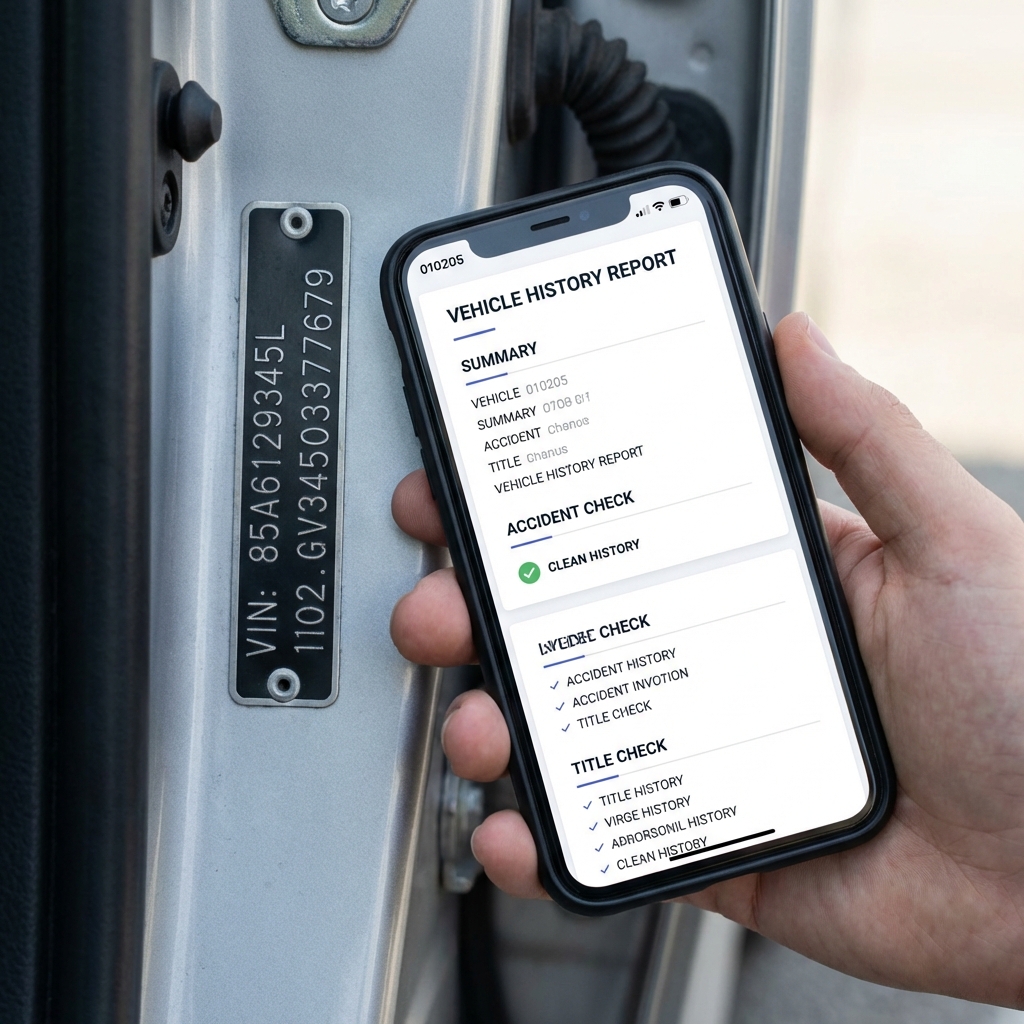
Run a VIN-based vehicle history report as a first step. A VIN report can show reported accidents, ownership history, title brands, and odometer records, helping catch many common red flags before you invest time or money in a specific vehicle NMVTIS consumer information.
Check NMVTIS and title history specifically to detect salvage or branded title events. NMVTIS is designed to aggregate title and brand information across jurisdictions, and using its data can materially reduce the chance of missing a branded title on a repo vehicle.
Ask the seller for documented service and ownership records. If a dealer lists service receipts or a clear single-owner history, that reduces uncertainty. If records are unavailable, note that gap and treat the vehicle as higher risk even if the listing price looks attractive Consumer Reports guide to buying repossessed cars.
When you run reports and collect records, compare findings against the listing's claims. Look for mismatched mileage entries, inconsistent ownership counts, or title brands that contradict seller descriptions. Document questions and request clarifications in writing before you proceed.
Mechanical inspection, recalls and the realities of as-is repo sales
Many repo vehicles are sold as-is and may not have been maintained before repossession. Independent mechanical inspections are recommended because they can reveal deferred maintenance, hidden collision repair, or failing components that are not visible in records alone Consumer Reports guide to buying repossessed cars.
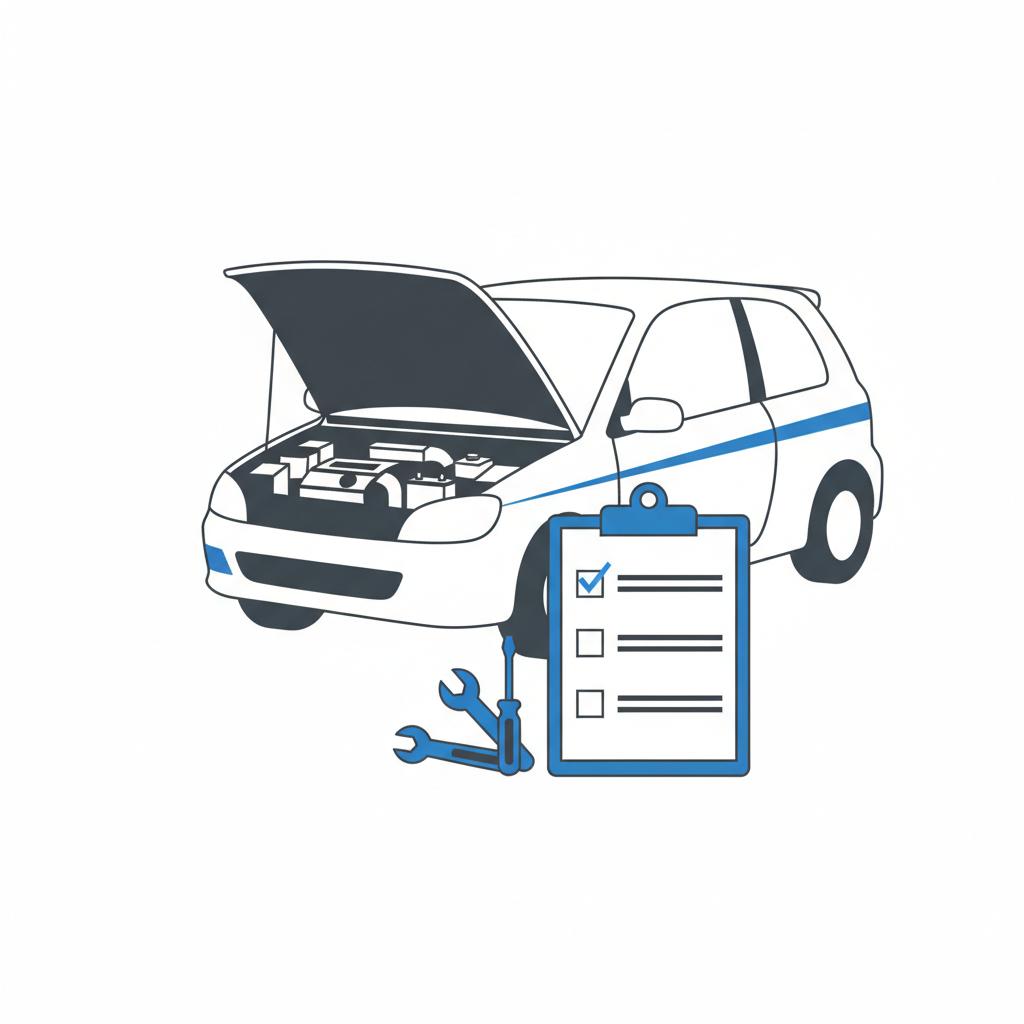
Ask your mechanic to focus on common repo red flags: signs of collision repair on body panels, frame or unibody distortion, oil leaks, cooling system condition, and major powertrain concerns. Simple checks for battery health, brakes, tires, and suspension can identify likely immediate repair costs that affect total ownership expense.
Check open safety recalls before purchase. A recall is different from routine maintenance and can be outstanding even if a vehicle has a clean sales disclosure. Sellers in disposal channels do not always resolve recalls before sale, so verifying open recalls with a VIN search is a necessary step.
If a vehicle fails inspection or if the mechanic finds evidence of prior structural repair without clear documentation, treat that as a strong red flag. In auction buys, where post-sale remedies are limited, a failed inspection often means walking away unless the price and contingency plans clearly cover the likely repairs.
Pricing, financing and a simple cost-risk calculation for repossessed cars for sale
Use a basic cost-risk calculation when evaluating any repo listing. Start with the discounted purchase price, add a conservative estimate for immediate repairs identified by inspection, and include a buffer for likely near-term maintenance if service history is incomplete. Compare that total to local retail prices or price analysis labels to decide if the savings are worthwhile KBB on price and resale impact.
Financing and warranty options may be more limited for repo vehicles. Some lenders apply stricter underwriting or will not finance recent repossessions, and some warranties exclude vehicles with certain title brands or ownership histories. Confirm in advance whether your lender and any third-party warranty provider will accept a repossessed vehicle before you commit CFPB overview of repossessions.
Here is a short worked example to make the calculation concrete. Suppose a repo listing is 20 percent below local retail for a similar year and trim. If inspection and initial repairs are likely to cost 10 percent of retail, and probable near-term maintenance adds another 5 percent, the effective net saving is the 20 percent price difference minus the 15 percent estimated costs. If that net saving is small, you may prefer a retail listing with clearer documentation and warranty options Consumer Reports guide to buying repossessed cars.
Set a maximum acceptable purchase price by using local market pricing, a target repair budget, and the resale impact you are willing to accept. Use price analysis labels or local comparables to convert subjective impressions into a numeric ceiling you will not exceed.
Common mistakes and red flags when considering repossessed cars for sale
A frequent mistake is assuming a low price equals good value. Price alone does not account for undisclosed damage, poor maintenance, or title brands that hurt resale. Always verify title status and run a VIN report before arranging an inspection or transferring money NMVTIS consumer information.
Other common errors include skipping an independent mechanical inspection, ignoring mismatched mileage entries, and accepting vague service history claims without documentation. These issues tend to surface in repossessed vehicles more often than in typical retail listings Consumer Reports guide to buying repossessed cars.
Watch listing red flags: title brands, inconsistent ownership counts, missing documented service history, and photographs that hide damage with close crops or limited angles. If a seller will not provide VIN, refuse to let you see service records, or declines to allow an inspection where feasible, treat the listing as higher risk and consider walking away unless the price clearly offsets that risk KBB on repo pricing.
Practical scenarios and a ready decision checklist for repossessed cars for sale
Scenario 1: A low-mileage repo listed by a dealer with a single-owner claim and a couple of service receipts. Decision logic: run a VIN report, confirm NMVTIS title status, schedule an independent inspection, and check lender and warranty acceptance. If reports are clean and inspection is satisfactory, the discount may be worth it Consumer Reports guide to buying repossessed cars.
Scenario 2: An older vehicle with a branded title listed at a deep discount and no service records. Decision logic: treat branded titles as a serious resale penalty. Unless you plan to repair and resell at a specialty channel, walk away or price the likely resale loss into your calculation KBB on price and resale impact.
Scenario 3: A dealer-listed repo with full service receipts, a visible ownership history, and a price slightly below market. Decision logic: verify records with VIN and NMVTIS reports, get a targeted inspection focused on any prior repairs listed, and confirm financing acceptance. If financing and warranty options are acceptable, this can be a lower-risk repo buy.
Use this checklist: 1) Run a VIN report. 2) Check NMVTIS and title status. 3) Request documented service and ownership records. 4) Schedule an independent mechanical inspection. 5) Confirm lender and warranty acceptance. 6) Estimate immediate repair costs and compare to local market pricing. Use this checklist to document findings and share them when you contact a dealer.
Conclusion: is a repossessed car worth buying for you?
Repo vehicles can be a sensible option for some buyers when the discounted price sufficiently exceeds the estimated repair and resale risks. The decision process is straightforward: run VIN and NMVTIS checks, collect service and ownership records, arrange an inspection, estimate likely immediate and near-term costs, and confirm financing and warranty acceptance before completing a purchase NMVTIS consumer information.
Because repo sales carry elevated uncertainty, use verification layers and pricing context to compare listings and document findings. CarFax Deals can help by surfacing vehicle history reports and pricing insights that make it faster to compare listings before you contact a dealer, but these tools reduce risk rather than eliminate it KBB on repo pricing.
If you decide to pursue a repo listing, document everything you find and take the VIN to run a vehicle history report before you go to the seller. Use inspection results and financing terms to set a firm walk-away price.
Repossession channels can produce good buys for some buyers, but only when you account for the full set of likely costs and remaining uncertainties.


 Blog
Blog