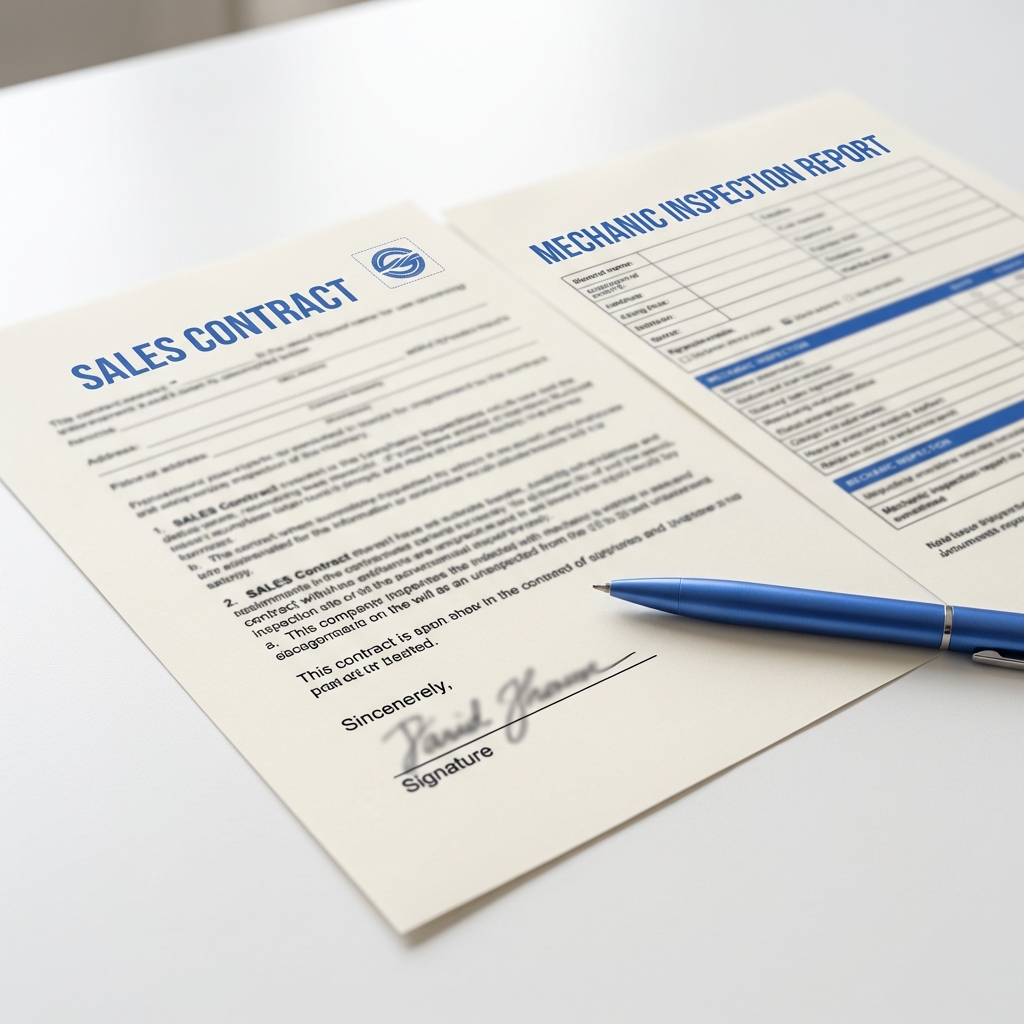
What is a good reason to return a car? — When trading or seeking a remedy
This guide explains when it is reasonable to trade car for car or otherwise seek a refund or repair. It outlines state lemon law triggers, dealer return policies, the strongest legal reasons to pursue rescission, and practical steps to document problems and preserve remedies. Use the checklist to gather vehicle history reports and inspection evidence before contacting the dealer or manufacturer.
A rav4 used for sale can be a sensible pick for many research-oriented buyers because reliability aggregators rate the model above average and safety ratings are generally strong. This guide explains how to vet listings, what model years tend to be better, and a step-by-step checklist to reduce risk before you buy.
This guide explains how to estimate the cost of buying an R34 Skyline, with attention to import rules, condition-driven price tiers and landed cost. It shows which factors move value, how to verify history and paperwork, and offers a checklist you can follow when you search for a nissan skyline r34 for sale.
This guide helps buyers set realistic expectations for tacoma trucks for sale by explaining the main price drivers and a repeatable method to build conservative, typical, and ambitious offer ranges. It shows how the 2024 redesign, valuation guides, and vehicle history reports interact to change asking prices and reduce purchase risk.
Returning or exchanging a car is a common question for buyers who find problems after purchase. The answer depends on a mix of state law, the dealer's written return policy, and the nature of the defect.
This guide helps research-oriented buyers and first-time buyers understand when it makes sense to trade car for car, which defects usually support legal remedies, and the practical evidence and steps that improve the chance of repair, refund, or replacement.
There is no federal return right for buyer remorse; check the dealer's written policy and your state rules.
State lemon laws can allow repair, replacement, or refund for new vehicles with persistent defects.
Vehicle history reports and professional inspections are key evidence for title, damage, and mileage problems.
When is it reasonable to trade car for car?
Quick summary
If you are asking whether it makes sense to trade car for car, the short answer is that legally supported returns or exchanges generally depend on statutory rights or the dealer's written policy rather than a federal cooling-off period. Federal consumer guidance explains that there is no single right to return a car purely for buyer remorse, so check the dealer's written terms and your state rules to know your options Buying a Car - Your Rights and Protections.
When a return or exchange is realistic, it usually follows a pathway the law recognizes, such as lemon-law coverage for new vehicles, an explicit dealer return window that is documented in the contract, or a provable defect like title problems or odometer tampering. This article focuses on those legally grounded reasons and on practical steps that improve your chance of a remedy.
Who this applies to
This guidance is for buyers considering whether to trade car for car after purchase, including new-vehicle buyers who suspect persistent defects and used-car buyers who discover undisclosed issues. State laws and dealer contract terms shape whether you can get a repair, refund, or replacement. For a clearer picture of state statutory frameworks, compare state summaries that explain lemon law triggers and typical remedies State Lemon Laws: State Statutes and Publications.
Documenting the problem, preserving written communications, and ordering a vehicle history report and professional inspection early can materially affect outcomes. Use these tools to surface title status, ownership history, and other signals that often form the basis for further action.
How state lemon laws can let you get a repair, refund, or replacement
What 'substantially impair' means
State lemon laws set the statutory grounds for a remedy when a new vehicle has persistent defects that substantially impair its use, value, or safety, and when the owner gives the manufacturer or dealer a fair number of repair attempts or otherwise meets notice requirements State Lemon Laws: State Statutes and Publications.
In plain terms, a defect that keeps the vehicle from performing key functions, repeatedly puts safety at risk, or sharply reduces resale value can meet the 'substantially impair' threshold. The exact tests and required repair attempts vary by state, but the concept is similar across many statutes: persistent, significant failure plus required notice or repair opportunities typically trigger remedies.
Typical statutory remedies
When a vehicle meets the statutory criteria, remedies commonly include a mandated repair program, replacement with a comparable vehicle, or a refund that may be adjusted for usage. States and statutes differ on how refund amounts are calculated and whether arbitration is required as a first step, so confirm the specific rules where you live The California Lemon Law (Song-Beverly Consumer Warranty Act). For California procedure updates see the state Department of Consumer Affairs guidance New Lemon Law Procedures - Arbitration Certification Program.
Many lemon laws primarily cover new vehicles. Some states extend protections to certain certified used vehicles or sales that include explicit new-car style warranties, but protections for typical used-car purchases are more varied. If you bought a used vehicle and believe a defect is covered, gather contract language and warranty documents to check eligibility.
trade car for car: what dealer-written return policies cover and what they do not
Where to find the policy
Dealers sometimes offer short, written return windows or exchange programs, but these are contract promises and not a federal right. Confirm any promise by asking the dealer to place the return terms in the sales contract or an addendum and keep a copy for your records, since written terms govern what the dealer must honor What to Know About Returning a Car or Cancelling a Purchase.
Look for a printed return policy on dealer letterhead, language in the contract labeled 'return window' or 'vehicle exchange', and any required condition for return such as maximum miles, time limits, or vehicle condition expectations. If the dealer says verbally that you can swap the car, request that statement in writing before you rely on it.
Check the dealer return policy and save it with your contract
Save a copy of any dealer return policy with the sales contract and note the exact time and mileage limits so you can follow the steps the dealer requires.
Before you sign, confirm key contract items: the length of the return window, mileage caps, restocking or administrative fees, vehicle condition rules, and whether the offer requires any specific inspections or approvals. These terms determine whether you can actually trade car for car under that dealer's program.
Legitimate reasons typically involve legal defects such as persistent mechanical failures covered by state lemon laws for new vehicles, undisclosed title or odometer problems, undisclosed structural or flood damage, or safety recalls; remedies depend on state law and the dealer contract.
Also check the sales contract for dispute-resolution clauses such as mandatory arbitration or required mediation, which can change where and how you pursue a remedy if a dispute arises. Keep a dated copy of any written promise and all receipts for future evidence Buying a Car - Your Rights and Protections.
Common, valid legal reasons to return a car (and evidence that helps)
Title and odometer problems
Undisclosed title problems, odometer tampering, and other defects that materially misrepresent the vehicle's history commonly support rescission or similar claims under state consumer-protection or warranty laws. If a title has a salvage brand or liens that were not disclosed, that can form the core of a legal remedy Buying a Car - Your Rights and Protections.
A vehicle history report can reveal title brands and ownership history that are relevant to a claim. A verified odometer discrepancy reported by a qualified inspector or a state agency can also support statutory claims, especially when the discrepancy affects value or safety perceptions. Order a vehicle history report from a report provider such as CarFax Deals VIN report to surface title brands and ownership history.
Undisclosed structural or flood damage
Significant undisclosed damage such as structural or flood damage may justify rescission or refund claims when the seller failed to disclose known defects. Use a professional inspection that documents frame issues, water evidence, or repairs that suggest previous severe damage as key evidence in such cases How to Handle a Problem After You Buy a Car.
Remember that an absence of reported accidents in a history report is not the same as a legal guarantee. Treat history reports and inspection findings as evidence to corroborate claims rather than absolute proof of condition.
Step-by-step: How to build a return or remedy case
Immediate steps after discovering a problem
Act quickly when you find a serious issue. If you suspect a safety defect, stop driving the vehicle until an inspector or mechanic confirms whether it is safe to operate. Collect the sales contract, any warranty documents, and dealer receipts. Order a vehicle history report and schedule a professional inspection to document the problem and its likely cause How to Handle a Problem After You Buy a Car.
Photograph visible defects, note dates and mileage at discovery, and preserve any prior maintenance or inspection records you have. These early steps help preserve facts and limit arguments that you caused or worsened the problem after purchase.
Photograph visible defects, note dates and mileage at discovery, and preserve any prior maintenance or inspection records you have. These early steps help preserve facts and limit arguments that you caused or worsened the problem after purchase.
What to include in written notices
Notify the dealer and, if applicable, the manufacturer in writing. Include the purchase date, the date you first noticed the defect, a clear description of the problem, steps you took to get repairs, copies of inspection or diagnosis reports, and the remedy you want such as repair, replacement, or refund. Send this notice by traceable methods and keep copies Buying a Car - Your Rights and Protections.
Follow any timing rules in your contract or state statute. Some remedies require that you provide a notice within a set window or give the dealer a certain number of repair attempts first. Preserving traceable proof of delivery and keeping a time-stamped file of communications are essential.
Recalls, safety defects, and contacting the manufacturer or NHTSA
How recalls are handled
Open safety recalls are handled through the manufacturer and the National Highway Traffic Safety Administration. If a vehicle has an open recall that affects safety, contact the manufacturer or a franchised dealer promptly to arrange a free remedy under the recall program, and document all communications and repair orders Recalls, Defects and Safety Compliance - What Owners Should Do.
Dealer return programs usually do not replace recall remedies. If a safety defect led to repeated failures, you may have both a recall path and a warranty or lemon-law path depending on the defect and the vehicle's status.
Record VIN lookup and recall results for a potential remedy
Save screenshots or reference numbers
How to report a safety concern
If you believe a defect is a safety hazard, report it to NHTSA and contact the manufacturer. Use the VIN to check open recalls and to ensure the vehicle is eligible for recall remedies. Keep a written log of when you reported the issue and any response you receive Recalls, Defects and Safety Compliance - What Owners Should Do. Consider using a VIN decoder to verify reported recall results VIN decoder.
Document repair orders and communications related to recall repairs and any ongoing failures after recall work. That record helps if you later pursue warranty or lemon-law remedies that require proof of repeated failures.
trade car for car in used-car transactions: what differs and what to check
State variations in used-car protection
Used-car protections vary substantially by state and transaction terms. While some states extend certain warranty-style protections to specific used sales, many lemon-law protections focus on new vehicles. Confirm how your state treats used-car disputes and whether any statutory protections apply to your purchase State Lemon Laws: State Statutes and Publications.
Where statutory protection is limited, contract terms and dealer-provided warranties or certifications become more important. If the purchase included a written warranty or dealer certification, review those terms closely for coverage limits and claim procedures.
Dealer certifications and warranties
For used cars, prioritize checks that expose risk: confirm title status, look for single-owner records when relevant, review service history, and get an independent inspection. A vehicle history report can show title status and ownership records that matter when evaluating whether to trade a used car back to a dealer How to Handle a Problem After You Buy a Car. Learn how to use VIN-based tools and reports in our guide how to use.
Also consider dealer transparency signals like dealer ratings and profile data when comparing where to buy or whether to accept an offered exchange, but treat those signals as decision aids rather than guarantees of outcome.
How remedies actually play out: repair, refund, replacement, arbitration
When arbitration is common
Statutes and courts commonly recognize three primary remedies: repair attempts, replacement of the vehicle, or a refund adjusted for use. Which remedy applies depends on the statute and the contract, and sometimes on how long the vehicle was out of service because of repairs The California Lemon Law (Song-Beverly Consumer Warranty Act).
Many sales contracts include arbitration clauses that require private dispute resolution. Arbitration can speed resolution but may change costs and appeal options. Check contract terms carefully to see whether arbitration is mandatory and what rules apply What to Know About Returning a Car or Cancelling a Purchase.
What to expect in mediation
Mediation or consumer-protection mediation programs often focus on efficient settlement and documentation. If you pursue arbitration or mediation, prepare a concise complaint packet with your contract, inspection reports, vehicle history report, repair invoices, and the written notices you sent to the dealer or manufacturer. That packet is the most persuasive way to show your claim's merit How to Handle a Problem After You Buy a Car.
Consider seeking consumer legal help or an attorney referral when the potential remedy's value exceeds the likely time and cost of pursuing it. A lawyer can advise whether a lemon-law claim, a warranty claim, or a consumer-protection suit fits the facts.
Common mistakes that weaken a return claim and how to avoid them
Failing to document
Not gathering timely evidence is one of the most common mistakes. An inspection report, a vehicle history report showing title or accident history, clear photos, and invoices that show failed repairs all strengthen a claim. Without documentation, it is difficult to show the timing and severity of a defect How to Handle a Problem After You Buy a Car.
Keep dated records and copies of all written communications. If someone at the dealer makes a helpful comment or promise, ask them to put it in writing before you rely on it.
Waiting past notice windows
Missing contractual or statutory notice windows often forecloses remedies. Confirm the deadlines in your sales contract and in state law. If you are unsure, act promptly to preserve rights and provide written notice even if you are still seeking a diagnosis State Lemon Laws: State Statutes and Publications.
Real-world scenarios: three short examples and what to do
New car with persistent transmission failure
Scenario: A new vehicle repeatedly slips or fails to shift properly despite multiple dealer repair attempts. Likely path: this situation is the classic fact pattern for a lemon-law claim in many states, where repeated repair attempts and substantial impairment can lead to replacement or refund after statutory steps are followed State Lemon Laws: State Statutes and Publications.
Primary evidence to collect: repair orders showing repeated failures, the sales contract, inspection or diagnostic reports, and any written notices you provided. Contact the manufacturer and follow statutory notice steps before seeking arbitration if required.
Used car with undisclosed salvage title
Scenario: A buyer discovers a salvage or rebuilt title after purchase that was not disclosed. Likely path: undisclosed title branding can support rescission or other consumer-protection claims depending on the state and the facts; the vehicle history report and title documents are primary evidence Buying a Car - Your Rights and Protections.
Primary evidence to collect: a certified title search, the vehicle history report showing title status, inspection notes about prior structural repairs, and all sales paperwork. Report the issue to your state consumer office if the dealer will not resolve it.
Car with an open safety recall and recurring failure
Scenario: A vehicle has an open recall for a safety system and continues to exhibit the same failure after recall work. Likely path: begin with the manufacturer recall remedy and document all work; if the defect persists it may intersect with warranty or lemon-law routes depending on the circumstances Recalls, Defects and Safety Compliance - What Owners Should Do.
Primary evidence to collect: VIN-based recall lookup results, repair orders for recall work, inspection showing ongoing failure, and written notices to the dealer and manufacturer. Pursuing both recall and warranty paths can often be necessary.
How vehicle history reports and inspections strengthen a claim
What to look for in a report
Vehicle history reports list title status, ownership history, reported accidents, mileage checks, and other records that matter when evaluating whether to trade car for car or pursue a return. Use the report to confirm title status and to cross-check seller statements when you prepare your case How to Handle a Problem After You Buy a Car.
Key report items to watch for include salvage or rebuilt title brands, multiple owners in a short period, discrepancies in mileage entries, and reported damages. These signals help you decide whether to press for rescission or to negotiate a remedy.
How to use an inspection
A professional inspection that documents structural issues, signs of flood damage, or odometer inconsistencies is powerful evidence. Inspections should be specific, dated, and signed by a qualified technician, and should state the likely cause and potential safety implications of the findings How to Handle a Problem After You Buy a Car.
Combine inspection reports with the vehicle history report and repair invoices to create a clear timeline that links the defect to the condition you observed at purchase. That packet is the most useful way to show a judge, arbitrator, or mediator what happened.
When to involve state agencies or consumer-protection offices
State attorney-general resources
When your own attempts to resolve a dispute fail, check your state attorney-general's guidance and NCSL summaries for lemon-law eligibility and procedures. State offices can explain local steps, mediate disputes, or refer you to court or arbitration depending on the situation The California Lemon Law (Song-Beverly Consumer Warranty Act).
State consumer-protection offices sometimes handle complaints that reveal dealer patterns, and they can advise on next steps for individual cases. Preparing a clear complaint package makes it easier for an agency to act on your behalf or to refer you elsewhere.
When to file a complaint
File a complaint when you have documentation that shows the seller misrepresented the vehicle, withheld title disclosures, or failed to follow a written return policy. Include the contract, inspection reports, vehicle history report, repair invoices, and copies of written notices you sent to the dealer or manufacturer How to Handle a Problem After You Buy a Car.
Consumer offices can mediate or investigate. If mediation is unsuccessful, they can often provide guidance on whether a legal filing or arbitration demand is the next step.
Closing: realistic expectations and a short checklist
Quick checklist
Valid reasons to return typically involve legal defects such as title errors, odometer tampering, undisclosed structural damage, or safety defects that trigger recall or warranty paths. Remedies depend on state law and your sales contract, so check both sources before assuming a return is available Buying a Car - Your Rights and Protections.
Checklist: order a vehicle history report, get a professional inspection, preserve the sales contract and receipts, document communications, check state lemon law rules, and follow written notice steps promptly. These actions help you preserve rights and improve the ability to obtain repair, replacement, or refund How to Handle a Problem After You Buy a Car.
Where to find more help
If the potential remedy is large or the facts are complex, consider a consumer legal referral. Use state attorney-general resources, NHTSA for safety concerns, and local consumer-protection programs for mediation. CarFax Deals can serve as a decision-support layer to surface vehicle history and pricing signals, but it is not a substitute for statutory remedies or legal action.
Take measured steps, document everything, and follow the contract and statutory notice rules in your state. Doing so gives you the best chance to resolve the issue fairly.
There is no federal cooling-off right to return a car for buyer remorse. Returns for that reason depend on a dealer's written return policy or any state-specific protections the dealer offers in the contract.
Strong legal bases include persistent defects covered by state lemon laws for new vehicles, undisclosed title or odometer problems, and significant undisclosed structural or flood damage.
A professional inspection report, a vehicle history report, repair invoices, the sales contract, and dated written notices to the dealer or manufacturer are the most useful documents.
If you discover a serious problem, act promptly: document the issue, order a vehicle history report, get a written inspection, and notify the dealer and manufacturer in writing. Those steps preserve options under contract and state law.
Use the checklist in this article to organize evidence before escalating. Where the facts are complex or the potential recovery is large, consider contacting consumer-protection offices or seeking legal referral.


 Blog
Blog