Choosing a reliable engine for a used Silverado is a common first step for research oriented buyers. Different powertrains have distinctive risk patterns that show up in vehicle history reports and manufacturer service communications. This article compares the 4.3L V6, 5.3L V8, 6.2L V8 and modern Duramax diesel so you can map engine characteristics to your intended use and budget.
CarFax Deals is designed to help you surface VIN-level vehicle history reports and pricing insights while you compare listings. Use those signals together with TSB and recall checks and a pre-purchase inspection to reduce uncertainty before you contact a dealer.
Engine choice depends on use case, model year and documented maintenance, not just displacement.
5.3L V8 is common and durable but certain model years show AFM and oil consumption patterns to watch.
Modern Duramax diesels are strong for towing but can carry higher repair-cost exposure for diesel systems.
Quick answer: which Silverado engine tends to be most reliable for buyers?
Short top-line summary, used chevy silverado for sale
For many used buyers the most reliable Silverado engine depends on how you plan to use the truck and how carefully you check the vehicle history. The 4.3L V6 is mechanically simple and often durable for light commuting. The 5.3L V8 is common and generally durable but certain mid 2010s to early 2020s model years show recurringAFM and oil consumption reports. The 6.2L V8 tends to have fewer frequent complaints, yet single failures can be pricier to repair. Modern Duramax diesels are robust for heavy use but carry their own high-cost diesel systems to maintain. These high level patterns are visible in aggregated reliability coverage and official complaint records, which is why VIN-level checks matter when you find a used Chevy Silverado for sale RepairPal Chevrolet Silverado reliability guide
Reliability is model-year and maintenance dependent. A truck with documented, regular service history and no concentrated complaints in its VIN report will usually be less risky than a similar truck without records. Repair-cost exposure differs by engine type: some engines have frequent but lower-cost issues while others have less frequent but higher-cost failures. Factor those differences into your total cost to own and inspection checklist.
Short recommendation: if your priority is simple, low-cost maintenance and light use, the 4.3L V6 often fits. If you want a balance of power and broad parts availability and can accept some mid-life V8 repair risk, a carefully checked 5.3L can be sensible. If you need maximum gasoline power with a higher tolerance for costly single events, consider the 6.2L. If you tow frequently and accept diesel maintenance needs, a modern Duramax can be the right choice. Verify all of the above with a VIN vehicle history check and relevant TSB and recall searches before you buy.
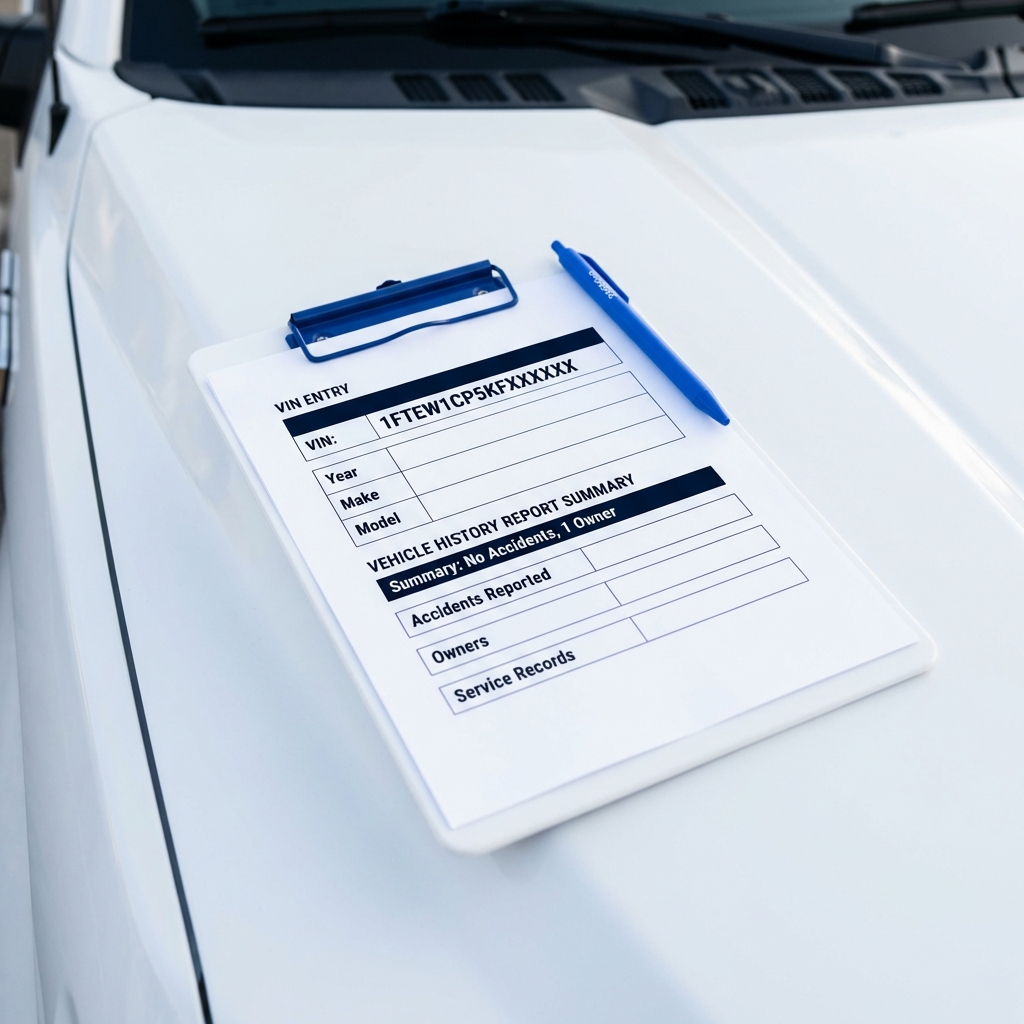
Tool recommendation for readers: a simple VIN lookup checklist can help you confirm TSBs, recalls and key history items before you contact a dealer.
How the engine options differ: 4.3L, 5.3L, 6.2L and modern Duramax
4.3L V6: what it delivers and who it suits
The 4.3L V6 is the simplest of these powertrains and typically suits buyers who prioritize economy, lower maintenance complexity and light-duty use. It generally offers lower towing capacity than the V8 options, which makes it a practical choice for daily commuting, errands and light loads rather than heavy towing or long-haul hauling. Simpler valvetrain and fewer high pressure components can mean fewer complex, high-cost repairs compared with high-output V8s.
That said, some older 4.3L model years have documented cooling system and head-related complaints in public problem databases, so year-specific checks matter. Look for service records that show radiator, thermostat and head-gasket repairs or periodic cooling system flushes when evaluating older V6 trucks CarComplaints Chevrolet Silverado problems
The 5.3L V8 is widely used across many Silverado model years and is popular because it balances power and fuel economy for general-purpose buyers. Many owners report long service life when the truck has a documented maintenance history, and parts and technician familiarity are generally strong due to the engine's prevalence. However, the 5.3L shows recurring reports tied to Active Fuel Management, lifter noise or failure, and episodic oil consumption in a range of mid 2010s to early 2020s model years, so buyers should check for those specific signs in the VIN history and service records RepairPal Chevrolet Silverado reliability guide
Practical implications: if you prefer a 5.3L, prioritize trucks with complete oil-change records, any documented AFM or lifter work clearly described, and no recurring oil consumption entries on the vehicle history report. When those records are missing, plan for a careful mechanical inspection that listens for lifter noise at cold start and checks oil condition and levels.
The 6.2L V8 provides the highest gasoline power of the common Silverado engines and tends to appeal to buyers who want stronger towing and faster acceleration. Reliability trackers indicate this engine has fewer frequent mechanical complaints compared with some other engines, but when failures do occur they often involve higher-cost components and repairs. The higher-output design and more complex components can drive up repair bills for single events compared with lower-output engines RepairPal Chevrolet Silverado reliability guide
For many buyers this means the 6.2L can be lower risk for frequent small repairs but requires a stronger budget buffer for rare, more expensive failures. Confirm service history for major repairs and check whether any major powertrain components have been replaced or serviced under documented records before deciding.
Modern Duramax diesel engines, such as the L5P 6.6L, are regarded as strong choices for heavy towing and sustained high-load use. These diesels deliver torque and longevity when properly maintained and serviced according to diesel schedules, and many owners report robust engine life under heavy use. Diesel powertrains do bring specialized maintenance needs however, and key diesel systems like high-pressure fuel components and aftertreatment/DEF systems can lead to high repair costs if problems develop or if maintenance is neglected Diesel World Duramax L5P reliability coverage
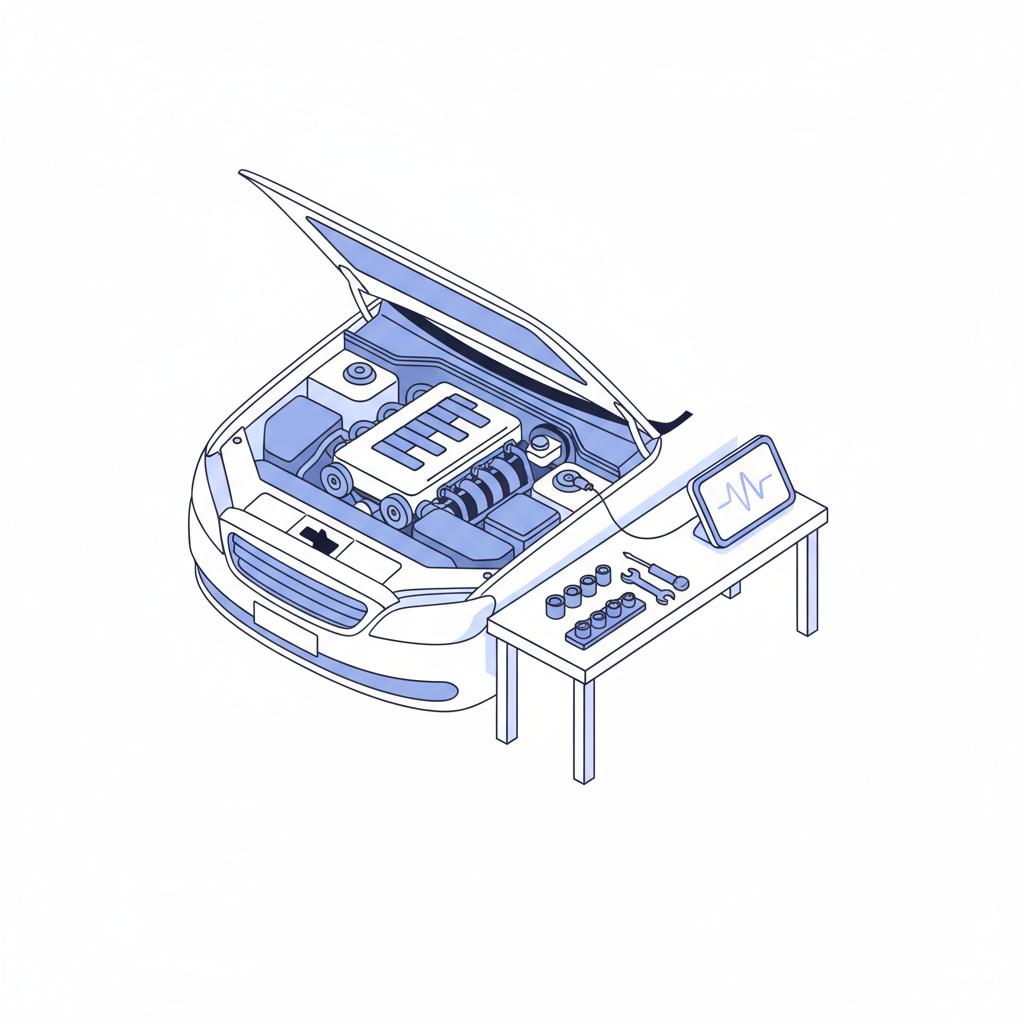
Because diesel repairs can be costly, buyers should verify that injector service, DEF system maintenance and high-pressure fuel system work are up to date in the vehicle history. If you tow frequently or expect heavy use, weigh the added cost of diesel-specific maintenance against the torque and longevity benefits.
Common failure patterns, when they appear, and what that means for buyers
AFM and lifter complaints: model-year clusters
Official complaint records and reliability aggregators show concentrated clusters of AFM and lifter related complaints for specific Silverado model-year ranges. These clusters are visible in NHTSA complaint summaries and in aggregated reliability reporting, and they tend to align with model years where Active Fuel Management was widely implemented without consistent mitigation across trims NHTSA Chevrolet Silverado pages
Run Vehicle History Report
Before committing to a showing, run the VIN checks and TSB lookups described below for any truck that could show AFM or lifter repair history.
How this shows up for buyers: AFM or lifter problems often appear as persistent lifter noise at cold start, intermittent misfire codes, or documented multiple valve-train repairs in service invoices. If a vehicle history report shows multiple unrelated engine repairs over a short period in a model-year cluster known for AFM complaints, the truck may carry elevated risk and deserve extra scrutiny.
Oil consumption complaints commonly co-occur with AFM and lifter reports in the model-year ranges noted above. In ownership records this looks like repeated oil-top ups between scheduled services, repair invoices for valve train or rings, and owner notes of visible smoke on start or higher-than-normal oil usage. A VIN-level vehicle history report that lists oil-related repairs or repeated service entries for oil changes at short intervals is a red flag to investigate further oil consumption complaints and should prompt closer inspection of service invoices.
Practical check: review service invoices for recurring oil-top ups, look for notes about internal engine work, and ask the seller about the last oil change interval and any aftermarket changes that might affect consumption.
Diesel-specific failures often center on aftertreatment components, DEF system faults, and high-pressure fuel system parts. These systems are expensive to repair and are sensitive to maintenance and fuel quality. When diesel trucks have gaps in injector or DEF maintenance in their history, buyers should treat that as a possible indicator of increased future repair-cost exposure Diesel World Duramax L5P reliability coverage
Look for service entries showing DEF system work, injector replacements, or recent turbo and fuel system servicing. Absence of such entries is not proof of good condition, but their presence helps reduce uncertainty.
How to use vehicle history reports, TSBs and recalls to filter risk
What to look for in a vehicle history report
Start with fields that directly reflect engine care and past issues: service history entries, documented engine repairs, repeated oil-top up notes, emissions or DEF service entries for diesel trucks, and ownership history that shows long-term single owners with regular maintenance. Gaps in service history, multiple short-term owners, or service entries that list repeated engine work are useful red flags to investigate further NHTSA TSB database for Silverado
Use VIN-level lookups to connect specific TSBs and recalls to the exact truck you are inspecting. A TSB or recall that applies to a model-year range can matter to one VIN but not another if the truck received a corrective service. VIN checks reduce uncertainty by showing whether a truck has recorded TSB repairs or open recalls.
TSBs describe common problems and recommended service approaches but do not represent mandatory recalls. When a TSB addresses oil consumption or AFM lifter issues for a model-year range, note whether the repair is listed in the truck's service history. Recalls are mandatory safety actions and should always be resolved and documented; open recalls are a hard red flag that should be cleared before purchase or addressed with the seller NHTSA TSB database for Silverado
Cross-check TSB and recall summaries with the vehicle history report and any dealer service invoices. If you find a TSB that applies but no evidence of repair, ask the seller whether the remedial work was completed and verify with a VIN run or dealer service records.
Key VIN-level red flags include multiple engine or oil-related repairs, injector or DEF service entries on diesel trucks, repeated emissions failures, and service history gaps that leave long periods without documented maintenance. Use a VIN lookup to confirm whether known TSBs or recalls for a model-year range are marked as completed for that vehicle; that reduces the likelihood of unresolved manufacturer-level issues NHTSA Chevrolet Silverado pages
Remember: absence of negative entries does not guarantee a problem-free history. VIN checks narrow risk but do not replace a physical inspection and a pre-purchase mechanical check.
Repair-cost risk and total cost to own: what engines typically cost to fix
Typical repair categories and relative cost ranges
Aggregated repair databases indicate common categories of engine repairs for Silverados. Frequent gasoline V8 issues can include AFM or lifter repairs and oil consumption work, while diesel repairs often involve injectors, high-pressure fuel parts and aftertreatment components. These databases frame typical repair-cost exposure and help buyers plan for likely outcomes based on engine choice aggregated repair databases
In general, aggregated services estimate that common V8 engine repairs tend to fall into lower four-figure ranges for many typical repairs, while diesel aftertreatment and high-pressure fuel system failures can reach multiple thousands when major components are involved. Use those ranges as planning tools rather than exact predictions.
How to fold this into total cost to own: combine the likely repair exposure for the engine you prefer with local labor rates and parts availability. A V6 with lower repair severity expectations might lower monthly ownership risk even if its resale value is lower, while a diesel that reduces fuel and towing stress could raise maintenance exposure but lower some operational costs for heavy use CarComplaints Chevrolet Silverado problems
How repair frequency and severity affect total cost to own
Engines that show more frequent but lower-cost repairs shift risk toward maintenance scheduling and predictability. Engines with infrequent but costly failures shift risk toward larger one-time expenses. When choosing, estimate both the likelihood of repeated service and the magnitude of single-event costs and decide which pattern you can tolerate financially based on intended ownership duration and local repair costs RepairPal Chevrolet Silverado reliability guide
How to factor local repair-cost expectations
Labor rates and parts availability vary by region and affect the total cost to own. Use local listings and recent sales to estimate regional pricing for comparable trucks, and add a maintenance buffer for potential engine-specific repairs when you calculate expected ownership costs. This local market context often changes whether a V6, V8 or diesel looks like the better long-term value.
Choose by use case: commuting, towing, heavy hauling or budget-focused
Daily driving and fuel economy considerations
For daily commuting and light use, the 4.3L V6 or a well-documented 5.3L are often reasonable choices because they balance fuel economy and maintenance simplicity. Confirm the truck's service history and fuel system maintenance to avoid surprises.
If fuel economy matters more than towing, focus on documented city and highway use, maintenance frequency, and any records of AFM or oil consumption that can affect long-term fuel and servicing costs RepairPal Chevrolet Silverado reliability guide
Towing and payload needs
If you tow frequently, prioritize torque and the truck's published towing capacity for the specific model year, trim and powertrain combination rather than displacement alone. Duramax diesels and the 6.2L gasoline engine provide stronger towing capability, but also require verifying diesel maintenance or higher-cost repair exposure depending on your choice Diesel World Duramax L5P reliability coverage
Match towing demands to the truck's service history and confirm transmission and cooling system maintenance, since heavy towing increases wear on these systems.
Budget and expected maintenance
If your budget is tight, the 4.3L V6 and a well-documented 5.3L can reduce exposure to high diesel maintenance costs, but they may present more frequent maintenance needs depending on year and use. Balance the purchase price, the likely repair patterns by engine, and local labor rates when estimating expected ongoing costs RepairPal Chevrolet Silverado reliability guide
A practical pre-purchase checklist: inspections, questions to ask, and red flags
What to inspect or ask the dealer/mechanic
1) Ask for a full service history and any engine-related invoices. 2) At the showing, listen for lifter noise at cold start, check oil level and smell, and watch for visible smoke on start. 3) Have a mechanic check for stored misfire codes and inspect injectors and aftertreatment on diesel trucks. 4) Confirm whether any manufacturer recalls or TSB repairs were completed for the truck's VIN NHTSA TSB database for Silverado
5) Request copies of recent invoices for injector or DEF work on diesel trucks and any valve-train or oil consumption repairs for gasoline V8s. 6) If records are missing, plan a compression and leakdown test as part of a pre-purchase inspection.
Service-record and mileage checks
Compare the service intervals documented in the vehicle history report against the manufacturer's recommended schedule for oil changes, filter service, and diesel system maintenance. Repeated short-interval oil changes or unexplained gaps in service history are valid reasons to investigate further RepairPal Chevrolet Silverado reliability guide
Red flags that suggest further investigation
Red flags include multiple engine repairs listed in a short period, repeated oil-top up entries, open recalls, multiple owners with missing service history, and any invoice references to major diesel aftertreatment or high-pressure fuel repairs without clear follow-up. Treat these as triggers for a deeper VIN-level TSB and recall check and a full mechanic inspection NHTSA Chevrolet Silverado pages
Three example scenarios: read a listing, check the VIN, decide
Scenario A: budget commuter with 4.3L
Listing signals: low asking price, modest miles, and a vehicle history report showing regular oil changes but limited major repairs. VIN check: no open recalls, no TSBs tied to that VIN, and service entries showing routine maintenance. Decision: for light commuting this 4.3L can be a reasonable low-cost choice if the pre-purchase inspection shows healthy cooling and no head-related issues CarComplaints Chevrolet Silverado problems
Scenario B: midrange 5.3L with service gaps
Listing signals: popular 5.3L trim, advertised as low miles but vehicle history shows a two-year gap in recorded service. VIN check: TSBs for AFM and oil consumption cover the model year, and the VIN does not show completed corrective entries. Decision: treat this as elevated risk. Ask for a compression test, a cold-start lifter noise check, and any available invoices for AFM or valve-train work before proceeding. If documentation is unavailable, negotiate inspection contingencies or consider passing.
Scenario C: Duramax diesel for towing
Listing signals: diesel L5P, clear towing equipment, and heavy use implied by payload accessories. VIN check: injector and DEF entries present, recent high-pressure fuel system service recorded. Decision: if the service records show routine diesel maintenance and recent injector or DEF service, the Duramax can be appropriate for heavy towing. If injector or DEF work is absent and the truck shows heavy use, budget for potential diesel system repairs and confirm a thorough inspection Diesel World Duramax L5P reliability coverage
Final takeaways and next steps for shoppers
Short checklist to act on now
1) Run a VIN vehicle history check for any truck you are serious about. 2) Cross-check VINs against TSBs and recalls. 3) Prioritize trucks with consistent service history and no concentrated engine repairs in the VIN report. 4) Schedule a pre-purchase mechanical inspection focusing on lifter noise, oil consumption, and diesel aftertreatment systems where applicable RepairPal Chevrolet Silverado reliability guide
How CarFax Deals can fit into your workflow
CarFax Deals can serve as a decision-support layer that helps you surface vehicle history reports and pricing insights while you compare nearby dealership listings. Use the platform's vehicle history report access and price analysis labels to reduce uncertainty, then confirm findings with VIN-level TSB and recall searches and a mechanic inspection.
Before you make a decision, run a VIN vehicle history check and review any listed TSBs or open recalls for the specific truck. Pair those steps with a focused mechanical inspection, and weigh repair-cost risk against how long you plan to keep the truck.
If you need a quick starting point, begin with a VIN lookup and the checklist above, then use pricing insights and service records to decide which engine aligns with your use case and budget.

 Blog
Blog