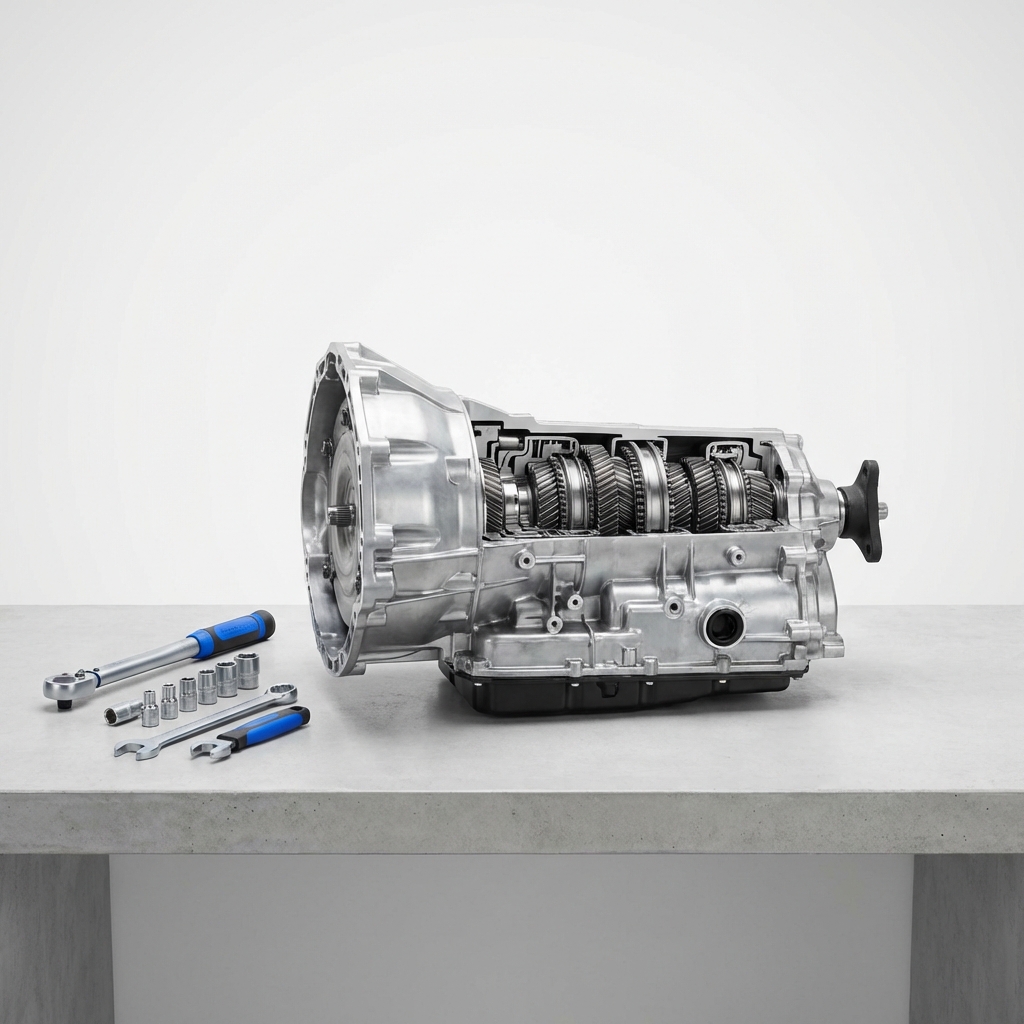
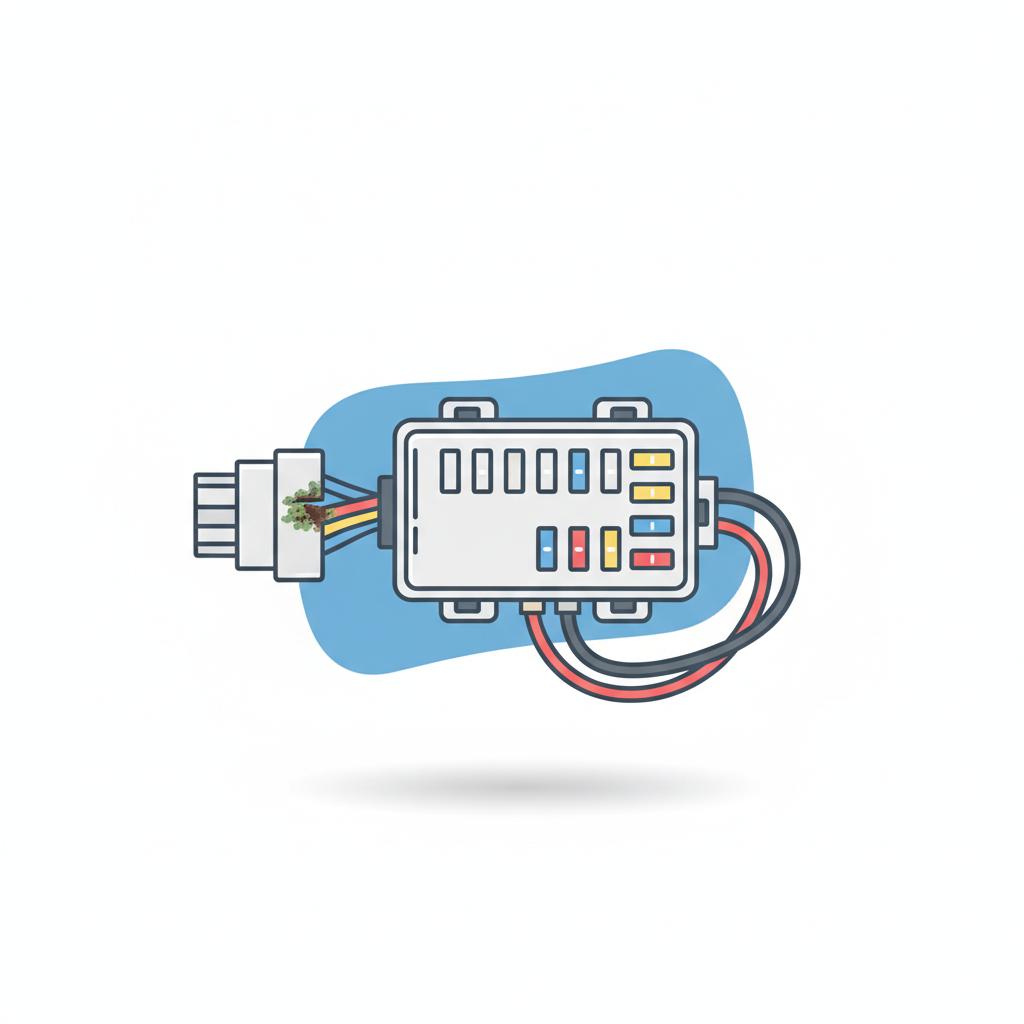
This deep-dive explains why transmission failures and electrical/control module issues show up most often in used Dodge vehicles, and it gives a clear, step-by-step buyer’s checklist you can use to spot problems before you sign. Learn practical inspection tips, test-drive tricks, VIN-and-history checks, cost ranges for common repairs, model-specific warnings, and how CARFAX Deals can help you verify a vehicle’s history so you buy with confidence.
A rav4 used for sale can be a sensible pick for many research-oriented buyers because reliability aggregators rate the model above average and safety ratings are generally strong. This guide explains how to vet listings, what model years tend to be better, and a step-by-step checklist to reduce risk before you buy.
This guide explains how to estimate the cost of buying an R34 Skyline, with attention to import rules, condition-driven price tiers and landed cost. It shows which factors move value, how to verify history and paperwork, and offers a checklist you can follow when you search for a nissan skyline r34 for sale.
This guide helps buyers set realistic expectations for tacoma trucks for sale by explaining the main price drivers and a repeatable method to build conservative, typical, and ambitious offer ranges. It shows how the 2024 redesign, valuation guides, and vehicle history reports interact to change asking prices and reduce purchase risk.
This guide explains why transmission and electrical/control module problems are the most frequent issues flagged on used Dodge vehicles, and gives you a clear, practical checklist to inspect, negotiate, and protect a purchase. You’ll get fluid checks, test-drive steps, diagnostic tips, model-specific warnings, and cost guidance so you can buy with confidence.
1. Transmission repairs on many Dodge models commonly reported by owners range from about $4,000 to $6,500 for rebuild or replacement.
2. TIPM/BCM faults often present as intermittent accessory failures, confusing warning lights, and starting problems that can be traced back to corrosion or moisture intrusion.
3. CARFAX Deals pairs listings with verified vehicle history reports that reveal title status, accident history, and service records — essential context when assessing risk on used Dodge vehicles.
Why transmission and electrical faults dominate the conversation
Owning a Dodge often means enjoying strong performance, roomy interiors, and straightforward mechanics — but if you’re shopping used it helps to know the reality behind the buzz. The clearest pattern in complaint data and owner reports from roughly 2010–2024 points to two recurring trouble spots: transmission failures and electrical/control module problems. These are the most common Dodge problems buyers mention again and again, and understanding their signs and likely costs changes how you inspect, negotiate, and protect a purchase.
How common Dodge problems show up in real life
Transmission issues aren’t a vague worry; they have a distinct set of symptoms: delayed shifts, harsh downshifts, slipping gears, shuddering under load, and in the worst cases full transmission failure requiring a rebuild or replacement. On the electrical side, faults in the TIPM (Totally Integrated Power Module) or body control modules often present as intermittent accessories, confusing warning lights, or trouble starting — all frustratingly intermittent and sometimes expensive to diagnose.
In short, when people ask about common Dodge problems they are most often pointing to these two clusters. That doesn’t mean every Dodge will fail, but the odds are high enough that a buyer should treat these items as front-of-mind checks.
What the data and common reports tell us
Across Charger, Challenger, Durango, Ram, and earlier Journey/Dart platforms, owner complaints and agency records repeatedly call out transmission and module problems. Specific automatic transmissions — older TorqueFlite units and later ZF eight-speed boxes in some Rams and SUVs — appear frequently in service reports and NHTSA entries. Module complaints focus on TIPM and BCM parts that control lighting, ignition, and many convenience functions.
One practical number that keeps showing up in owner reports: transmission repair or replacement costs often fall between $4,000 and $6,500 depending on labor and whether a rebuild or a new/low-mileage replacement is used. That’s the kind of cost that can turn a good-looking used-car deal into a bad investment if you don’t check thoroughly.
Start buying used with clear checks: fluids, codes, and a proper test drive
There are three simple, high-value checks every buyer should make early: fluid condition, a scan for stored trouble codes, and a careful road test. Those steps are cheap compared with a surprise replacement bill. A small visual checklist can help keep these checks top of mind.
Fluid and filter inspection
Transmission fluid provides immediate clues. Fresh fluid is usually clear or bright red and smells faintly sweet. Burnt-smelling, dark fluid or metallic particles are warning signs of internal wear. If the seller can’t show maintenance receipts for regular transmission service, consider that a red flag — neglected fluid changes shorten transmission life and hide wear until symptoms appear.
Oil use and what it tells you
Oil consumption is another revealing metric. If an engine uses more than roughly a quart every 1,000 miles, that is on the high side and suggests ring or valve-seal wear. Many older Hemi V8s and neglected 4.7L engines show behavior like this in owner reports. If a seller offers no explanation or service history for frequent top-ups, press for detail or walk away.
Electronic diagnostics
Bring a scanner or ask a technician to run a full OBD-II and body-code scan. Intermittent TIPM/BCM faults often leave a trail of pending or stored codes that point to power distribution, body electronics, or accessory circuits. A scan rarely lies; it gives you an objective list to investigate and can reveal intermittent problems that a short test drive won’t always show.
A single, early symptom to pause for is inconsistent or delayed transmission engagement under normal acceleration. If the car hesitates to shift, hunts between gears, slips under load, or delivers a firm, jolting downshift during a calm test drive, stop and have a detailed inspection. Those behaviors often precede larger internal transmission wear that is expensive to fix.
What to watch for on a test drive
A focused test drive is worth its weight in gold. For transmission checks, drive through city speeds and highway merging conditions. Accelerate firmly from low speed, then hold steady and downshift to feel how the gearbox reacts. Symptoms to note include:
- Delayed engagement or hesitation when accelerating. - Harsh, clunking downshifts or firm jolts. - Hunting between gears or slipping under load. - Vibration or shuddering during acceleration.
Any of these should trigger a complete mechanical inspection and a cautious negotiating position. Sellers may point to a recent fluid change as a fix — that can help symptomatically but won’t reverse internal clutch or drum wear if it’s already present.
Electrical warning signs and how to probe them
Electrical issues can be subtle: intermittent accessories, flickering dash lights, or starting problems that show up in particular weather. Ask whether modules (TIPM, BCM) have been replaced, why, and who did the work. Module swaps done with used parts or aftermarket clones sometimes mask problems rather than solve them. Corrosion, moisture, and poor grounds — not the module itself — are often the root causes.
Visual checks matter: inspect the fuse boxes, look for water staining, check under the dash for dampness, and examine connectors visible in the engine bay. If you find greenish corrosion or white powder on connectors, that’s a smoking gun that needs attention before a module swap is considered a permanent fix.
How long do module fixes last?
When a TIPM or BCM is replaced without fixing wiring corrosion or water entry, symptoms commonly return within weeks or months. A proper repair includes cleaning connectors, replacing corroded pins, sealing entry points, and verifying grounds. Cheap module swaps can create a false sense of security — don’t be fooled.
If you want a quick way to check a car’s background before diving into a full inspection, run a vehicle history report. A single, verified report can flag title issues, accident history, and recorded service events — all valuable context when evaluating potential common Dodge problems. Try this quick vehicle check: run a vehicle history report to see whether the car’s records match what the seller tells you.
Model-specific tendencies to watch
Some tendencies are tied to specific engines or platforms rather than being universal across the brand. Here are the common notes to keep in mind:
Chargers and Challengers
Pay attention to the transmission and electrical systems. High-performance variants can mask transmission wear through driver behavior; look for service records and consistent fluid changes, especially for vehicles with heavy use or track history.
Durango
Much like the Chargers and Challengers, Durangos commonly report transmission and electrical niggles. Because they are often used for family duty, check for evidence of towing and heavier loads that accelerate transmission wear.
Ram trucks (gas and diesel)
Rams register transmission complaints and, for diesel owners, injector and emissions-system concerns. Diesel Rams offer strong towing ability, but injector and emissions hardware issues can be costly. If you are considering a diesel Ram, request a detailed fuel-system and emissions inspection.
Older engines
Older Hemi V8s sometimes use more oil than expected in certain years; 4.7L motors were prone to sludge if neglected. Modern Pentastar V6 engines largely have good reputations, though some model years show timing-chain or tensioner wear. These engine-specific patterns are part of the wider set of common Dodge problems and should guide model-year research.
Recalls, investigations, and what they mean
Recalls are mixed signals: they can point to a resolved factory fix or to a broader design issue that required correction. Investigations by regulators indicate enough owner complaints to warrant scrutiny, but they don’t guarantee a recall. When you find an open recall on a used car, insist that the seller complete the recall work before you finalize a purchase. See the NHTSA Part 573 Safety Recall Report 24V-413 (read the report), and follow recent coverage from Road & Track (investigation summary) and Car and Driver (related reporting).
Practical pre-purchase inspection checklist
Here is a structured checklist you can use when evaluating a used Dodge. Bring this to the viewing or ask a technician to verify the points: Keeping a printed copy nearby during the viewing helps ensure you don't skip an item.
Pre-Purchase Transmission & Electrical Checklist - Check transmission fluid color, smell, and look for metallic flakes. - Ask for documented transmission fluid/filter changes and service records. - Run a full OBD-II scan and a body-control/electrical module diagnostic. - Test-drive across city and highway speeds and stress the transmission under load. - Inspect fuse boxes, TIPM area, and visible wiring for moisture or corrosion. - Verify oil consumption history (quarts per 1,000 miles) with receipts if possible. - Check for open recalls and previous repair records related to transmissions or modules. - If diesel, request an injector and emissions-system inspection and records.
Costs, repairs, and what to negotiate
If a pre-purchase inspection reveals potential transmission wear or electrical gremlins, use that information to negotiate: subtract a conservative repair estimate from the asking price or insist the seller fix the problem before you buy. Given the owner-reported range, plan for roughly $4,000–$6,500 for a full transmission rebuild or replacement in many cases, and several hundred to a few thousand dollars for TIPM/BCM diagnosis and repair, depending on whether wiring or connector repairs are required.
Small fixes (sealing a hood latch, cleaning corroded connectors, replacing a ground) are relatively inexpensive and often worthwhile pre-sale repairs. But major internal transmission work and diesel injector or emissions system jobs are expensive and should be factored into offer price.
Maintenance habits that reduce risk
Regular service matters. Follow the owner’s manual for fluid and filter intervals, and be stricter if the vehicle tows, hauls heavy loads, or sees many short trips. Track and document oil top-ups and fluid services — a tidy history is one of the best predictors of long-term trouble-free ownership.
Address small symptoms quickly. Slight hesitation, intermittent dash lights, or a single odd shift can be the earliest signs of a bigger problem. Catching problems early keeps repair bills smaller.
What to do if you already own a Dodge and see symptoms
If you notice early signs of transmission or electrical problems, take these steps:
- Run a full diagnostic scan to capture stored and pending codes. - Check and, if necessary, replace fluids and filters to rule out maintenance-related causes. - Inspect wiring, connectors, and grounds in the affected circuits. - Address moisture and sealing issues around fuse boxes and the TIPM area. - If codes and symptoms persist, get a professional transmission or electrical specialist involved early.
Negotiating and protecting your purchase
When buying from a dealer, ask for short-term warranties or a written guarantee that covers transmission failure for a limited time. If buying privately, reduce your offer by a realistic estimate for potential repairs or insist on documented recent service. And never skip a VIN decoder and vehicle history check — it’s a small expense that often pays off by revealing title and accident history you should know about before finalizing a deal.
Run a vehicle history report before you sign
Protect your offer with a verified history check: Before you commit, get a clear vehicle history report to confirm title status, accident records, and service events — it’s an essential step when evaluating common Dodge problems. Run a vehicle history report to add transparency to your negotiation and bring objective evidence to the table.
Case 1: A Durango had a recent module replacement but still flickered lights in damp weather. A quick inspection found water staining near the fuse box and a loose hood seal. The module swap masked the symptom temporarily but didn’t fix the moisture entry point.
Case 2: A Challenger exhibited hard highway shifts. The transmission fluid looked dark and the owner admitted long intervals between changes. The shop found worn clutch packs and recommended a rebuild — a costly repair that might have been avoided with timely service.
Both stories illustrate the pattern: surface fixes often hide deeper causes, and a careful inspection focused on the real root causes prevents expensive surprises.
FAQs and quick answers
Are Dodge cars unreliable?
No — many Dodge owners enjoy years of trouble-free driving. But if you look at complaint clusters, certain Dodge models show higher-than-expected rates for transmission and electrical module issues. That higher frequency is real and worth addressing with targeted checks when buying used.
Can a fluid change fix transmission problems?
Sometimes a fluid and filter service improves performance if the transmission was simply neglected. But if the transmission already shows slipping, hunting, or delayed engagement, a fluid change is likely a temporary fix and won’t reverse internal wear.
How can I tell if a TIPM issue is truly resolved?
Watch for recurring symptoms: intermittent accessory loss, odd lighting behaviors, and starting trouble. If the repair didn’t address wiring corrosion or moisture entry, the problem can recur. Ask whether connectors were cleaned, pins replaced, and entry points sealed during the repair.
Final, practical checklist before you sign
- Run a VIN history check. - Get a full OBD-II and body-code scan. - Inspect transmission fluid and document service records. - Test-drive for shifts across city and highway conditions. - Visually check TIPM and wiring for corrosion or moisture. - Verify recent repairs were performed by reputable shops or dealerships. - Negotiate using inspection findings and ask for a written short-term warranty if buying from a dealer.
Last thought
Buying a used Dodge is a balance of value and vigilance. These vehicles often deliver strong performance and good value, but the most common Dodge problems — transmission and electrical/module faults — justify a patient, checklist-driven approach. With a careful pre-purchase inspection, a verified history report, and clear negotiation, you can avoid most costly surprises and enjoy a Dodge that runs well for years.
No — many Dodge owners have years of trouble-free driving. However, certain Dodge models show higher complaint rates for transmission problems and electrical/module faults. That pattern makes targeted inspections and a verified vehicle history especially important when buying used.
Sometimes. If shifting issues stem from neglected fluid or filter service, a proper fluid and filter change can improve behavior. But if the transmission shows slipping, hunting, or delayed engagement, a fluid change may only delay the need for more extensive internal repairs.
A CARFAX Deals vehicle history report reveals title information, reported accidents, service events, and ownership records that can confirm or contradict a seller’s claims. That context helps you prioritize inspections for transmission and electrical risks and negotiate more confidently.
In short: the most common problems with Dodges are transmission and electrical/module issues—spot those early with a careful inspection and a vehicle history check, and you’ll avoid expensive surprises. Happy car hunting, and may your next Dodge run smoothly and reliably!

 Blog
Blog