Many used Mazda buyers ask the same question: what is the most common problem with Mazda? Across owner reports and service bulletins, the standout issue is oil consumption—particularly in Skyactiv‑G 2.0L and 2.5L engines from roughly 2014–2022. This deep-dive explains the symptoms, likely causes, diagnostic steps, repair tiers and costs, related transmission and infotainment concerns, and practical buying and ownership advice. Learn how to spot trouble, what inspections to request, and how tools like CARFAX Deals can help you avoid surprises when shopping for a used Mazda.
A rav4 used for sale can be a sensible pick for many research-oriented buyers because reliability aggregators rate the model above average and safety ratings are generally strong. This guide explains how to vet listings, what model years tend to be better, and a step-by-step checklist to reduce risk before you buy.
This guide explains how to estimate the cost of buying an R34 Skyline, with attention to import rules, condition-driven price tiers and landed cost. It shows which factors move value, how to verify history and paperwork, and offers a checklist you can follow when you search for a nissan skyline r34 for sale.
This guide helps buyers set realistic expectations for tacoma trucks for sale by explaining the main price drivers and a repeatable method to build conservative, typical, and ambitious offer ranges. It shows how the 2024 redesign, valuation guides, and vehicle history reports interact to change asking prices and reduce purchase risk.
Many buyers ask: What is the most common problem with Mazda? This article digs into that question with a clear, practical look at the symptoms, causes, diagnostic steps, repair tiers, and sensible buying and ownership advice—focused on helping you avoid surprises when shopping for or owning a Mazda.
1. The most frequently reported issue for recent Mazdas is oil consumption in Skyactiv‑G 2.0L and 2.5L engines from about 2014–2022.
2. Simple fixes (PCV valve, valve seals, software updates) often cost under $1,000; major internal repairs can exceed $2,500.
3. CARFAX Deals vehicle history reports can reveal repeated oil top‑offs and prior engine work—critical data when assessing a used Mazda.
What is the most common problem with Mazda?
Buying a used Mazda often feels like slipping into a familiar driving glove: rewarding, sporty, and comfortable. But for many owners and buyers, one recurring concern keeps surfacing in forums, consumer reports, and dealer service lanes: Mazda oil consumption. That phrase comes up again and again, and understanding it early will save you time, money, and frustration.
Why Mazda oil consumption matters
Mazda oil consumption isn’t a vague complaint — it’s a measurable symptom. For some drivers it shows up as a slow decline in oil level over a few thousand miles; for others it’s sudden blue smoke on startup or a rapid fall in oil between services. Those symptoms point to different causes, from simple PCV issues to serious piston‑ring wear. Knowing the difference helps you decide when a repair is straightforward and when it signals deeper engine work.
Run a verified vehicle history before you buy
Below you'll find clear, practical guidance on how to spot oil consumption problems, what tests to ask for during a pre‑purchase inspection, how common transmission and infotainment issues fit into the picture, and how to protect yourself when shopping for a used Mazda.
If you’re evaluating a specific car, consider running a verified vehicle history. You can run a CARFAX Deals vehicle history report to surface service events, accident history, and prior repairs—information that pairs well with a hands‑on inspection.
Which Mazdas and years are most often mentioned?
Reports concentrate around Skyactiv‑G 2.0L and 2.5L naturally aspirated four‑cylinder engines built roughly between 2014 and 2022. That doesn’t mean every car from those years will burn oil, but there is a pattern: owners of those engines more frequently report higher-than-expected oil use, occasional startup smoke, and the need to top off oil more often. Community discussions and TSB notices picked up around some 2.5T examples — see a community thread here: 2021 2.5T oil consumption discussion.
Common symptoms to watch for
Symptoms vary in intensity but are recognizable:
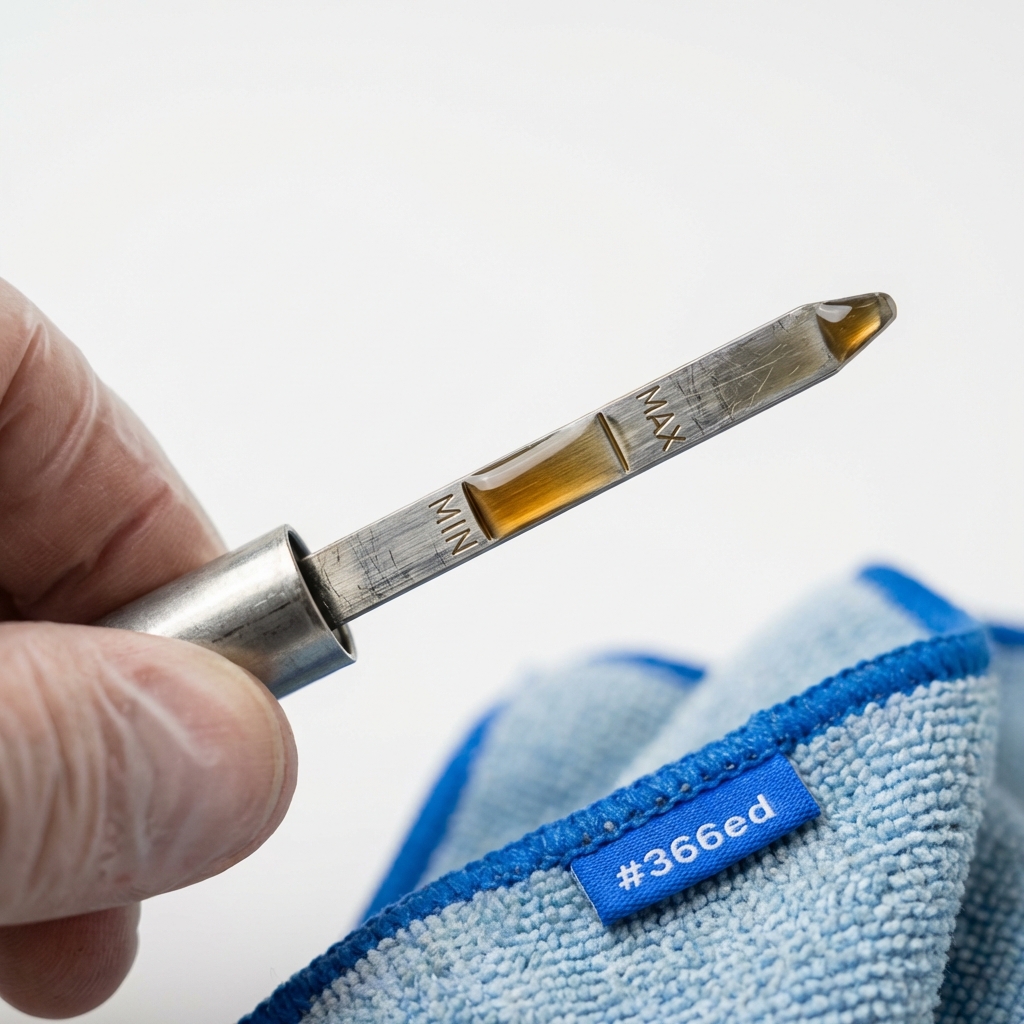
1. Gradual oil level drops — You notice the dipstick creeping lower between normal service intervals. 2. Blue or gray smoke on startup — Often a sign oil is entering combustion chambers. 3. Increased oil smell or visible exhaust smoke under load — Noticeable during acceleration or sustained highway driving. 4. Frequent top‑offs recorded in service history — A red flag in paperwork that suggests a long‑term management approach rather than a permanent fix.
What causes Mazda oil consumption?
There’s no single root cause for every case, but recurring themes emerge:
Piston‑ring wear or sealing issues — When rings no longer seal the combustion chamber, oil can pass into the cylinders and burn. Valve guide and seal wear — Aging valve seals let oil drip into the intake and combustion chambers. PCV (Positive Crankcase Ventilation) problems — A clogged or malfunctioning PCV valve can let pressure build and force oil past seals. Software/calibration — In some cases, engine-management software settings influence oil control and can be improved with updates. Design tolerances — Some theories in the technical community point to piston‑ring design or valvetrain lubrication behavior as contributing factors in specific engine families.
How serious can it get?
Severity sits on a spectrum. At the easy end are inexpensive fixes — PCV valve replacements, valve seal swaps, or a software reflash. These usually stay under $1,000. At the severe end, worn piston rings or damaged cylinder walls require engine‑out work, partial rebuilds, or full replacements. Those jobs can exceed $2,500 and, in extreme cases, climb past $6,000.
Diagnosis: what to ask your mechanic
Before committing to major repairs, insist on a proper diagnosis. Useful diagnostics include:
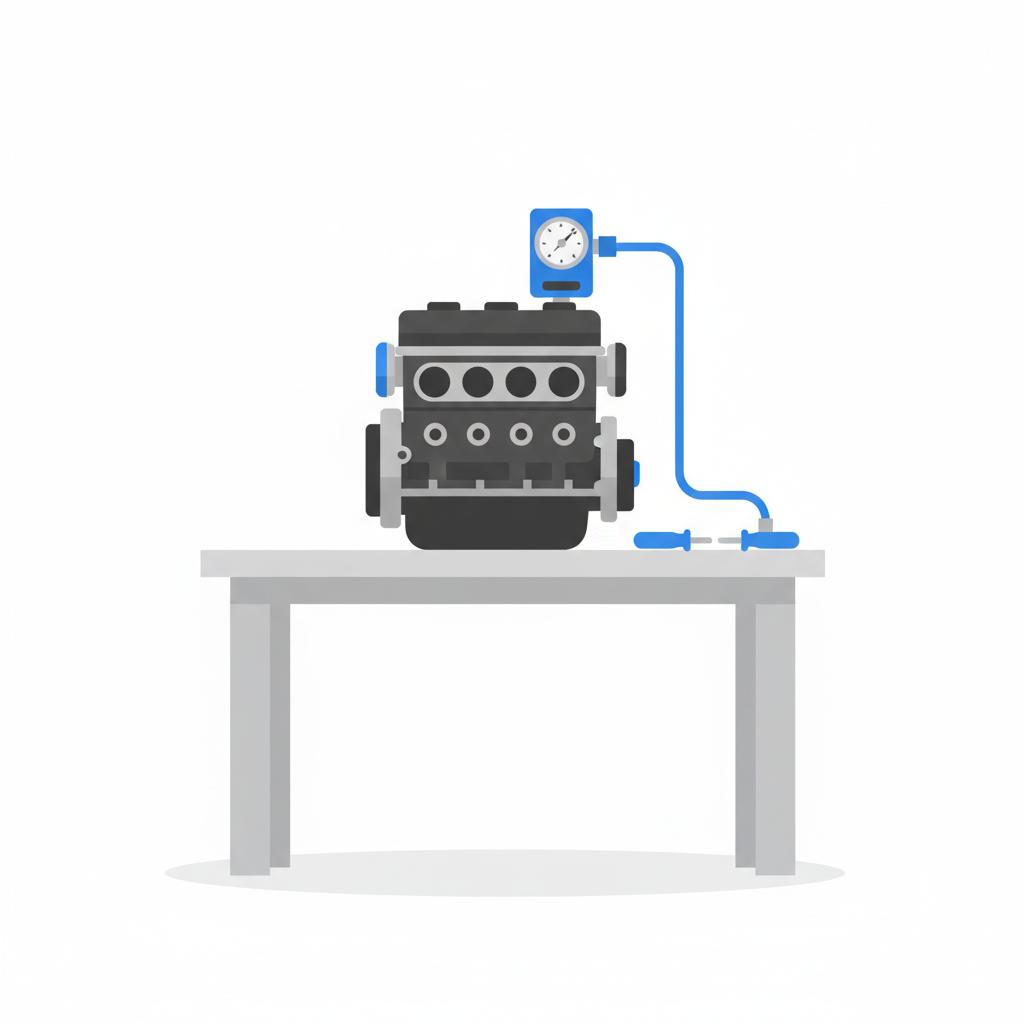
Compression test: Measures how well each cylinder seals under combustion pressure. Leak‑down test: Pinpoints where pressure is escaping—rings, valves, or head gasket. Spark plug inspection: Oil‑fouled plugs indicate oil is entering cylinders. PCV system check: A functioning PCV is critical to controlling crankcase pressure. Borescope inspection: Allows a visual check of cylinder walls if results point to ring or wall damage.
These tests cost a bit up front but can prevent expensive and unnecessary repairs later on.
No—while Mazda oil consumption is a documented concern for certain Skyactiv‑G 2.0L and 2.5L engines in roughly 2014–2022 models, it is not universal across all Mazdas. VIN‑specific checks, service history, and a thorough inspection help identify affected cars.
Not all Mazdas have this problem. While Mazda oil consumption is a well‑documented issue for certain Skyactiv‑G 2.0L and 2.5L engines in model years roughly 2014–2022, many Mazdas — especially those outside that engine family or older non‑Skyactiv mills — do not share the same pattern. The issue is concentrated, not universal. That’s why VIN-specific checks, TSB searches, and a thorough inspection matter so much when you buy.
Transmission and infotainment: other recurring troubles
Transmission shudder and shift quality
Another repeating theme involves the Skyactiv‑Drive automatic transmissions in some models. Owners report a low‑speed shudder, judder during acceleration, or abrupt, hard shifts between gears. These symptoms may be caused by:
- Old or degraded transmission fluid - Valve body wear or contamination - Torque converter issues - Transmission software calibrations that need updates
Often, shops start with a transmission fluid service and software update. If the issue persists, the valve body or torque converter may require repair or replacement—costs that can be anywhere from a few hundred to several thousand dollars depending on the scope.
Infotainment and electrical quirks
Infotainment glitches — frozen screens, Bluetooth pairing problems, or sudden reboots — are common but usually not dangerous. They’re typically solved with firmware updates or by replacing a faulty head unit. When you test drive a Mazda, try pairing your phone, use Apple CarPlay or Android Auto, and navigate menus to ensure the system behaves reliably.
Pre‑purchase inspection: an actionable checklist
When you’re considering a used Mazda, the inspection matters more than a shiny exterior. Ask for a hands‑on inspection and request these checks:
Exterior and leaks — Look under the car for oil spots; check for mismatched parts or fresh sealant that signals past repairs. Exhaust — Observe for blue/gray smoke on cold startup and under acceleration. Dipstick log — Check the oil level and ask for a log of oil top‑offs; frequent additions are a red flag. Compression/leak‑down — Require these tests if oil consumption is suspected. Spark plugs — Have the inspector remove a plug to check for oil fouling. PCV system — Confirm it’s functioning and not clogged. Transmission test drive — Note any shuddering, hesitations, or loud shifts during real-world driving.
What to do with the inspection results
If the inspection shows minor, fixable causes (clogged PCV, valve seals), those are often reasonable to accept or to ask the seller to repair before sale. If the results point to piston‑ring wear or other internal problems, negotiate a price reduction to cover repair or walk away—these problems can be expensive and recurring.
Using vehicle history and data to inform your choice
A clean inspection is only part of the story. Service history, prior repairs, and accident records help round out your view of risk. That’s where a verified history from a trusted source matters. CARFAX Deals bundles vehicle history with price context so you can see whether a car has had repeated oil top‑offs, engine work, or transmission repairs—signals that combine with inspection findings to guide your decision. A quick look at the history summary often reveals recurring oil top‑offs.
How to read service records effectively
Service records can be comforting—but they can also hide patterns. Watch for:
- Multiple oil top‑off entries without large repairs listed - Repeated PCV or valve cover work that suggests continual management rather than cure - Recent major engine work that could indicate a past serious issue (and ask for a warranty on that work) - Transmission repairs or fluid change entries around the time complaints are reported in forums or TSBs
Repair tiers and typical costs
Think of potential repairs in three tiers:
Tier 1 — Quick, inexpensive fixes (usually under $1,000): PCV valve replacement, valve seal replacement, gaskets, software updates. Tier 2 — Mid‑range services ($1,000–$2,500): Intake cleaning, turbo service on turbocharged models, more extensive valve‑train repairs, or partial engine work. Tier 3 — Major internal repairs ($2,500+): Piston ring replacement, cylinder re‑honing, engine rebuilds, or engine replacement.
Always ask a shop for a full diagnostic before agreeing to Tier 3 work. Many shops will perform compression and leak‑down tests to confirm root cause and provide a clear estimate.
Warranty, TSBs, and manufacturer responses
Mazda has issued technical service bulletins and, in some cases, targeted warranty actions for certain VIN ranges. TSBs provide dealer guidance but aren’t recalls and don’t always mean a free repair for owners. Ask dealers to run VIN checks for open recalls, TSBs, and warranty extensions. For a specific TSB reference see the NHTSA bulletin: static.nhtsa.gov/MC-10203724-0001.pdf.
Practical ownership habits that reduce risk
Simple owner routines prevent many small issues from becoming big ones:
- Check the oil at least every fuel fill or every 500–1,000 miles during early ownership. - Keep a maintenance log of oil additions and services. - Use the manufacturer‑recommended oil grade. - Avoid extended intervals between oil changes; frequent short trips can accelerate buildup and wear. - If you notice increased consumption, start diagnostics early.
How much oil consumption is too much?
Manufacturers sometimes accept up to 1 quart per 1,000 miles as within tolerance for some engines. Modern expectations tend to be stricter. If you’re adding a quart every 500 miles consistently, that’s a red flag demanding diagnosis. Use your owner’s manual and a trusted technician as guides.
Negotiating and buying strategies
Approach used‑Mazda buying with a mixture of curiosity and skepticism. Steps that protect you:
- Insist on a hands‑on pre‑purchase inspection with compression/leak‑down tests if oil use is suspected. - Pull a verified vehicle history report to check for repeated oil top‑offs or engine work. - If the inspector finds concerning signs, either negotiate a price reduction to cover repair costs, ask the seller to fix the issues before sale, or walk away. - Consider the total cost of ownership, not just the sticker price; factor in likely maintenance based on the inspection and history.
Case study: a deal walked away from
I helped a friend evaluate a tidy late‑model Mazda at a small dealer. The price was lower than comparable cars and the service stickers looked complete. A service history showed frequent oil top‑offs at small shops but no major engine repairs. A pre‑purchase inspection found fresh valve cover work and a cleaned PCV system—evidence the owner had been managing oil use rather than fixing the root cause. We declined to buy; the dealer later dropped the price to reflect the need for deeper engine repair. The takeaway? A full view—inspection plus verified history—caught what surface checks missed.
Maintenance plan for current owners
If you already own a Mazda, a calm, methodical approach works best:
1. Keep a log of oil additions and miles. 2. Start with inexpensive checks: PCV inspection, valve seal condition, and any available software updates. 3. If consumption persists, ask for compression and leak‑down tests. 4. Consider mid‑range repairs (valve seals, gaskets) if diagnostics point that way. Reserve major internal work for confirmed piston‑ring or cylinder damage.
When to consider an engine rebuild or replacement
Engine rebuilds are appropriate when diagnostics confirm ring wear, scored cylinders, or other internal damage that cannot be solved with surface repairs. Before agreeing to an engine rebuild, get multiple estimates and consider a quality used or remanufactured engine as an alternative—then compare lifetime cost and warranty offerings.
Common myths and misconceptions
Myth: All Mazdas burn oil. Reality: The problem is concentrated in specific Skyactiv engines and certain model years. Many Mazdas do not have this issue.
Myth: If the dealer top‑ups the oil, the car is fine. Reality: Dealers or owners may manage consumption with frequent top‑offs instead of repairing the root cause. Service records showing repeated top‑offs are a warning sign. A proposed class action also alleges some vehicles have defects leading to excessive oil use: classaction.org article.
Quick buyer’s checklist
Before you sign, confirm:
- No visible oil leaks under the car - Dipstick level and recent oil additions - No blue/gray smoke on cold startup - Compression/leak‑down tests when oil use is suspected - PCV system check - VIN search for TSBs, recalls, and warranty extensions - Verified vehicle history report from a trusted provider
Using CARFAX Deals to reduce risk
Tools that combine verified history and pricing context, like CARFAX Deals, give buyers an evidence layer that complements inspection findings. A vehicle history report highlights repeated oil top‑offs, service notes, and earlier engine or transmission repairs—data that helps you decide whether a car is a smart buy or a risk to avoid. For more on running reports and interpreting results, see how to use CARFAX Deals.
Final thoughts
No car is perfect. Mazdas reward attentive owners with enjoyable driving dynamics and reliable service when cared for properly. The most common problem buyers ask about—Mazda oil consumption—is real for certain engines but manageable with the right checks, timely diagnostics, and informed buying decisions. Use a verified vehicle history, insist on a thorough inspection, and don’t be afraid to walk away if the risk is too high.
With a little diligence, most Mazda owners enjoy years of trouble‑free driving. Take the time to check the dipstick, read the history, and listen for odd noises—your future self (and your wallet) will thank you.
The highest concentration of reported oil consumption issues appears in Skyactiv‑G 2.0L and 2.5L four‑cylinder engines manufactured roughly between 2014 and 2022. Not every Mazda from those years will have the problem, but those engine families receive more owner reports and technical service bulletins related to oil use.
During a test drive, look for blue or gray smoke on cold startup and under hard acceleration, a strong oil smell in the cabin or exhaust, and frequent oil top‑offs recorded in the service history. Ask for a compression or leak‑down test if the seller or inspector suspects oil consumption; checking spark plugs for oil fouling is also a quick clue.
Yes—CARFAX Deals provides verified vehicle history reports and pricing context that can surface repeated oil top‑offs, prior engine or transmission repairs, and service records that help you assess risk. While a report doesn’t replace a hands‑on inspection, it complements it by revealing patterns in maintenance and repairs.
In short: oil consumption in specific Skyactiv engines is the most common and noteworthy problem with Mazda, but with careful inspection, VIN checks, and basic maintenance the issue is manageable—happy shopping and safe driving!

 Blog
Blog