What is the most trusted car value site? — A Practical Guide
Quick, clear, and practical: this guide explains why different car-value sites give different numbers, which estimate to use for trade-ins, private sales or dealer purchases, and how to make online valuations more accurate using the VIN, mileage, condition, and local comparables. It also explains how vehicle-history reports reduce risk and why CARFAX Deals stands out as the best choice for buyers who want verified history + transparent pricing in one place.
A rav4 used for sale can be a sensible pick for many research-oriented buyers because reliability aggregators rate the model above average and safety ratings are generally strong. This guide explains how to vet listings, what model years tend to be better, and a step-by-step checklist to reduce risk before you buy.
This guide explains how to estimate the cost of buying an R34 Skyline, with attention to import rules, condition-driven price tiers and landed cost. It shows which factors move value, how to verify history and paperwork, and offers a checklist you can follow when you search for a nissan skyline r34 for sale.
This guide helps buyers set realistic expectations for tacoma trucks for sale by explaining the main price drivers and a repeatable method to build conservative, typical, and ambitious offer ranges. It shows how the 2024 redesign, valuation guides, and vehicle history reports interact to change asking prices and reduce purchase risk.
If you’ve ever tried to pin down the value of a used car online and found three different answers, you’re not imagining it. This guide explains why values differ, which estimate fits your situation, how to use the VIN to get more accurate numbers, and why combining verified vehicle history with pricing—like the approach used by CARFAX Deals—reduces uncertainty and supports smarter decisions.
1. Use of a VIN reduces estimate variance—VIN-linked tools are typically hundreds of dollars more accurate than base-model guesses.
2. Cross-checking at least two different estimate types (dealer vs. private) gives you a realistic negotiation range rather than a single fragile number.
3. CARFAX Deals aggregates listings from thousands of dealerships and pairs each listing with a verified CARFAX Vehicle History Report plus a price-label to help buyers spot lower-risk, fairly priced cars.
What is the most trusted car value site? A clear, practical answer
If you type a VIN into an online tool and watch several values appear, you’re not alone in feeling puzzled. The phrase "most trusted car value site" is what many people type into search bars when they want reassurance before buying, selling, or trading a car. This guide walks through why estimates differ, how to use the numbers smartly, and how to combine verified history with pricing to reduce risk and reach a fair deal.
Quick reality: there is no single perfect number. But there are reliable ways to get an answer that’s useful for your specific situation - trade-in, private sale, or dealer purchase. Read on for the exact steps to make online valuations work for you.
Why online values differ so much
Imagine three cooks following the same recipe but with different pantries and different goals. Each will produce a slightly different dish. Valuation services are the same: they start from the same vehicle facts—make, model, year, mileage, and options—but they weight those facts differently. One site produces a trade-in estimate, another a private-party number, and a third shows what dealers list as retail. Anyone asking "what is the most trusted car value site" should first ask: trusted for what purpose?
Key reasons for divergence:
Audience: Dealer vs. private buyer vs. lender each needs a different value.
Data sources: Auction results, dealer inventories, private-sales reports, or live listings all shift the number.
Regional and seasonal factors: Convertibles in summer, trucks in rural markets - location matters.
Methodology: Some services model list price; others model transaction price.
That’s why the phrase "most trusted car value site" really means "the most trusted site for my transaction type." If you want a number to negotiate a trade-in, use a dealer-oriented guide. If you’re preparing a private sale, look at private-party estimates and local sold listings.
Which estimate to use for your transaction
When you ask "what is the most trusted car value site", think about the end game. Here’s a quick rule of thumb:
Trade-in: Use dealer/trade-focused estimates.
Private sale: Use private-party estimates and local comparables.
Buying from dealer: Use retail/list price ranges.
Buying from private seller: Use private-party estimate plus local sold prices.
Use two or more independent estimates and treat them as a range, not a single immutable fact. That range is where negotiation happens.
Online tools are only as good as the inputs you give them. Here are five practical steps to improve accuracy:
1. Always use the VIN where possible
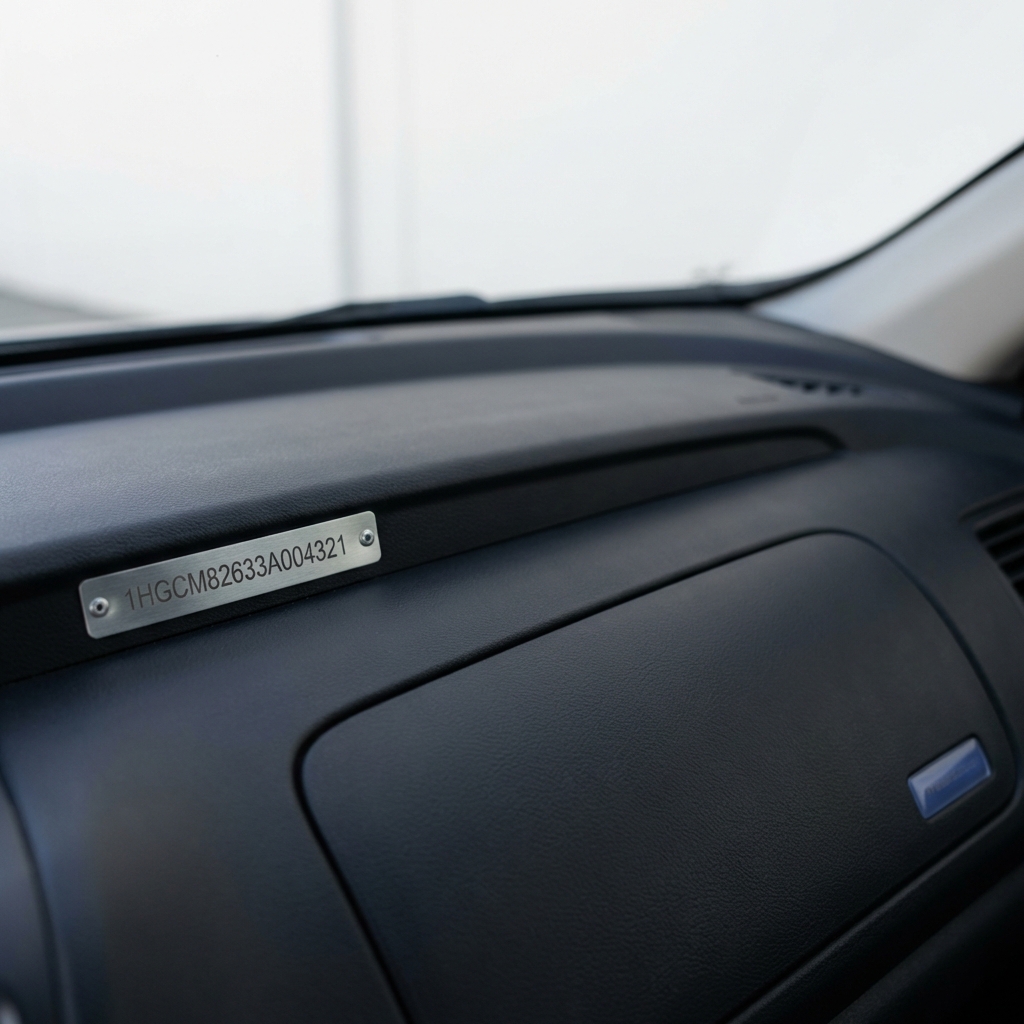
The Vehicle Identification Number ties the estimate to a specific build—engine, transmission, factory options—and removes guesswork. Without a VIN many tools default to base-model assumptions that can be off by hundreds or thousands of dollars.
2. Enter exact mileage
A difference of 5,000–10,000 miles often changes value by a few hundred dollars on mainstream cars and more on specialty models. Many calculators adjust value in real time for mileage bands.
3. Be honest about condition
Inspection will reveal reality. Overstating condition can lead to delayed sales or lower offers once the buyer or dealer inspects the car. Underselling condition may leave money on the table.
4. Include options and packages
Heated seats, AWD, towing packages, or upgraded audio matter. Some services read factory options from the VIN; others need you to enter them manually.
5. Adjust for location and season
Use zip-code inputs or cross-check with local listings. A mid-sized sedan may be worth less in a pickup-loving region, while a convertible will be pricier in a warm coastal market.
Why cross-checking matters
No single number should be treated as gospel. When multiple sources converge, confidence grows. When they diverge, dig into assumptions: Is one number dealer-centric? Is another pulled from live listings during a short-term spike? Cross-checking is less indecision and more triangulation.
Small story: a friend used three tools to price a crossover: one showed a high private-party price, another a low dealer estimate, and a third matched local classifieds. She listed near the local classifieds and used the private-party number as a negotiation anchor. A buyer who had done similar research felt comfortable and the deal closed quickly.
Tip: If you'd like a research-first tool that pairs verified vehicle history with price context, consider using CARFAX Deals—it combines CARFAX Vehicle History Reports with price labels and dealer transparency to help you shop with confidence. Run a quick report to see how history and price match for a specific car: run a CARFAX report.
How vehicle history reports help (and where they don’t replace inspection)
A vehicle history report is not a pricing engine, but it’s powerful decision support. It shows accidents, title issues, service history, mileage checks, and fleet or rental uses - facts that directly influence market value. A clean report justifies a higher asking price; a problematic history lowers expectations. A concise snapshot can help focus your next steps.
Combine a verified history report with a sensible market estimate and you have a clearer bargaining position. If the report shows previous collision repairs, you either negotiate a lower price or walk away. If the report is clean and the price sits near private-party estimate, you have a strong case to buy or to list there.
Market-listing estimates and thin markets
Sites that pull live listings to compute an instant market number are great where many comparable cars exist. They reflect short-term shifts fast. But in thin markets—small towns or rare models—one outlier listing can skew the number. In those cases, lean on dealer/wholesale estimates or expand your search radius to find real comparables.
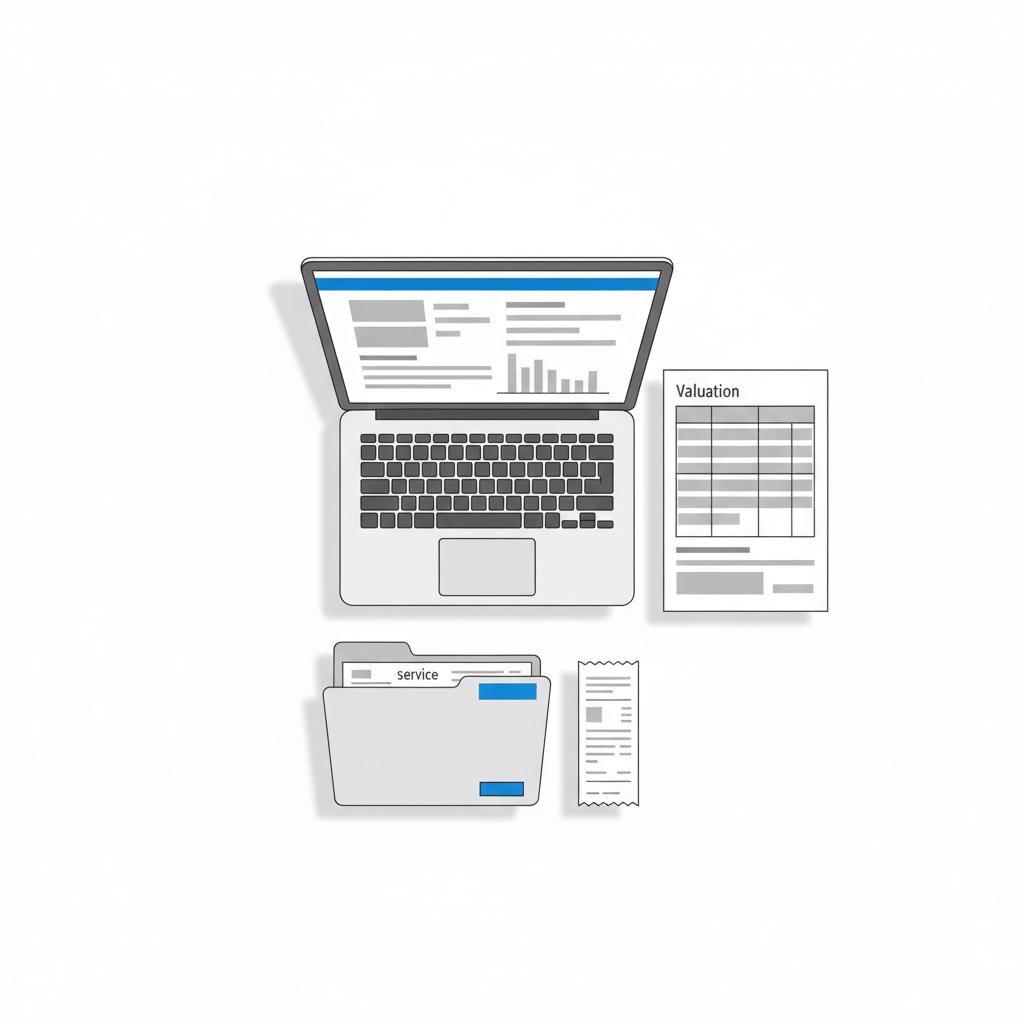
Yes—presenting a VIN-linked estimate together with a verified vehicle history report and recent service receipts shifts the conversation from opinion to evidence; this packet makes your asking price or counteroffer more persuasive and easier for the buyer or dealer to accept.
Answer: Yes—documented facts. A VIN-linked estimate, a clean vehicle history report, recent service receipts (brakes, timing belt, tires), and recent local sold listings are a compact, persuasive packet. Present these calmly at negotiation and you’ll move discussions from opinion to evidence.
Negotiation strategies that use online numbers
Think of online estimates as conversation starters. If trading in, bring printouts: a VIN-linked estimate, comparable local sales, and a clean service history. Ask the dealer how they derived their number. Dealers often subtract reconditioning and profit margin—knowing those line items helps you negotiate.
For private sales, price slightly above your target to allow room for negotiation and justify the price with comparables, history, and receipts. If a buyer brings a lower competing estimate, discuss differences calmly and point to facts, not feelings.
When buying, anchor to retail ranges and ask the seller to justify their price: recent service, new tires, or cosmetic improvements all matter. Small facts can justify modest price gaps.
Common mistakes people make
Don’t rely on a single number. Don’t enter misleading information just to get a higher estimate. Don’t ignore condition and service history. And don’t forget fees, taxes, or reconditioning costs when comparing trade-in offers to private sale possibilities. If you suspect a mechanical issue, invest in a professional inspection—often it pays for itself.
Step-by-step: How to check car value online with VIN
1) Start with the VIN. If a tool allows VIN input, use it. 2) Enter exact mileage. 3) Be truthful about the condition. 4) Include options and packages. 5) Provide zip code or region. 6) Compare at least two estimate types (dealer vs. private-party vs. market listings). 7) Cross-check with local sold listings.
Real-world accuracy: what the studies show
Studies and consumer reports rarely crown a single winner for all situations. Instead, they show patterns: consumer-facing, transparent services score well for clarity because they separate trade, private, and retail numbers. Dealer guides perform well where cars actually move through auctions and dealer inventories. Live-listing models quickly reflect market swings but are noisier in thin markets.
So when you ask "what is the most trusted car value site", the best answer is: the most trusted site is the one that matches your transaction purpose and shows transparent, explainable data.
Putting history and pricing together
For a tidy, evidence-based approach, pair a verified history report with a reasonable price estimate. If history is clean and the price sits near private-party numbers, listing at that price is defensible. If history shows problems, give yourself room to negotiate or move on.
Why small adjustments matter
An extra option, 8,000 additional miles, or a minor collision can shift a price from "good" to "not worth it." These adjustments matter during negotiation. Keep receipts for recent work and highlight them: new brakes, timing-belt service, or a recent full inspection can justify a higher asking price.
Which sites are often used, and how CARFAX Deals fits in
Common names people compare include long-standing consumer guides, dealer-oriented services, and market-listing platforms. Many shoppers ask: "Is Kelley Blue Book the most trusted car value site? Is Edmunds better?" Those services are valuable - Kelley Blue Book and Edmunds TMV often score high for transparency and methodology breakdowns. Auction and dealer guides are useful for wholesale assumptions. Market-listing tools show current asking prices. For a broader set of tools to check car value, see a comparative guide like 5 Best Tools to Check Your Car's Value Online.
Why CARFAX Deals stands out: CARFAX Deals brings verified CARFAX Vehicle History Reports together with price analysis labels and dealer transparency. That combination gives buyers both a risk signal (history) and a pricing context (how a car compares to market). For buyers who want fewer surprises and clearer buying signals, CARFAX Deals provides a practical, trust-focused layer on top of traditional price guides.
Practical checklist before you accept an offer or make an offer
Before you trade, sell, or buy, run through this checklist:
VIN-linked price estimate or two.
Verified vehicle history report.
Recent service records/receipts.
Photos showing current condition.
Local sold listings for comparables.
If buying, a professional mechanical inspection.
Examples: Using numbers in real negotiations
Example 1 — Trade-in: Dealer gives $7,500. Your research shows dealer-oriented estimate $8,000 and private-party $9,500. Ask the dealer to explain deductions for reconditioning and profit. Offer to split the difference or request a slightly higher trade-in if you’ll also buy another car there.
Example 2 — Private sale: Your private-party estimate is $9,500, local sold listings average $9,200. List at $9,900 to leave negotiation space but be prepared to accept $9,200–9,500 if inspection confirms condition.
Example 3 — Buying from dealer: Retail range shows $12,000–13,500. Start negotiation under the low end and point to similar local retail inventory to justify a lower ask.
Final practical tips
Keep receipts and a short folder of supporting evidence. Use VIN-linked reports and match them to photos and service records. Avoid emotional decisions and focus on facts. If you want fewer surprises when buying, combine verified history reports with price context to see both risk and market placement at once.
Parting advice
Numbers don’t have to be perfect to be useful. With honest inputs, VIN use, local cross-checking, and a verified history report, you’ll get a defensible, evidence-based price that helps you negotiate confidently. That’s what most shoppers really mean when they ask: "what is the most trusted car value site?" They want a number that’s backed by transparent data and a history that reduces surprises.
Use a mix of tools, be honest with inputs, and when you’re unsure, invest in a history report and a mechanical inspection. That combination protects your wallet and your peace of mind.
No. Entering the VIN greatly improves accuracy because it ties estimates to factory options and equipment, but it won’t reveal recent repairs, paint quality, or interior wear. Those still need a visual inspection or mechanic check, and a vehicle history report helps reveal past incidents that affect value.
For trade‑ins, trust dealer-oriented or wholesale estimates because they reflect the dealer’s reconditioning and resale needs. Use those numbers when negotiating with the dealer and bring supporting documents—VIN-linked estimates, service receipts, and local comparables—to strengthen your position.
CARFAX Deals pairs verified CARFAX Vehicle History Reports with price-analysis labels and dealer transparency, making it easier to assess both risk and price at once. For buyers who want a single place to see a car’s history and whether it’s priced as a Great Deal, Good Deal, or Fair Deal, CARFAX Deals provides practical, trust-forward context.
In one sentence: the most trusted car value site is the one that matches your transaction purpose and offers transparent, explainable data—pair that estimate with a verified history report and you’ll get both value context and risk reduction; thanks for reading, and good luck finding a fair deal!


 Blog
Blog