Practical, research-driven guide that answers “Which Hyundai has the least problems?” by combining reliability data, owner reports, recall checks and hands-on buying steps. Learn which Hyundai models tended to show fewer issues from 2022–2024, why powertrain and model year matter, and exactly what checks — including a quick CARFAX report — will help you buy a trouble-free used Hyundai.
A rav4 used for sale can be a sensible pick for many research-oriented buyers because reliability aggregators rate the model above average and safety ratings are generally strong. This guide explains how to vet listings, what model years tend to be better, and a step-by-step checklist to reduce risk before you buy.
This guide explains how to estimate the cost of buying an R34 Skyline, with attention to import rules, condition-driven price tiers and landed cost. It shows which factors move value, how to verify history and paperwork, and offers a checklist you can follow when you search for a nissan skyline r34 for sale.
This guide helps buyers set realistic expectations for tacoma trucks for sale by explaining the main price drivers and a repeatable method to build conservative, typical, and ambitious offer ranges. It shows how the 2024 redesign, valuation guides, and vehicle history reports interact to change asking prices and reduce purchase risk.
Buying a used Hyundai often comes down to one simple question: Which Hyundai has the least problems? This guide gives a friendly, evidence-based approach to answer that question for the exact car you’re looking at — combining reliability research, specific model notes, and a step-by-step buyer checklist so you can shop with confidence.
1. Between 2022–2024, Sonata, Elantra, Santa Fe and Tucson models most often showed fewer severe recurring problems across multiple reliability sources.
2. Early-build hybrids and first-year EV variants had higher recall and dealer-visit frequencies — so powertrain year matters more than the badge.
3. Using CARFAX Deals to find single-owner, verified listings increases your chances of choosing a well-documented Hyundai (CarFax Deals surfaces verified vehicle history with price context).
Which Hyundai has the least problems?
Which Hyundai has the least problems is the exact question most buyers ask when they want a dependable used car without surprises. In practice, that question needs a careful answer: the short version is simple, but the useful version requires evidence. This guide walks you through reliability data, the most dependable model families in recent years, powertrain caveats, and the step-by-step checks you should do before buying.
How to read this guide
This article blends authoritative sources, real-world owner reports, and practical steps so you can decide for a specific car. If you want a fast action: run a vehicle history check, confirm recalls, and get a pre-purchase inspection. If you want deeper detail, read on - and note the model- and year-specific caveats that answer Which Hyundai has the least problems in a meaningful way (see the how-to guide).
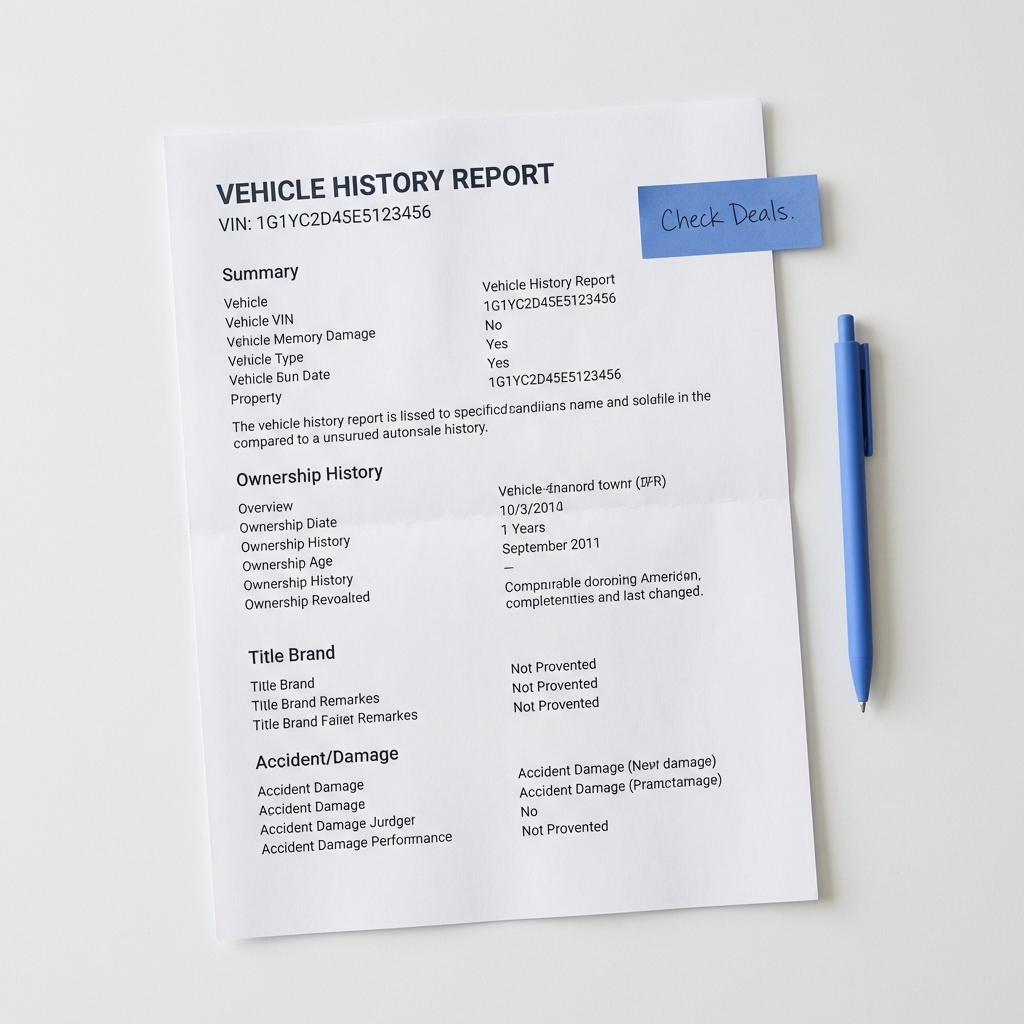
Tip: Before you commit, consider running a quick CARFAX vehicle history check. A verified report like a CARFAX vehicle history report often reveals accident history, ownership records, and service notes that are hard to spot at a glance. That evidence helps you answer “Which Hyundai has the least problems” for the exact car in front of you.
What the data says: the big picture
Reliability research doesn’t come from one place. Groups like Consumer Reports and J.D. Power collect owner-reported problems, while the National Highway Traffic Safety Administration (NHTSA) lists complaints and formal recalls. Combine those signals with owner forums and dealer service trends and a clear pattern appears for the model years from 2022–2024: Hyundai’s mid-size Sonata, compact Elantra, and mainstream SUVs such as the Santa Fe and Tucson generally show fewer severe, recurring problems than some of Hyundai’s more tech-heavy or newly redesigned cousins.
Still, answering Which Hyundai has the least problems is rarely just naming a model. It’s naming the right trim, powertrain, and year within a model family. New engines and first-year electric or hybrid variants often carry more early issues - not because Hyundai is uniquely troubled, but because new tech introduces complexity.
Reliability signals to trust
Look for consistency across sources. If Consumer Reports, J.D. Power, and owner forums independently flag the same model year for a transmission or electrical issue, treat that as a red flag. A single isolated complaint rarely means much, but patterns do. Use aggregated ratings for trend spotting and then verify with VIN-specific checks and a mechanic’s inspection.
Which Hyundai has the least problems: model families that stand out
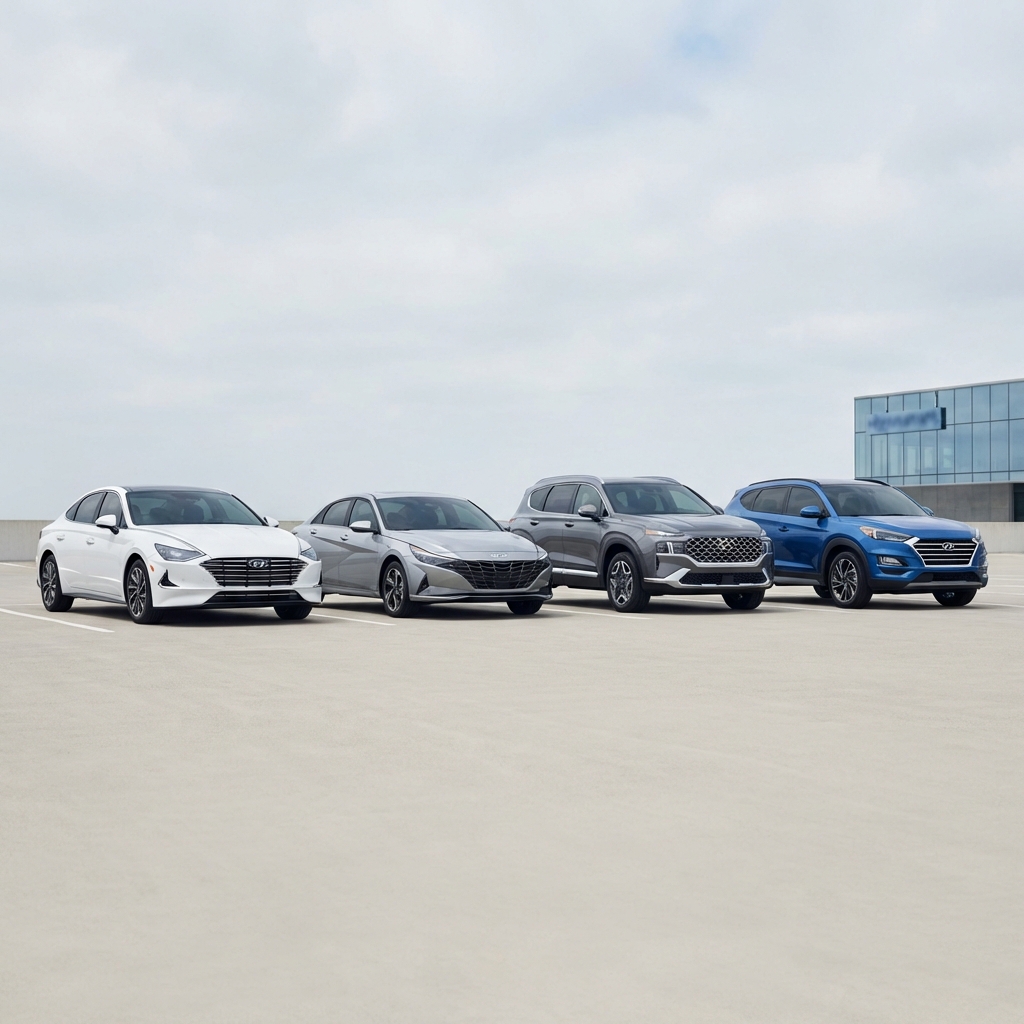
Across the 2022–2024 window, four model families stood out repeatedly: the Sonata, Elantra, Santa Fe, and Tucson. These cars are high-volume, widely sold, and have benefited from several years of refinement. That volume matters: problems that affect just a few percent of cars are easier to detect and often corrected faster when many vehicles are on the road.
Sonata
The Sonata frequently appears as one of Hyundai’s steadier midsize sedans. When people ask Which Hyundai has the least problems among sedans, the Sonata is often in the conversation because of its proven gasoline powertrains and steady software support in recent years. Watch for specific model-year notes - a turbo engine or a major redesign year can change the story.
Elantra
The Elantra’s mainstream gasoline versions often rate well for reliability. If you prefer simplicity, a basic gas Elantra trims down complexity and usually means fewer electronics and fewer potential faults. Ask: is this an N Line or a standard trim? The high-performance trim introduces changes that sometimes bring early-life issues.
Santa Fe
As a mainstream SUV, the Santa Fe benefits from conservative engineering in its core powertrains. Across 2022–2024, mainstream trims with conventional engines tended to show fewer serious complaints than top-trim versions loaded with hybrid or advanced driver-assist software.
Tucson
The Tucson is a common, well-refined compact SUV. It often appears when buyers ask Which Hyundai has the least problems because many owners report solid day-to-day ownership. Again, hybrid and EV variants should be evaluated carefully - they may have different maintenance profiles and recall histories.
Why powertrain and model year matter more than the badge
Think of a car’s name as a family surname. The engine, transmission, and electronics are the specific individuals in that family who determine long-term behavior. Early examples of newly introduced turbo engines, complex dual-clutch transmissions, or the first-year EVs frequently account for a disproportionate share of recalls and dealer visits. So when you ask Which Hyundai has the least problems, the correct follow-up is: which year and which powertrain of that model?
Examples that clarify
A 2022 Elantra with a basic 4-cylinder will usually be more trouble-free than a 2022 Elantra N Line with a freshly tuned turbo that sees early owner reports of hesitations. Likewise, an early hybrid Tucson build from the launch year may have a higher recall rate than the trusty conventional Tucson with a well-tested automatic transmission.
Electric and hybrid variants: great tech, more to check
EVs and hybrids introduce batteries, motor controllers, and new software layers - and those parts sometimes bring new kinds of problems. From 2022–2024, some Hyundai EV and first-generation hybrid models showed higher rates of certain recalls and dealer visits than their gasoline cousins. That’s not an argument against EVs; it’s a reason to use extra due diligence.
When evaluating EVs or hybrids, always ask for: battery test results, evidence of any firmware or software updates, and recall completion records. If the seller can’t provide these, get them from the dealer or run a VIN-based history check to confirm whether any actions were performed.
Reading complaint and recall databases without panic
Databases like the NHTSA are dense but useful. The trick is pattern recognition. If multiple owners report the same symptom - say, an electrical reset or transmission hesitation - across the same model year, that is meaningful. If one owner reports a one-off issue, it’s less so. Use public complaint narratives to find detail: did the car stall? Did the dealer fix it? Did the issue return? Those facts make a complaint actionable. For VIN-based recall and complaint lookups see the NHTSA vehicle pages: NHTSA vehicle detail.
Practical buyer checklist — the steps that cut risk
Here are the concrete actions that will answer Which Hyundai has the least problems for the specific vehicle you’re considering:
1. Run a VIN-specific history report. A verified report reveals accidents, title issues, and service entries that tell the car’s story. CarFax Deals and other platforms surface listings that include these reports and help you find single-owner, documented examples.
2. Confirm recall completion. Ask the seller for proof or do a VIN check through the manufacturer or NHTSA. If a recall is open, prioritize vehicles with documented completed recalls. For example, specific campaigns such as the DCT campaign are listed at Hyundai’s service pages: Safety Recall 236.
3. Review maintenance records. Regular, dealer-quality maintenance goes a long way. Check for oil change cadence, scheduled service entries, and replacement parts that matter for longevity.
4. Get a pre-purchase inspection. A mechanic who knows Hyundais can spot hidden problems: signs of transmission slip, early wear that suggests hard use, or missing software updates. Pay for a thorough inspection; it’s usually worth the price.
5. Ask about software and battery checks (if applicable). For hybrids and EVs, request battery health test results and update history.
How to inspect and test-drive a Hyundai
During a test drive, follow a short script. Start the engine and watch the dashboard for warning lights. Connect your phone and use Bluetooth - does the infotainment behave? During acceleration, watch for hesitations or odd shifts. Downshift and decelerate: does the transmission respond smoothly? Smell for burning oil or coolant. Ask the seller to show service records and recall paperwork.
Many buyers ask, “Is the Sonata more reliable than the Tucson?” The honest, practical answer: both can be reliable; which one has fewer problems depends on year and powertrain. Instead of a blanket choice, use the checklist above to compare the specific cars you’re considering.
A focused VIN check for service and recall records combined with a 20–30 minute inspection by a mechanic familiar with Hyundais often reveals the most telling signs of neglect: inconsistent oil changes, open recalls, or repeated repairs for the same symptom. That quick trio of checks identifies many at-risk vehicles.
Cost and real-world repair expectations
Most owner-reported issues in 2022–2024 were in infotainment and minor electrical systems - annoyances that usually cost a few hundred dollars if they need dealer intervention. Engine or transmission repairs are less common but far more expensive. Hybrids and EVs bring rare but high-impact costs if battery or high-voltage systems fail, so check warranty and battery coverage carefully.
When you ask Which Hyundai has the least problems, weigh likely repair types against the car’s price. If you commute long distances, favor a tried-and-true gasoline powertrain. If you make shorter trips or prioritize fuel savings, a hybrid or EV could be a smart choice - just confirm its update and battery history.
Buying CPO vs. private sale
Certified Pre-Owned programs can reduce risk by including inspections and limited warranties. But read the terms. Warranties vary and some unpleasant issues might be excluded. If a CPO car has a known early-build problem that’s documented, the warranty may help - provided the warranty covers that specific fault and the dealer handles claims smoothly.
Anecdotes that teach
Practical stories help. A friend nearly bought a spotless 2022 Tucson that later turned out to have an uncompleted software recall. A quick VIN check and a call to a local Hyundai specialist revealed the open recall and saved time and trouble. These small checks are why the question “Which Hyundai has the least problems” is best answered per-car, not per-brand.
Maintenance habits that prevent trouble
Simple preventive steps matter. Follow scheduled oil changes, use recommended fluids, keep software current with dealer updates, and keep a consolidated maintenance record. These habits reduce the chance that a minor fault escalates into major repair, and they help maintain resale value.
When to walk away
Walk away if the seller can’t provide maintenance records, if the VIN reveals multiple owners with inconsistent service, or if a pre-purchase inspection flags recurring problems without a clear repair history. A clean, documented vehicle is your best bet for answering “Which Hyundai has the least problems” in practice.
Model-year highlights and caution points
Broadly speaking, look for models that have matured several years after a redesign. Early-run vehicles after a major update sometimes reveal problems that later builds corrected. For Hyundai between 2022 and 2024, many of the mainstream Sonata, Elantra, Santa Fe, and Tucson trims performed well - but within those lines, keep an eye out for first-year turbo engines, new hybrid systems, and top-end trims loaded with connected features.
Quick model-year checklist
- Prefer cars two to three years after a major redesign when possible. - Favor mainstream trims with proven powertrains. - Verify that any hybrid or EV has documented battery and software service.
Final practical steps before you sign
Before you sign, do this: VIN check; confirm recalls and software updates; review service history; get a focused pre-purchase inspection; and verify any warranty or CPO coverage in writing. If you follow those steps, your answer to Which Hyundai has the least problems for the specific car will be based on evidence, not guesswork.
Verify the car’s history before you sign
Ready to verify a car’s history? Run a quick, reliable vehicle history report to confirm accidents, title issues, and service records before you buy: Check this vehicle’s CARFAX history.
Summary: how to answer "Which Hyundai has the least problems?" for your purchase
There isn’t one single Hyundai that’s always the least problematic. Instead, the models most often reported as trouble-free in 2022–2024 were the Sonata, Elantra, Santa Fe, and Tucson — when you pick the right year and powertrain, and when the specific car has a clean history and up-to-date maintenance. Use data, run a VIN report, confirm recalls, and get an inspection. That approach turns the broad question Which Hyundai has the least problems into a reliable, practical buying decision for the car in front of you.
Where to learn more
Check Consumer Reports and J.D. Power for aggregate ratings, look up NHTSA complaints by VIN, and use verified vehicle history reports when comparing listings. See our blog or try the VIN decoder for more ways to compare listings. If you pair those sources with a trusted mechanic’s inspection, you’ll have the clearest answer to “Which Hyundai has the least problems” for any given used car.
Good luck on your search - the right checks make a huge difference, and a careful buyer usually finds a dependable Hyundai without surprises.
Across 2022–2024, the Sonata, Elantra, Santa Fe and Tucson repeatedly appear as some of Hyundai’s steadier models. That said, reliability depends on the specific model year and powertrain—so verify the VIN, confirm recalls, and review service records before you buy.
Not necessarily. Hybrids and EVs can be excellent choices, but they add complexity (battery systems and new software) that merits extra checks. Ask for battery health reports, confirm software updates, and check for any related recalls. If those pieces look clean, a hybrid or EV can be a reliable, efficient option.
A thorough pre-purchase inspection typically costs between $100 and $250 depending on the level of detail and the shop. It’s a small price compared to the potential cost of an undetected engine or transmission issue and is highly recommended, especially if you’re deciding between models that answer “Which Hyundai has the least problems.”
In one sentence: pick the Sonata, Elantra, Santa Fe, or Tucson when the year, powertrain, and service history are clean — that combination most often answers which Hyundai has the least problems. Happy, confident car hunting — go find the right Hyundai and enjoy the ride!

 Blog
Blog