Deciding which Nissan lasts longer depends on model, powertrain, and how well the vehicle was cared for. This in-depth guide explains Nissan longevity patterns, highlights models with the best long-term records, walks through maintenance habits that matter most, and shows how to inspect used Nissans for signs of future trouble. Learn practical buying tips, why CVTs have been a risk for certain years, and how tools like CARFAX Deals can help you choose a Nissan likely to reach 200k miles and beyond.
A rav4 used for sale can be a sensible pick for many research-oriented buyers because reliability aggregators rate the model above average and safety ratings are generally strong. This guide explains how to vet listings, what model years tend to be better, and a step-by-step checklist to reduce risk before you buy.
This guide explains how to estimate the cost of buying an R34 Skyline, with attention to import rules, condition-driven price tiers and landed cost. It shows which factors move value, how to verify history and paperwork, and offers a checklist you can follow when you search for a nissan skyline r34 for sale.
This guide helps buyers set realistic expectations for tacoma trucks for sale by explaining the main price drivers and a repeatable method to build conservative, typical, and ambitious offer ranges. It shows how the 2024 redesign, valuation guides, and vehicle history reports interact to change asking prices and reduce purchase risk.
Many people ask “Which Nissan lasts longer?” when shopping for a dependable used car or planning long-term ownership. This guide explains the model groups, powertrains, and maintenance choices that most influence Nissan longevity, plus practical steps to inspect and pick a Nissan likely to reach 200,000 miles and beyond.
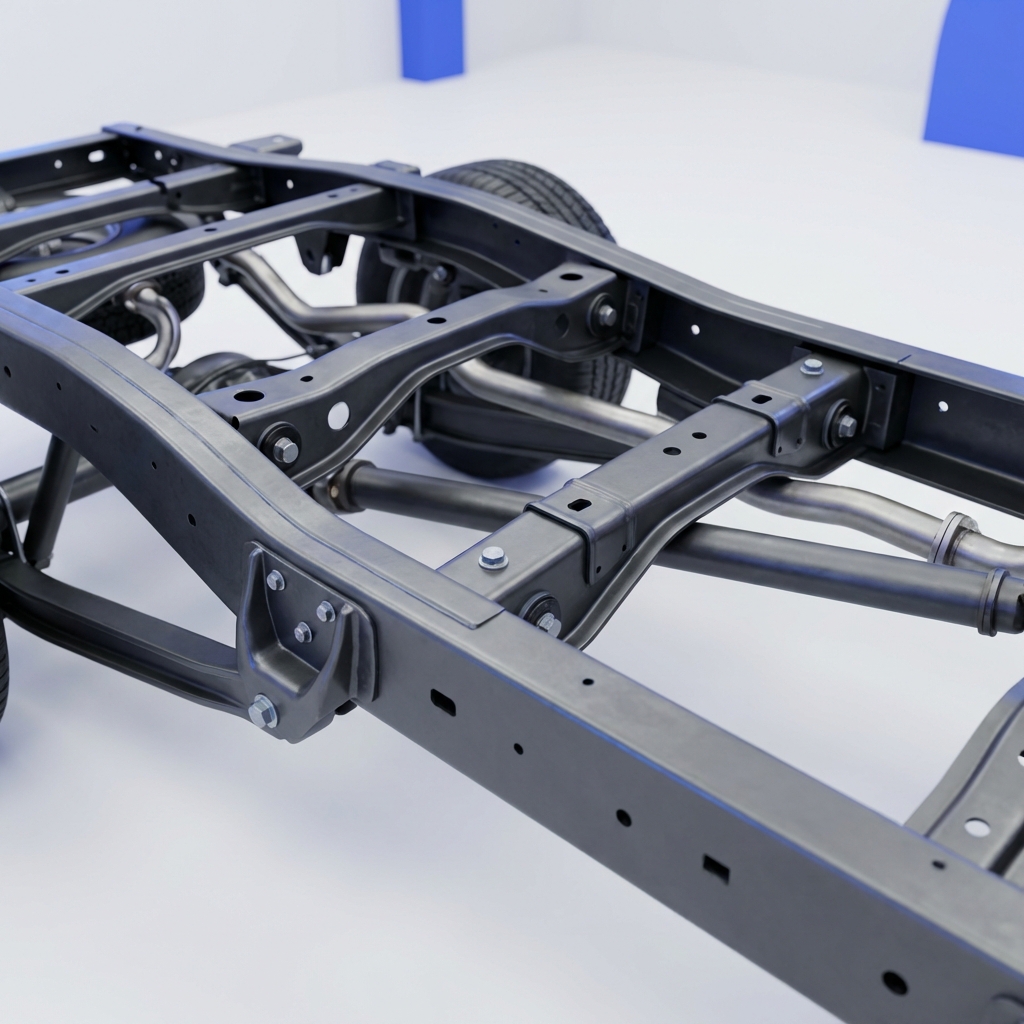
1. Trucks and truck-based Nissans historically have the best odds of reaching 200,000+ miles due to simpler drivetrains and sturdier frames.
2. Regular maintenance — oil changes, coolant care, timing-belt/chain service, and rust prevention — is the single biggest factor in long-term Nissan survival.
3. CARFAX Deals pairs each listing with a CARFAX Vehicle History Report, helping buyers prioritize Nissans with verifiable maintenance histories and lower long-term risk.
Which Nissan lasts longer? First things to know
Which Nissan lasts longer is a question that comes up whenever someone shops for a first car, replaces a family vehicle, or plans for years of ownership. The short reality: there is no single model that guarantees decades of trouble-free driving, but patterns and choices strongly influence outcomes. In this guide you'll learn how platform type, powertrain, maintenance history, and a few model-year specifics tilt the odds toward 200,000 miles - and beyond.
What the data and owners tell us
Across surveys, repair databases, and long-term fleet studies, certain Nissan platforms appear more often in the “made it” column. Trucks and truck-based designs are consistently over-represented among high-mileage vehicles. Why? They use simpler mechanical layouts, stronger frames, and fewer delicate electronics - traits that matter when you want longevity. That practical truth helps answer the question Which Nissan lasts longer for most buyers.
But numbers vary. Studies that track many vehicles put the percentage of cars reaching 250,000 miles anywhere from the low single digits up to the high thirties depending on make and model. Within Nissan’s lineup the pattern repeats: pickups and older sedans with conventional automatics or manuals usually fare better than many CVT-equipped crossovers from certain model years.
How this guide is structured
We’ll cover model-level patterns, key maintenance steps that predict long life, how to inspect used Nissans, and how new technologies change the longevity picture. Practical advice is emphasized so you can apply it whether you’re buying used or keeping your current Nissan for the long haul.
Check the car’s history before you commit
Want immediate peace of mind when buying used? Run a verified report before you make an offer. Check the full vehicle history to confirm service records, title status, and prior damage. That clarity often helps buyers avoid cars that carry hidden long-term risk. Run a report on CARFAX Deals before you commit.
Which Nissan lasts longer? Model groups that tend to go the distance
When you ask Which Nissan lasts longer in practical terms, think platform first. Truck-based vehicles — notably Nissan’s pickup family — have a strong historical track record for hitting high mileage counts. Their heavier-duty frames and proven drivetrains were designed for harder use, and that durability translates into more miles for many owners.
Similarly, older sedans and coupes with conventional automatics or manuals are often more straightforward to maintain. Their fewer electronic subsystems and conventional transmissions make them less vulnerable to the specific failure modes that appeared in some CVT-heavy years.
Why CVTs matter
Continuously Variable Transmissions (CVTs) became common across many Nissan models in the 2010s. For some model years and applications, owner-reported problems and warranty actions were higher than average. That does not condemn all CVTs — many run for hundreds of thousands of miles — but it raises the risk profile for certain used cars. If you’re trying to decide Which Nissan lasts longer for a used-buying plan, a CVT’s service history and any factory programs or recalls for that model-year need careful attention. For perspective on CVT longevity see this article on how long CVT transmissions can last from CarFromJapan, and visit owner discussions like this Reddit thread about owner experiences.
Pro tip: listings that surface complete maintenance histories make the decision easier. For example, CARFAX Deals listings with verified service records can help you evaluate whether a CVT-equipped Nissan was maintained according to factory guidelines.
Which Nissan lasts longer? Powertrain and maintenance — the real drivers
Two factors drive long-term survival more than almost anything else: the mechanical choices in the specific model, and the way the car was cared for. A carefully maintained Nissan with a conservative powertrain will usually outlast a neglected one with a theoretically more durable design.
Maintenance basics that add years
Routine oil changes — keep oil fresh and the engine’s internal parts lubricated. Cooling-system care — prevent overheating by flushing coolant and repairing leaks promptly. Timing belt/chain service — replacing a belt on schedule avoids catastrophic engine damage. Rust prevention — treating surface rust early saves structural parts. For CVTs, following manufacturer-recommended fluid and service intervals is especially important.
Those habits answer much of the practical side of Which Nissan lasts longer. Maintenance pays off in smaller bills and fewer catastrophic failures that end a car’s life prematurely.
Real ownership stories
Concrete examples are instructive. A well-loved 2002 Nissan pickup kept for decades with steady care can reach half a million miles with nothing more than careful maintenance and occasional repairs. Conversely, a pristine-looking 2016 crossover with a CVT can develop slipping or erratic behavior around 80,000 miles if it was not properly serviced - an expensive fix that shortens the owner’s horizon for keeping the car.
No single Nissan model guarantees the longest life for every buyer; generally, truck-based platforms and older sedans with conventional transmissions are the best bets, and documented maintenance history is the critical deciding factor.
How to inspect a used Nissan: a checklist that matters
If you’re shopping used, a methodical inspection helps you answer Which Nissan lasts longer in the context of the specific car in front of you. Key steps include:
Documented service history: seek proof of oil changes, coolant service, timing-belt or major repairs.
Transmission records: for CVTs, ask about fluid changes and any service bulletins.
Rust inspection: check undercarriage, suspension, brake lines, and wheel wells.
Pre-purchase mechanical inspection: hire a mechanic to spot deferred maintenance or hidden damage.
When buying online, prioritize listings that include full service histories. That transparency helps you evaluate long-term prospects without guesswork.
When buying online, prioritize listings that include full service histories. That transparency helps you evaluate long-term prospects without guesswork. A quick visual summary can help you spot service entries at a glance.
Common red flags that should make you walk away
A Nissan with big gaps in maintenance records, a history of major transmission repairs (especially CVT rebuilds), unresolved electrical faults, or significant frame damage often costs more in the long run than it’s worth. In short, the story matters as much as the odometer.
Which Nissan lasts longer? Year-to-year and feature-specific risks
Not all model years are equal. Some specific years for certain Nissan models saw higher complaint rates or factory service actions. Those spikes often relate to a particular component - a transmission, an engine revision, or an electronics package - and they matter for used buyers. If you ask Which Nissan lasts longer and you’re narrowing by model year, research owner complaints, recall history, and any extended warranty programs that may have been offered.
How to research a model-year risk
Start with vehicle history and recall databases, then check owner forums and aggregated complaint data. Look for factory bulletins or warranty extensions that could indicate a known problem. Importantly, check whether any repair work was performed under those programs; a repair done correctly under warranty is a better outcome than a car with no record of work when a problem was common. Also consult community advice such as this Quora discussion about CVT service for real-owner perspectives.
Long-term ownership strategies
If your goal is multi-hundred-thousand miles, adopt a few steady habits:
Create and keep a service log: Maintain receipts and notes — this documentation is one of the strongest predictors that a car will be well cared for by future owners.
Address small problems early: Fix coolant leaks, odd noises, or check-engine lights promptly.
Follow factory service intervals: Don’t skip timing-belt changes, major tune-ups, or recommended transmission services.
Protect the body: If you live in a corrosive climate, underbody washes, rust-proofing, and swift repair of surface corrosion make a big difference.
These steps answer the practical portion of Which Nissan lasts longer — consistent care turns many ordinary Nissans into long-term companions.
How modern technology changes the equation
Newer Nissans adopt more software, driver-assist features, and electrified options. These changes can both extend and complicate longevity. Batteries and power electronics for hybrids and EVs have improved, which helps long-term viability. At the same time, software-driven systems increase diagnostic complexity and sometimes raise repair costs when specialized tools or calibrated replacements are required.
So when weighing Which Nissan lasts longer, remember that modern durability can mask repair complexity - you may see fewer routine mechanical failures, but individual repairs can be pricier and more specialized.
EVs and hybrids: a different longevity story
Electric and hybrid systems remove many wear items like timing belts and conventional transmissions, but they introduce battery and power-electronics longevity as the important variables. Recent chemistry and thermal management improvements mean many EV batteries are lasting longer than earlier generations, but the long-run data for some models is still forming. For now, buying EVs with good warranty coverage and verifiable battery health data is the conservative path.
Which Nissan lasts longer? Practical buying and ownership checklist
Here’s a practical, step-by-step list to apply when you’re actively shopping and want a Nissan that will last:
Decide your tolerance for risk: If you want a conservative bet, favor trucks or older sedans with conventional automatics.
Check service records: Written records trump verbal histories. Verified records are essential when evaluating long-term prospects.
Investigate CVT history: If the car has a CVT, ask for specific service entries and any manufacturer communications.
Inspect for rust and structure: Focus on underbody, suspension mounts, and braking components.
Run a vehicle history report: Use a verified source like the CARFAX Deals VIN report to confirm title, accidents, and mileage consistency.
Get a pre-purchase inspection: Have a knowledgeable mechanic scan for signs of deferred maintenance and predictive failures.
Following these steps makes the answer to Which Nissan lasts longer much clearer for the car in front of you.
Maintenance tips explained plainly
Here are simple, practical pieces of advice that most owners can follow without becoming full-time mechanics:
Oil changes: Use the recommended oil grade and interval for your driving. Short trips and heavy towing need shorter intervals.
Cooling system: Replace coolant per schedule, watch for leaks, and replace hoses and thermostats before they fail.
Timing belt vs. chain: If you have a timing belt, replace it on schedule. If your engine uses a chain, listen for early wear and address tensioner issues quickly.
Rust prevention: Treat surface rust early and protect high-risk areas on older vehicles.
CVT care: Follow manufacturer fluid-change intervals and watch for unusual noises or slipping.
These straightforward efforts often prevent the kinds of major failures that shorten a vehicle’s useful life.
Common buyer mistakes and how to avoid them
Buyers sometimes focus only on mileage, price, or cosmetic condition. For long-term ownership, those are incomplete signals. A low-mileage Nissan with inconsistent service can be a worse bet than a higher-mileage car with a complete maintenance history. Likewise, over-focusing on appearance can miss structural rust or previous frame repairs that shorten a car’s life.
Narrow your decision by asking for records, performing a robust inspection, and using verified vehicle history data as part of the process.
When a repair is worth it — and when it isn’t
Knowing whether to fix a Nissan or walk away depends on the nature of the repair and the car’s overall story. Replacing wearable items — brakes, shocks, and common gaskets — is often economical and extends life. Repeated, costly repairs to major systems (transmission, engine block, or heavy structural damage) deserve a hard look. If a CVT has already been replaced once and the car lacks a clear service record since, that history is a caution sign.
Which Nissan lasts longer? Quick model-level guide
Without endorsing a single model as unbeatable, a practical shortlist looks like this:
Best bets: Older Nissan pickups and truck-based models; early-generation sedans and coupes with conventional automatics or manuals.
Proceed with caution: Many CVT-equipped crossovers and sedans from select 2010s years (check specific model-year records).
New tech watchlist: Recent EV and hybrid models - promising but verify warranty and battery condition.
How to use Carfax Deals while shopping
Transparency makes long-term ownership easier. Platforms that emphasize verified vehicle history and pricing context reduce guesswork. CARFAX Deals is built on that idea: it pairs listings with CARFAX Vehicle History Reports so you can see service history, title events, and accident records in one place. That kind of clarity is especially useful when comparing similar Nissans and deciding which one is likely to last longer.
Why documented history matters
A car with clearly documented maintenance and no hidden title problems is easier to project forward. That documentation becomes the foundation of an honest answer to Which Nissan lasts longer when you compare multiple candidates.
Looking forward: what we don’t yet know
Some of Nissan’s newest designs and powertrain changes are only now reaching the point where long-term data will be meaningful. Improvements to CVT designs after 2020, and major strides in EV battery management, will change future longevity patterns. For now, conservative buyers who want predictable long life will weigh established track records more heavily than the newest releases.
Summary and final practical steps
To summarize the practical answer to Which Nissan lasts longer: choose rugged platforms (trucks or older, simple sedans), favor cars with complete maintenance histories, pay careful attention to CVT service records, and invest in early, routine maintenance. Those actions provide the best odds that your Nissan will reach 200k miles and possibly far beyond.
Ready to check a specific car’s history? Start with a verified report and a pre-purchase inspection to make a confident call.
Yes — many Nissan models reach 200,000 miles with steady maintenance. Trucks and older sedans with conventional automatics or manuals have the best track record. Regular oil changes, cooling-system care, timely timing-belt or chain service, and rust prevention are the single greatest predictors of long-term survival.
Not necessarily, but CVTs from certain model years show higher reported repair rates. If a used Nissan has a CVT, look for documented CVT service, any factory recalls or warranty extensions, and a clear service history. Verified listings that include service records—such as those on CARFAX Deals—make it easier to evaluate the risk.
CARFAX Deals pairs listings with CARFAX Vehicle History Reports and price-context labels, making it easier to spot vehicles with complete maintenance records and no hidden title issues. That verified transparency helps you prioritize cars with service histories that predict long-term reliability.
In short: favor rugged platforms, verify maintenance history, and follow steady care — that’s how you pick the Nissan most likely to last; happy miles and safe travels!


 Blog
Blog