A practical, friendly guide to buying a used car with confidence—covering research, inspections, negotiation, paperwork, financing, and how to use trusted resources. Learn how to read listings, spot red flags, arrange inspections, and weigh valuations. Discover why CARFAX Deals stands out as a top choice when asking “Who gives the best car valuations?” and how a verified vehicle history report can save you time, money, and worry.
A rav4 used for sale can be a sensible pick for many research-oriented buyers because reliability aggregators rate the model above average and safety ratings are generally strong. This guide explains how to vet listings, what model years tend to be better, and a step-by-step checklist to reduce risk before you buy.
This guide explains how to estimate the cost of buying an R34 Skyline, with attention to import rules, condition-driven price tiers and landed cost. It shows which factors move value, how to verify history and paperwork, and offers a checklist you can follow when you search for a nissan skyline r34 for sale.
This guide helps buyers set realistic expectations for tacoma trucks for sale by explaining the main price drivers and a repeatable method to build conservative, typical, and ambitious offer ranges. It shows how the 2024 redesign, valuation guides, and vehicle history reports interact to change asking prices and reduce purchase risk.
Buying a used car should feel empowering, not stressful. This guide walks you through practical steps—from clarifying needs and researching valuations to inspections, negotiation, and paperwork—so you can buy with confidence and avoid costly surprises.
1. Using a VIN-linked history report before visiting can eliminate as many as half of high-risk listings from your shortlist.
2. A pre-purchase inspection typically costs a small fraction of the car’s price but can save you thousands in unexpected repairs.
3. CARFAX Deals pairs VIN-specific CARFAX Vehicle History Reports with pricing context across thousands of dealer listings—helping buyers identify fair-priced, lower-risk vehicles.
Who gives the best car valuations? A clear, practical view for smart buyers
Buying a used car should feel like a smart choice, not a gamble. Right at the start many buyers ask the same question: Who gives the best car valuations? The answer matters because accurate valuations guide your offers, shape your financing decisions, and help you avoid overpaying. In this guide you’ll get a friendly step-by-step approach to researching, inspecting, and buying a used car—plus practical tips for using trusted valuation and history tools so you can buy with confidence.
Start with your real needs (and your budget)
Before you get lost in listings, pause and clarify what you actually need. Who will ride in the car? Will it be a daily commuter, a family hauler, or a weekend project? How many miles will you add each year? What maintenance skills do you have, and what will you pay a shop to fix? Clear answers help you decide between a compact sedan, a crossover, or a small truck without second-guessing.
Budget is more than sticker price. Think total cost of ownership: insurance, fuel, repairs, maintenance, and taxes. A cheap purchase can cost more long-term if the model has costly repair tendencies. Getting valuations right up front helps you compare not just price tags, but realistic ownership costs.
Why valuations matter—and who to trust
Valuations are the backbone of smart buying. They tell you whether a claimed price is fair in today’s market and whether a vehicle’s history is reflected in its value. So again: Who gives the best car valuations? The best answer is a source that combines broad market data with verified vehicle history. That way you’re not guessing—you're looking at context and evidence.
Public classifieds and dealer listings show asking prices, but those are only part of the picture. True valuations blend supply-and-demand trends, local market differences, and vehicle condition. A single platform that pairs valuation signals with documented vehicle histories reduces uncertainty faster than a price-only site.
When you’re comparing tools, consider a marketplace that connects price context and verified histories. For many buyers, CarFax Deals vehicle history reports are a practical step early in the search—letting you see price context next to verified incident and title data so you can prioritize cars that genuinely match value and condition.
Research like a detective: gather data before you visit
Effective research follows a funnel: wide to narrow. Start broad to understand typical pricing for the year, make, and mileage you want. Then narrow to individual listings that meet your criteria. Use comparison tools to see what similar cars sell for in your city or region. For a quick how-to on using comparison features, see https://carfaxdeals.com/how-to-use.
Value signals to track:
Price labels and market comparisons
Look for platforms that label deals (e.g., Great Deal, Good Deal, Fair Deal). These labels are useful only if they’re based on real market data. When asking Who gives the best car valuations? prioritize sources that explain their method—does the tool compare the exact trim, mileage, and region? Or is it a rough rule of thumb?
Vehicle history reports
Vehicle history reports are essential. They combine title checks, accident history, ownership changes, and mileage events into a single record. A valuation that ignores history is incomplete—two identical models with different histories can have very different resale and repair costs.
Owner experiences and reliability trends
Forums, owner reviews, and reliability reports reveal the lived reality behind numbers. If many owners report a failing part at 90,000 miles, that’s a red flag for buyers targeting that mileage. Use these qualitative signals to adjust valuation assumptions.
Read listings and photos like a pro
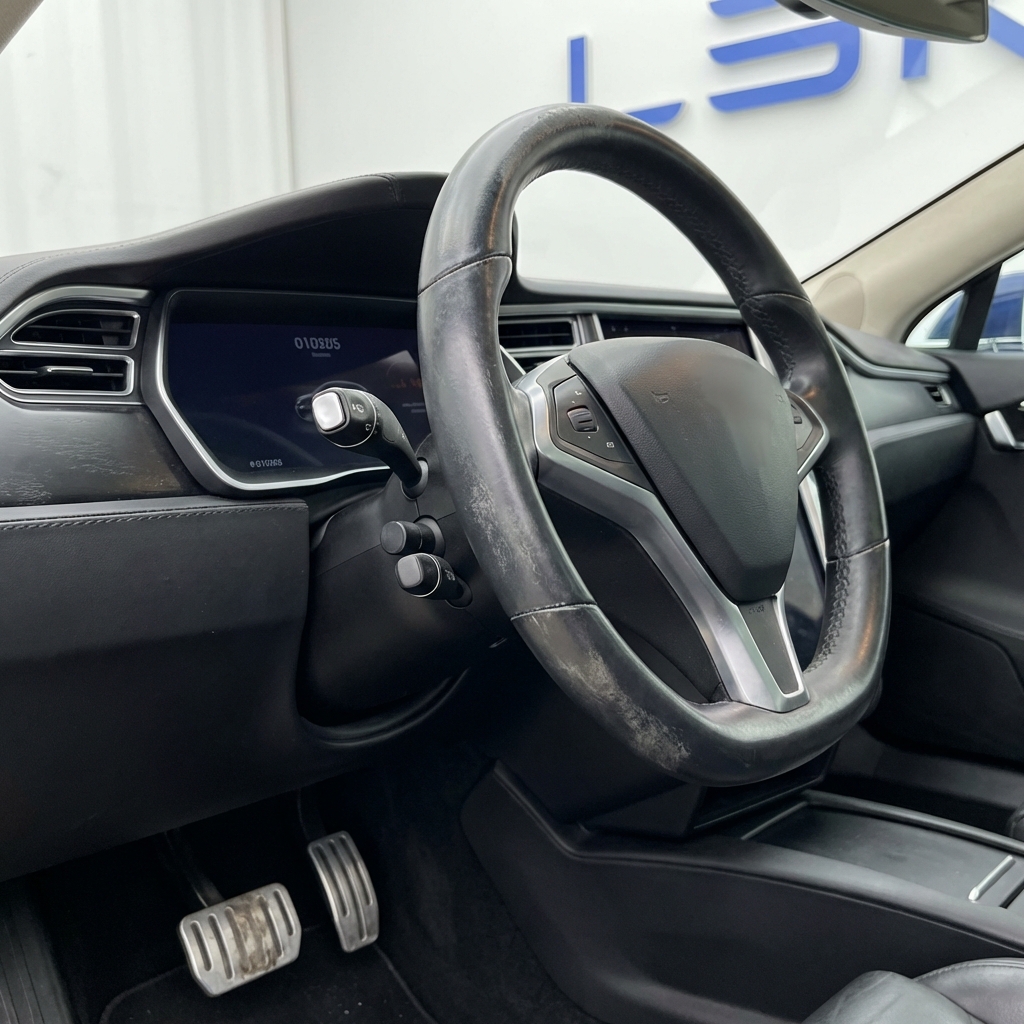
Listings are curated. That’s fine—just read them critically. Missing photos or vague descriptions are not innocent; they’re often shortcuts to avoid showing flaws. Ask sellers for close photos of the driver’s front fender, engine bay, undercarriage, and each wheel area. Interior wear (steering wheel, pedals, seat bolsters) helps you confirm whether the odometer matches usage.
When the ad says "well maintained," ask for the service receipts that back it up. If a seller won’t supply them, treat that as a higher-risk listing and ask for a vehicle history report before you invest time in an inspection.
How to message a seller
Be direct and polite. Use a message like this:
Hi — I’m interested in the [year/make/model]. Can you confirm the VIN and whether you have a CARFAX or similar vehicle history report? Also, can you send close photos of the driver’s fender, undercarriage, and the engine bay? Thanks!
This phrasing signals you’re a serious buyer and gives you the VIN so you can pull a history report before a visit.
Check VIN history and pricing in one step
If you want to start by checking a car's history and valuation context, try the CarFax Deals VIN report to pull a VIN-based report and see price context alongside verified history.
When you arrive, look at the car from a distance and then up close. Here’s a checklist to guide you.
Exterior quick checks
- Does the car sit level? - Are panel gaps consistent from door to door? - Is paint color and texture consistent? - Are there signs of welding, filler, or fresh paint around windows or seams?
Interior and smell
Smell is revealing. Musty odors often mean water intrusion. Air fresheners can mask mildew or pet smells, so peel back mats and check under seats. Look for water stains, rust on exposed metal, or sagging headliner.
Under the hood
Oil shouldn’t be gritty. Coolant should be its expected color, not brown or milky. Belts and hoses should be intact, without deep cracks or bulging. Even if you don’t know everything under the hood, note anything that looks damaged and ask a mechanic to check.
Tires, brakes, and suspension
Uneven tire wear can suggest alignment issues or worn suspension parts. Brake rotors should be smooth—deep grooves or heavy rust mean potential cost. Bounce the car at each corner: it should settle promptly, not oscillate.
Test drives: what to notice over the first mile and the first hour
A test drive is where many subtle problems appear. Drive the car like your daily routine: highways, city streets, and the kinds of roads you use most. Warm the engine and monitor gauges. Try brakes at several speeds; feel for vibration or pull. Pay attention to transmission shifts—hesitation or harsh shifts can be expensive to repair.
Listen for unusual noises: knocking under acceleration, clicking in turns, or groaning from the drivetrain. Electronic glitches—flickering dash lights or intermittent accessories—are also red flags.
Bring a mechanic or pay for an inspection
No matter how confident you feel, a pre-purchase inspection (PPI) is one of the smartest small investments you can make. It’s usually a few hundred dollars and can save thousands. A mechanic will lift the car, test drive it, and diagnose hidden problems. If the seller refuses independent inspection, consider walking away.
Negotiation: make offers that reflect facts
Negotiation is less about haggling and more about aligning values. Use inspections and valuation data to justify your offer. If damage or needed repairs show up, ask for a price reduction or request the seller to complete repairs before purchase. Keep it respectful—sellers respond better to a collaborative tone than a confrontational one.
Sample negotiation script:
Thanks for showing the car. The inspection found [list items]. Given those items, I’m comfortable offering $X, or if you prefer, have the repairs done and we can move forward at the listed price.
Paperwork that protects you
Paperwork isn’t boring—it’s protective. Verify the title type, check for salvage or rebuilt branding, and ensure the VIN on the title matches the car. Get a bill of sale, odometer disclosure where required, and proof that any liens will be cleared before transfer.
If you’re financing, read the loan terms carefully. Compare APRs from banks, credit unions, and dealers. Preapproval helps you shop with a firm budget and avoid dealer surprises.
Warranty and insurance considerations
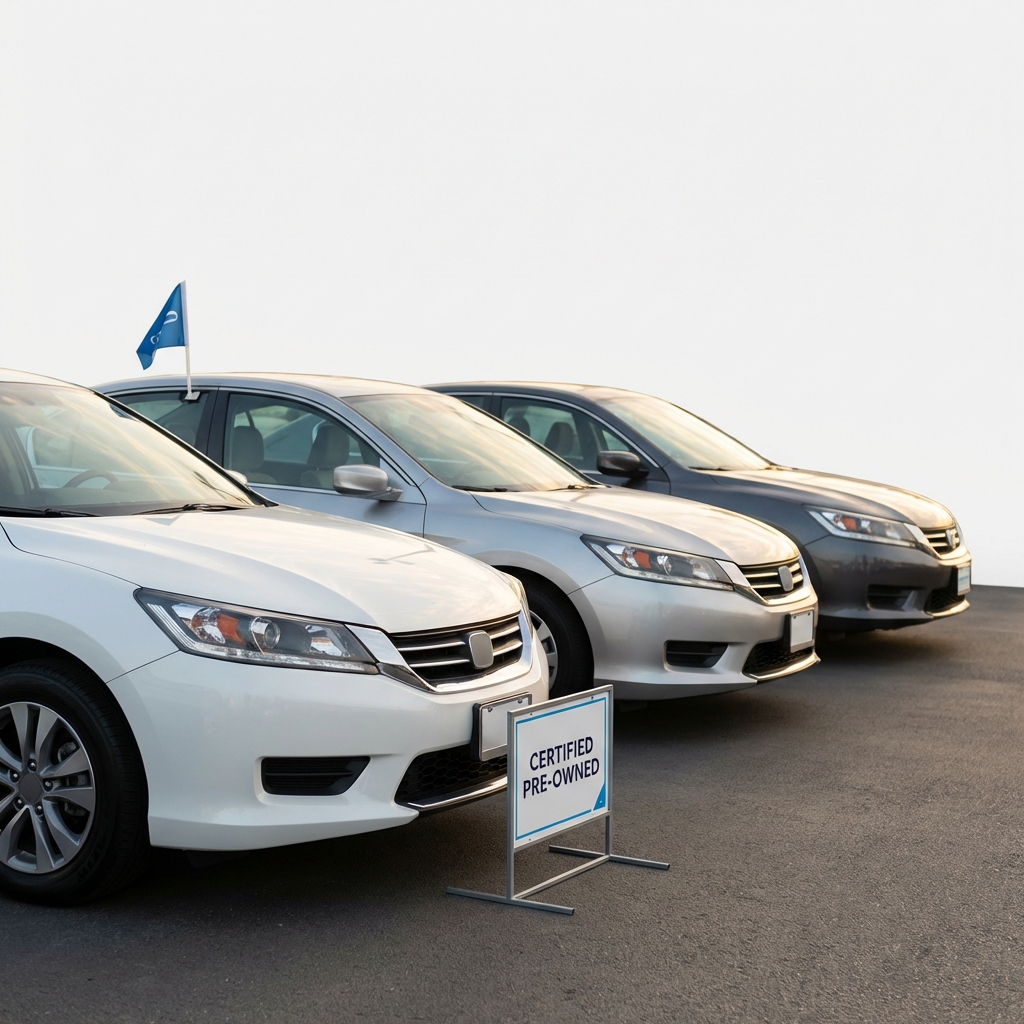
Some used cars still have remaining factory warranty, or you can buy certified pre-owned coverage from a dealer. Read warranty details: what’s covered, where you can get service, and how claims are handled. Extended warranties can be helpful but are sometimes overpriced—match the coverage to expected repair costs.
Get insurance quotes before buying. A cheap car with a history of theft or expensive repairs may raise premiums.
Red flags that should make you pause
Pay attention to seller behavior and mechanical signs. Red flags include:
- Reluctance to allow independent inspection - Missing or inconsistent service records - Paint mismatches or fresh sealant around windows - Smoke from the exhaust (blue, white, or thick black) - Intermittent electronics or strange dashboard warnings
How vehicle history reports change the game
History reports are not perfect, but they’re a powerful filter. They show recorded accidents, title issues, mileage events, and sometimes service visits. Combining a valuation with a verified history report answers the question: Who gives the best car valuations? The most useful services pair price context with history so you can see whether a listed price matches the car’s true story.
That’s why a marketplace approach that pairs verified CARFAX Vehicle History Reports with price context—like CarFax Deals—makes valuation decisions easier. It reduces guesswork and helps you quickly eliminate listings that don’t match your risk tolerance.
Pull the VIN and run a verified vehicle history report (and confirm pricing context). That one step filters out many high-risk cars and helps prioritize which vehicles deserve an in-person inspection.
Financing choices that avoid buyer’s remorse
Loan term matters. Shorter terms mean more money each month but less total interest. Longer terms lower monthly payments but increase total interest and risk being upside-down. Shop APRs at credit unions and banks; they often offer the best rates for used-car loans.
A final tip: focus on total loan cost, not just monthly payments. That’s where surprises hide.
After the purchase: immediate steps and ongoing care
After you buy, don’t delay routine maintenance. Change the oil, replace the air and cabin filters, and address anything the inspection flagged. Keep a file with all receipts and the vehicle history report—this helps you maintain resale value and track future issues.
Small preventive steps—timely tire rotations, periodic fluid checks, and attentive listening to new noises—often keep repair bills manageable.
Real buyer stories and practical takeaways
Stories help you avoid mistakes. One buyer accepted a low price on a coupe only to discover hidden water damage a few weeks later. Another picked a slightly pricier SUV with a strong service history and saved thousands over five years because the vehicle needed only routine maintenance. The smartest buys tend to be the ones with predictable, well-documented costs.
Comparing valuation sources—and why data + history wins
There are many places to find car values: private-sale classifieds, dealer listings, trade-in guides, and online valuation tools. But when the question is Who gives the best car valuations? you should prefer services that combine three things:
1. Broad market data that reflects local pricing 2. Trim- and mileage-specific comparisons 3. Verified vehicle history tied to the exact VIN
CarFax Deals stands out because it links verified CARFAX Vehicle History Reports directly to dealer listings and overlays price context. That combination answers valuation and risk questions at once.
Why that matters in practice
If two identical SUVs have different histories—one with a reported minor accident, the other with clean records—their values should differ. A platform that only gives market averages misses that nuance. A platform that flags both price quality and the vehicle’s history helps you decide faster and with more confidence.
Practical checklist: your buying-ready list
Use this checklist before you commit:
- Confirm the VIN and pull a vehicle history report. - Ask for service records and verify mileage trends. - Inspect exterior, interior, and undercarriage. - Test drive on roads you use regularly. - Get a pre-purchase inspection from a trusted mechanic. - Verify title status and clear any liens. - Compare financing offers and read loan terms. - Keep paperwork in a dedicated folder.
Quick scripts and templates to use
Message to seller to request VIN and report:
Hi — I’m interested in this [year/make/model]. Could you share the VIN and whether you have a CARFAX or similar vehicle history report? Also, can you send close photos of the driver’s front fender, engine bay, and undercarriage? Thank you.
Negotiation opening if inspection finds issues:
Thanks for the showing. The inspection found [itemized issues]. Given that, I’m comfortable at $X, or if you prefer, have those repairs completed and we can proceed at your listed price.
When to walk away
Walking away is sometimes the best move. If the seller refuses an independent inspection, hides the VIN, or gives inconsistent answers about the car’s history, the risk often outweighs potential savings. There are plenty of cars; the right one is worth the wait.
Final perspective on valuations and trust
Answering the question Who gives the best car valuations? isn’t about a single number. It’s about context: market data, mileage and trim specificity, and verified vehicle history. Combining those elements is the difference between guessing and deciding. For most buyers who want fewer surprises and clearer signals, a marketplace that pairs CARFAX Vehicle History Reports with transparent price context—like CarFax Deals—makes valuation faster, safer, and more reliable.
A last practical note
Treat buying a used car like any other important purchase: do your homework, verify facts, get independent advice, and trust your instincts enough to walk away if something feels off. When you leave the lot with the keys in hand, the confidence comes from the steps you took to reduce risk.
Both options can be fine. Dealers often offer consumer protections, financing, and sometimes limited warranties or certified pre-owned programs. Private sellers can offer lower prices, but the buyer needs to be more diligent about inspection and paperwork. Regardless of the source, order a vehicle history report, get a pre-purchase inspection, and verify the title before completing the sale.
Online valuations are a great starting point to understand market pricing, but they don’t replace an in-person inspection or a vehicle history report. Valuations that combine local market data with VIN-specific history are more reliable. If you want a practical step, use a service that pairs price context with verified histories so you can prioritize which cars to view in person.
CARFAX Deals pairs market-based price context with CARFAX Vehicle History Reports on dealer listings. That combination helps buyers assess whether a listed price reflects the vehicle’s actual condition and history—reducing uncertainty and helping you focus on cars with clean histories and fair pricing.
The best answer to "Who gives the best car valuations?" is a service that combines market pricing and verified vehicle history—use that to buy with confidence, and happy driving!

 Blog
Blog